
Answer Capsule
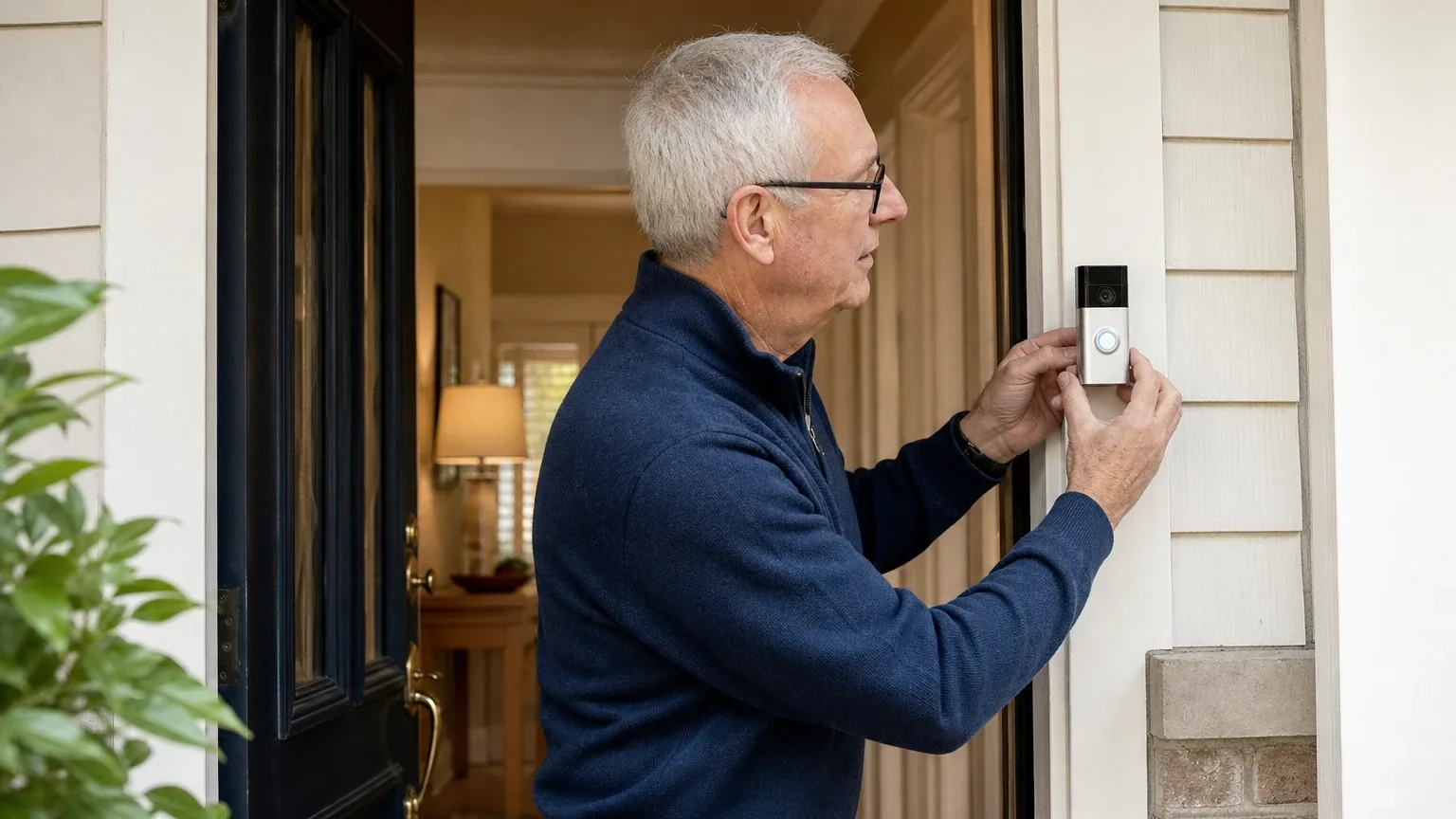
Ring is a good, though not universally strong, fit for DIY Senior-Friendly Security Setup. All seven AI platforms that named Ring during the ranking stage placed it in their recommendations, and every one rated its fit as "good." Its strongest advantage is a genuinely simple, app-guided self-installation with a physical keypad, optional no-contract professional monitoring, and relatively low upfront cost. Its main limitation is the absence of verified senior-specific accessibility testing, combined with a smartphone-app dependency, uncertain emergency dispatch timing, and recurring subscription costs for professional monitoring. Buyers who need guaranteed response times, wearable fall detection, or fully app-free operation should look elsewhere.
Research Snapshot
| Field | Detail |
|---|---|
| Platform mentions in ranking stage | 7 of 7 configured platforms (anthropic, deepseek, google, grok, kimi, openai, perplexity) |
| Share of included platform responses | 100% |
| Average listed rank | 2.29 |
| Best listed rank | 2 |
| Relevant product/model/plan | Ring Alarm (2nd Gen) 5-Piece or 8-Piece Kit with Ring Protect Pro |
| Overall use-case fit | Good (all seven platforms rated "good") |
| Research date | 2026-11-10 |
What Changed Since September 2026
Ring moved up from No. 3 to No. 2, and platform mentions increased from 6 to 7. The November 2026 review keeps Ring as a good fit for DIY senior-friendly security setup, but it sharpens the evidence a buyer needs. The recommended setup still centers on a Ring Alarm second-generation kit with optional professional monitoring, and its core strengths and limitations carry forward. Pricing now newly reports a $199.99 per year monitoring option, while the earlier $199.99/year figure is no longer repeated. Dispatch evidence is more specific: monitoring-center response was measured at 45 seconds to 1 minute, within a 30 to 60 second industry range, though Ring still publishes no guaranteed time. App dependence and unverified senior-specific accessibility remain the main cautions. Differences between the two editions reflect what each article reports; they do not by themselves prove that the product, service, or price changed.
The September 2026 review preserves the earlier article for reference.
Why Ring Qualified for This Study
Questions This Section Answers
- How many AI platforms named Ring as a DIY senior-friendly security option in the 2026 ranking stage?
- Did any AI platform rank Ring outside its top recommendations for senior-friendly DIY security?
Ring qualified because every platform in this study named it during ranking discovery. All seven configured platforms — anthropic, deepseek, google, grok, kimi, openai, and perplexity — included Ring in their senior-friendly DIY security recommendations, giving it a 100% mention share [1]. No platform omitted it.
Its listed ranks clustered tightly: five platforms placed it second (anthropic, deepseek, kimi, openai, perplexity), and two placed it third (google, grok). That produced an average rank of 2.29 and a best rank of 2. No platform ranked it first, and none ranked it lower than third.
The platforms converged on the same product: the Ring Alarm (2nd Gen) 5-Piece or 8-Piece Kit paired with the Ring Protect Pro plan for optional professional monitoring. This consistency in both inclusion and product recommendation is why Ring anchors a dedicated fit review within the broader DIY Senior-Friendly Security Setup comparison.
The Product, Model, Plan, or Service Most Relevant to DIY Senior-Friendly Security Setup
Questions This Section Answers
- Which Ring Alarm kit and plan should a senior or caregiver buy for a simple self-installed home security setup?
- Does the Ring Alarm 5-piece kit include enough sensors for a small senior household, or is the 8-piece kit necessary?
The most relevant configuration is the Ring Alarm (2nd Gen) 5-Piece Kit for smaller homes and the 8-Piece Kit when more entry points need coverage, paired with Ring Protect Pro for optional professional monitoring [4].
The 5-Piece 2nd Generation kit includes the Base Station, keypad, one contact sensor, one motion detector, and a range extender [4]. The 8-Piece kit adds more contact and motion coverage — independent pricing sources describe it as the base station, keypad, four contact sensors, a motion sensor, and a range extender (anthropic:12-3). One platform's product listing also describes an 8-piece bundle that includes an Indoor Cam with a manual privacy cover (kimi:ring-product-page).
Ring Alarm Pro is a separate variant that adds a built-in eero Wi-Fi 6 router but requires setup through both the Ring and eero apps, which introduces additional networking complexity [5]. For a senior-focused setup, the standard Ring Alarm is the simpler starting point.
What the AI Platforms Agreed About
Questions This Section Answers
- Do the AI platforms agree that Ring Alarm is easy enough for a senior or caregiver to self-install?
- Is Ring's lack of a long-term monitoring contract a consistent finding across the AI platforms?
The platforms agreed most strongly on setup simplicity and contract flexibility. On installation, independent reviews cited across platforms describe app-guided, step-by-step setup that walks users through pairing each sensor [6]. Reported completion times ranged from roughly 20 to 45 minutes, with several testers finishing in about 30 minutes (anthropic:1-7, anthropic:4-8, anthropic:4-10, anthropic:31-4). One platform summarized it as the easiest whole-home alarm to install yourself, with sensors stuck in place and scanned into the app (grok:0).
On contracts, the platforms consistently reported no long-term commitment for monitoring plans, with month-to-month or annual billing and cancellation flexibility (anthropic:10-13, anthropic:10-14, google:cit_forbes_pricing, grok:10). Ring's own terms state that monthly and annual subscription plans continue until canceled and that subscription fees are generally non-refundable (official:C3).
On monitoring, the platforms agreed that professional monitoring is optional and tied to a paid plan, while basic self-monitoring works without one [7]. They also agreed the system supports both a physical keypad and app control, with Home, Away, and Disarmed modes [10].
Where the AI Platforms Disagreed or Were Uncertain
Questions This Section Answers
- Do the AI platforms agree on what Ring Protect Pro costs per month in 2026?
- Is Ring's emergency dispatch speed for seniors clearly established across the AI platforms?
Pricing was the clearest conflict. Most platforms cited Ring Protect Pro at $19.99 per month or $199.99 per year [11], and Ring's own plans page lists Ring Pro at $19.99/mo or $199.99/yr plus applicable tax (official:C2). But one independent source documented a price increase effective February 1, 2026, raising the Pro tier from $20 to $24 per month and from $200 to $239.99 per year (anthropic:17-3, anthropic:17-7). The platforms did not resolve this. Buyers should verify the current price at checkout.
Dispatch speed was reported inconsistently. One independent test measured monitoring-center response at 45 seconds to 1 minute, within the industry average of 30 to 60 seconds (anthropic:29-2, anthropic:29-9). Another source cited a 30-second average (anthropic:30-4). Ring itself publishes no guaranteed dispatch time [13]. One platform noted that Ring sends unverified alarm signals, which some police departments deprioritize compared with verified dispatch (anthropic:35-1, anthropic:35-2).
Senior-specific usability was uncertain across the board. One reviewer found the keypad arming and disarming confusing and switched to the app (anthropic:40-5, anthropic:40-6), while another called the minimalist keypad ideal for Seniors uncomfortable with touchscreens (anthropic:38-5). No platform supplied dedicated accessibility testing.
Plan naming also shifted. References to Ring Protect Pro, Ring Home, Protect Plus, and Home Standard describe predecessor or renamed offerings, and the platforms used several names for what appears to be the same monitoring tier [15].
Use-Case-Specific Features and Capabilities
Questions This Section Answers
- Does the Ring Alarm keypad give a senior a usable way to arm and disarm without a smartphone?
- How much sensor range does Ring Alarm provide in a larger or older home?
Ring's senior-relevant strengths are the physical keypad, app control, and expandable sensor coverage. The keypad includes one-touch emergency buttons (anthropic:5-7), and one platform reported that the panic buttons require a three-second hold to activate (google:cit_gadgetping_2026) — a detail worth knowing for anyone with limited dexterity. The keypad's minimalist design was described as user-friendly for seniors uncomfortable with touchscreens (anthropic:38-5), though another reviewer found status confirmation unclear until the alarm sounded (anthropic:40-5).
The app is widely praised. Independent testers called it intuitive and user-friendly, with a single interface managing alarms, cameras, and doorbells (anthropic:20-16, anthropic:23-11, anthropic:25-12). One senior-focused source noted large text options and optional Alexa voice control (anthropic:44-2, anthropic:44-10). Alexa voice arming lets a senior arm the system without walking to the keypad (anthropic:45-2), though one platform reported voice arming requires a subscription (kimi:circuitandchime-seniors-2026).
On range, Ring states Z-Wave communication can reach up to 250 feet between the base station and a device, with performance varying by walls, interference, and layout [16]. The included range extender is placed between the base station and distant devices and can support devices up to 76 metres away under stated conditions [17]. One independent review cautioned that Z-Wave performs more weakly than 433MHz systems through metal-lath plaster common in older homes (anthropic:43-4).
Backup power is limited. The base station provides roughly 24 hours of battery backup, and extended outages can interrupt monitoring (anthropic:35-5, anthropic:35-6, kimi:ring-product-page).
Pricing, Fees, Contracts, and Ongoing Costs
Questions This Section Answers
- What does a Ring Alarm kit plus Ring Protect Pro cost a senior household in the first year?
- Can a caregiver cancel Ring Protect Pro without an early termination fee if the senior stops using it?
Ring's upfront hardware cost is low, but professional monitoring adds a recurring fee. As displayed on Ring's U.S. site during research, the 5-Piece Kit was $199.99 and the 8-Piece Kit was $249.99 before tax [18]. One platform listed the Alarm Pro 8-piece version at $299.99 (anthropic:12-4).
Ring Protect Pro was listed at $19.99 per month or $199.99 per year, before tax, and includes professional monitoring [19]. The unresolved February 2026 increase to $24 per month appears in one independent source (anthropic:17-7). A rough first-year estimate for the 5-Piece Kit plus a year of Pro at the lower listed price is about $400 before tax, permits, and add-ons — but buyers should confirm current pricing.
Additional costs include local alarm permits and possible false-alarm fees [21], optional professional installation starting at $129.99 per device billed separately (official:C1), and extra sensors or cameras [18]. Plans auto-renew until canceled, cancellation generally ends service at the billing-period end, fees are generally non-refundable, and stored recordings are lost unless downloaded [23]. No multiyear commitment was identified (anthropic:10-13, google:cit_forbes_pricing).
Best Suited For
Questions This Section Answers
- Is Ring Alarm a good choice for a senior who already uses Alexa or Ring cameras?
- Is Ring Alarm a good fit for a renter who wants no-contract monitoring?
Ring suits older adults and caregivers who are comfortable with a smartphone app and keypad, want wireless low-complexity installation, and prefer optional monitoring without a multiyear contract [25]. It fits renters and homeowners avoiding professional installation fees, and households already using Ring doorbells or Alexa devices, where the ecosystem advantage is strongest (anthropic:42-7, anthropic:41-3). Senior-focused reviews rated it well for camera-first households and voice control (anthropic:42-4, anthropic:45-5).
Probably Not Best Suited For
Questions This Section Answers
- Is Ring Alarm a poor fit for a senior who cannot or will not use a smartphone app?
- Is Ring Alarm unsuitable for a household that needs guaranteed fast emergency dispatch?
Ring is a weaker fit for buyers requiring documented emergency-dispatch response times, users who find apps and subscription settings difficult, and large or structurally difficult homes where wireless range cannot be confirmed in advance [26]. It is also weaker for seniors without smartphones who prefer keypad-only control, households committed to Google Home or non-Amazon ecosystems, and anyone needing wearable fall detection or a dedicated medical alert [27].
When Another Option May Be Better
Questions This Section Answers
- When would a senior be better off with a professionally installed system than Ring Alarm?
- When is a dedicated medical alert device a better choice than Ring Alarm for a senior living alone?
A professionally installed or managed system may be better when the senior or caregiver cannot reliably handle Wi-Fi, app accounts, sensor placement, or troubleshooting [28]. A dedicated medical alert provider with a wearable pendant or fall detection is better when personal emergency response matters more than intrusion protection [29]. Buyers wanting faster dispatch, stronger Google Home integration, or longer outage resilience may prefer alternatives such as Frontpoint, SimpliSafe, or traditional systems (anthropic:1-3, anthropic:28-13, anthropic:35-6). For a wider field of options, see the home safety category directory.
Questions to Verify Before Buying
Questions This Section Answers
- What should a caregiver confirm about Ring Protect Pro pricing and local permit fees before buying?
- How can a buyer check whether Ring Alarm sensors will work through the walls of a specific home?
Before buying, confirm the current Ring Protect Pro price at the buyer's address, since sources conflict between $19.99 and $24 per month (anthropic:17-7, official:C2). Confirm whether the local jurisdiction requires an alarm permit or charges false-alarm fees [30]. Test whether the base station and sensors maintain reliable connections through the home's walls and floors, especially in older homes with metal-lath plaster (anthropic:43-4). Decide whether the senior can comfortably read and operate the keypad and app, or whether a caregiver should be the primary account administrator [32]. Confirm what happens during internet, power, or cellular-backup failure (anthropic:35-6), and which recordings and features remain if Pro is canceled [33].
Final AI Consensus Verdict
Ring earns a good fit rating for DIY Senior-Friendly Security Setup from all seven platforms that named it, with an average rank of 2.29 and a best rank of 2. The consensus strongest reason to choose it is simple, app-guided self-installation with a physical keypad, optional no-contract monitoring, and low upfront cost. The consensus main limitation is the absence of verified senior-specific accessibility evidence, plus app dependency, uncertain dispatch timing, and recurring subscription costs. It is a sound choice for app-comfortable seniors and caregivers in the Amazon ecosystem, and a weaker one for buyers needing guaranteed response times or wearable medical alerts.
How This Review Was Produced
This review synthesizes fit-research responses from seven AI platforms — anthropic, deepseek, google, grok, kimi, openai, and perplexity — each of which evaluated Ring for the DIY Senior-Friendly Security Setup use case. Ring was included because it was named by all seven platforms during ranking discovery. Platform-reported citations were preserved as supplied; company-owned sources are distinguished from independent reviews in the Sources section. No personal testing was performed.
Methodology Limitations
Platform-reported research dates differ from the authoritative run date of 2026-11-10; deepseek reported 2026-06-15, and its search was disabled, so its claims are platform-reported rather than freshly retrieved. All included platforms evaluated fit, but the mention count reflects only platforms that named Ring during ranking. The supplied URLs were collected from platform responses and were not independently validated. Citations are platform-reported evidence, not independently verified facts. Pricing, plan names, and capabilities conflict across sources and were not resolved by guessing. AI-platform agreement does not prove product quality, and no platform supplied dedicated senior-accessibility testing or a guaranteed dispatch-time outcome.
Sources
Company-Owned Sources
- How to Improve Home Security for Seniors: https://blog.ring.com/home-security/how-to-improve-home-security-for-seniors/
- Install and use your Ring Alarm Range Extender: https://partners.ring.com/gb/en/support/articles/e48os/Installing-and-using-your-Alarm-Range-Extender
- Ring Alarm (2nd Gen) FAQ: https://ring.com/gb/en/support/articles/20hi6/Ring-Alarm-Gen-2-FAQ
- Ring Alarm (2nd Generation) Installation Guide: https://ring.com/gb/en/support/articles/v2560/Ring-Alarm-2nd-Gen-Installation-Guide
- Ring Protect - Subscription Plans for Home Security: https://ring.com/plans
- Ring Alarm System: https://ring.com/products/alarm-security-system
- 5-Piece Alarm Security Kit | Home Security System | Ring: https://ring.com/products/security-system-alarm-5
- 8-Piece Alarm Security Kit + Indoor Cam | Smart Home Security | Ring: https://ring.com/products/security-system-indoor-cam-alarm-8
- Professional Monitoring – Ring Alarm Emergency Support: https://ring.com/professional-monitoring
- Ring Protect Plans: https://ring.com/protect-plans
- Canceling your Ring plan: https://ring.com/support/articles/468y0/cancel-ring-plan
- Arming and disarming Ring Alarm: https://ring.com/support/articles/8fscc/Arming-Disarming-and-Setting-Modes-on-your-Ring-Alarm
- Ring Alarm Pro FAQs: https://ring.com/support/articles/dej47/Ring-Alarm-Pro-FAQs
- Technical Specifications for Ring Alarm Devices: https://ring.com/support/articles/x9gba/Technical-Specifications-for-Ring-Alarm-Devices
- Ring Alarm (2nd Gen: https://ring.com/support/products/alarm/ring-alarm-gen-2?page=1
- Ring Alarm (2nd Gen) Installation Guide: https://support.ring.com/hc/en-us/articles/360042055012-Ring-Alarm-2nd-Gen-Installation-Guide
- Official pricing and terms source: https://ring.com
- Official pricing and terms source: https://ring.com/terms
Additional AI research evidence33 records
- AI research evidence record openai:c1
- AI research evidence record deepseek:c1
- AI research evidence record perplexity:c1
- AI research evidence record openai:c1
- AI research evidence record openai:c9
- AI research evidence record openai:c2
- AI research evidence record openai:c5
- AI research evidence record perplexity:c3
- AI research evidence record deepseek:c2
- AI research evidence record openai:c4
- AI research evidence record openai:c6
- AI research evidence record perplexity:c4
- AI research evidence record openai:c5
- AI research evidence record deepseek:c2
- AI research evidence record openai:c1
- AI research evidence record openai:c7
- AI research evidence record openai:c8
- AI research evidence record openai:c1
- AI research evidence record openai:c6
- AI research evidence record perplexity:c4
- AI research evidence record openai:c5
- AI research evidence record perplexity:c3
- AI research evidence record openai:c10
- AI research evidence record openai:c11
- AI research evidence record openai:c1
- AI research evidence record openai:c1
- AI research evidence record deepseek:c1
- AI research evidence record openai:c1
- AI research evidence record deepseek:c1
- AI research evidence record openai:c5
- AI research evidence record perplexity:c3
- AI research evidence record openai:c1
- AI research evidence record openai:c11
Independent Sources
- Best DIY Home Security Systems for Seniors (2026: https://aginginplaceindex.com/home-safety/diy-senior-friendly-security-setup
- Ring camera subscription pricing change 2026: https://cctvinfo.com/blog/ring-camera-subscription-pricing-change-2026
- Best Home Security Systems for Seniors (2026): Simple, No Contract | Circuit & Chime: https://circuitandchime.com/home-security-systems/seniors
- Ring Home Security System Review (2026: https://cybernews.com/best-home-security-systems/ring-review/
- How Much Does Ring Alarm Cost in 2026?: https://gadgetsentinel.com/ring-alarm-cost/
- Ring Alarm Review: https://homebuilding.co.uk/amp/reviews/ring-alarm-review
- Ring Alarm Review 2026: Cheap Hardware, But Read the New Subscription First: https://homeguardreview.com/ring-alarm-review/
- Best Home Security Systems for Seniors 2026: https://homesecurityforseniors.com/
- Ring Alarm Review 2026: Easy Home Security for Seniors: https://livingyourseniorlife.com/ring-alarm/
- Ring Alarm Review — Security System Test (2nd Gen.) - Modern Castle: https://moderncastle.com/home-security/ring-alarm-review/
- Ring Alarm Review for Older Homes: Honest Assessment (2026: https://oldhomesmarts.com/security/ring-alarm-review-older-homes/
- Ring Alarm Review 2026: https://secureliving.com/home-security-systems/ring-review/
- Ring Alarm (2nd Gen) 5-Piece Kit: Review & Specs: https://smarthomecompared.com/alarm-systems/ring-alarm-2nd-gen-5-piece-kit
- Ring vs Professional Security Systems: Which Is Right for Your Home?: https://witnessllc.com/blog/ring-vs-professional-security-systems/
- Ring Alarm (2nd Gen) review: A smart, reliable, and hassle-free way to keep your home safe: https://www.androidpolice.com/ring-alarm-review/
- Best Home Security Systems in 2026: Every Sensor Tested - CNET: https://www.cnet.com/home/security/best-home-security-system/
- How Much Does A Ring Subscription Cost? - Forbes: https://www.forbes.com/home-improvement/home-security/ring-subscription-cost/
- Amazon Ring Alarm 2nd Gen (2026): The DIY Default: https://www.gadgetping.com/amazon-ring-alarm-2nd-gen-2026-review/
- 8 Best Home Security Systems for Seniors (September 2026) Reviews: https://www.kiddofspeed.com/best-home-security-systems-for-seniors/
- The 3 Best Home Security Systems of 2026 | Reviews by Wirecutter: https://www.nytimes.com/wirecutter/reviews/the-best-home-security-system/
- ADT vs Ring Comparison - Which Security System is Best?: https://www.safehome.org/compare/adt-vs-ring/
- Ring Alarm Security System Cost and Pricing - SafeHome.org: https://www.safehome.org/home-security-systems/ring/costs-plans/
- Ring Alarm Security System Cost and Pricing: https://www.safehome.org/security-systems/ring-alarm/
- Our Ring Alarm (2nd Gen) Security System Review: https://www.safehome.org/security-systems/ring-alarm/reviews/
- Ring Alarm Home Security System Review: https://www.safewise.com/home-security-systems/ring/
- Ring Alarm Review 2026: https://www.security.org/home-security-systems/ring-alarm/review/
- The Best Home Security Systems for Seniors 2026: https://www.seniorliving.org/home-security/best/
- Is Ring Alarm's Professional Monitoring Worth It?: https://www.smarthomepoint.com/ring-professional-monitoring/
- Ring Alarm 5 Piece Kit (2nd Generation) review: https://www.techradar.com/reviews/ring-alarm-5-piece-kit-2nd-generation
- Ring Alarm Home Security System Review 2026: Expert Tested: https://www.usnews.com/360-reviews/services/home-security/ring-alarm
Additional AI research evidence33 records
- AI research evidence record openai:c1
- AI research evidence record deepseek:c1
- AI research evidence record perplexity:c1
- AI research evidence record openai:c1
- AI research evidence record openai:c9
- AI research evidence record openai:c2
- AI research evidence record openai:c5
- AI research evidence record perplexity:c3
- AI research evidence record deepseek:c2
- AI research evidence record openai:c4
- AI research evidence record openai:c6
- AI research evidence record perplexity:c4
- AI research evidence record openai:c5
- AI research evidence record deepseek:c2
- AI research evidence record openai:c1
- AI research evidence record openai:c7
- AI research evidence record openai:c8
- AI research evidence record openai:c1
- AI research evidence record openai:c6
- AI research evidence record perplexity:c4
- AI research evidence record openai:c5
- AI research evidence record perplexity:c3
- AI research evidence record openai:c10
- AI research evidence record openai:c11
- AI research evidence record openai:c1
- AI research evidence record openai:c1
- AI research evidence record deepseek:c1
- AI research evidence record openai:c1
- AI research evidence record deepseek:c1
- AI research evidence record openai:c5
- AI research evidence record perplexity:c3
- AI research evidence record openai:c1
- AI research evidence record openai:c11
Verify This Research
Review the study details behind this page or download the public machine-readable verification record.
- Study date
- November 10, 2026
- Platforms analyzed
- 7
- Source records
- 48
- Ranking mentions
- 7 of 7
- Platform share
- 100%
- Final consensus rank
- #2
Research trail and source mix
Configured platforms
openai, anthropic, deepseek, grok, perplexity, kimi, google
Source mix
30 independent · 18 company-owned
Evidence support
46 direct · 2 partial
Important limitation
Use the run research_date as the study date. Platform-reported dates are provenance metadata and do not independently prove freshness.
Source snapshot SHA-256 35d9d3d975217539184e865a7239879a5300fa5d077265a9ff571c1e2d6b7a0b
Archived editions
Browse earlier published research snapshots for this article. The latest edition remains at the current URL.