
Answer Capsule
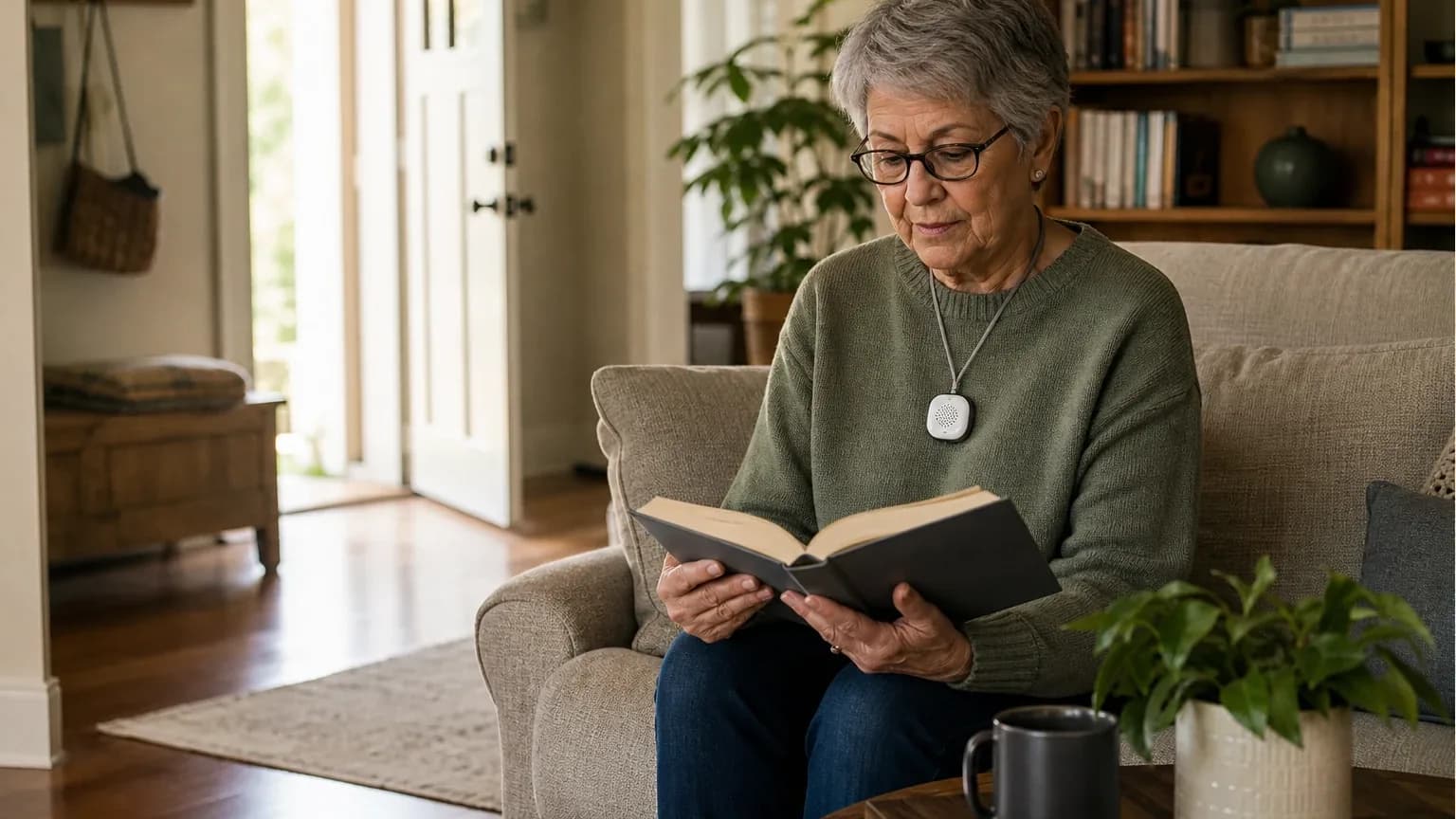
GetSafe is a good fit for Seniors living alone who spend most of their time at home and prefer not to wear a pendant or wristband. Three of seven AI platforms (43%) named GetSafe during the ranking stage, with an average listed rank of 6.67 and a best rank of 5. The strongest reason to consider GetSafe is its voice-activated wall buttons, which let a senior call for help by saying "Call 9-1-1" without wearing any device. The main limitation is that GetSafe is primarily an in-home system: mobile GPS coverage, caregiver app features, and automatic fall detection are optional add-ons with inconsistent public pricing, and some sources report no outdoor GPS capability at all. Buyers should verify current Home + Mobile pricing, fall-detection charges, and spouse coverage in writing before purchasing.
Research Snapshot
| Metric | Value |
|---|---|
| Platform mentions in ranking stage | 3 of 7 platforms (google, openai, perplexity) |
| Share of included platform responses | 3 of 7 (43%) |
| Average listed rank | 6.67 |
| Best listed rank | 5 (openai) |
| Relevant product/model/plan | GetSafe In-Home System (Starter/Standard/Select); GetSafe Home + Mobile protection plan |
| Overall use-case fit | Good (3 platforms); Mixed (3 platforms); Uncertain (1 platform) — 7 platforms analyzed |
| Research date | 2026-07-27 (authoritative run date) |
Why GetSafe Qualified for This Study
Question This Section Answers
- How did GetSafe rank among medical alert systems for seniors living alone across the seven AI platforms, and which platforms rated it good versus mixed?
GetSafe qualified because three AI platforms—google, openai, and perplexity—named it during the ranking stage for best medical alert systems for seniors living alone. The platform fit ratings were split: google, openai, and grok rated GetSafe "good"; anthropic, deepseek, and perplexity rated it "mixed"; kimi could not evaluate it due to missing search results. GetSafe's average listed rank of 6.67 placed it near the bottom of the finalist pool, and its final rank was 10.
The Product, Model, Plan, or Service Most Relevant to Seniors living alone
The most relevant product is the GetSafe In-Home System (Starter, Standard, or Select packages) with a cellular base station, voice-activated wall buttons, and optional fall-detection pendant. Some platforms also referenced the GetSafe Home + Mobile protection plan, which adds a mobile GPS device for use outside the home. The In-Home System is the core offering; the Home + Mobile plan is the extension for seniors who leave the house.
What the AI Platforms Agreed About
Questions This Section Answers
- What do the AI platforms agree GetSafe offers for seniors living alone who won't wear a pendant, including its voice-activated wall buttons and $29.95 monthly monitoring fee?
- Do the platforms agree GetSafe requires no long-term contract and includes a 30-day trial for its in-home medical alert packages?
Voice-activated wall buttons are the standout feature (strong agreement)
All platforms that evaluated GetSafe identified voice-activated wall buttons as its signature strength. The system lets a user trigger an emergency call by saying "Call 9-1-1" twice, without pressing a button or wearing a device [1]. This directly addresses a common problem for seniors living alone: not wearing a pendant when a fall occurs. The wall buttons also include pull cords and standard push buttons, giving multiple ways to request help [2].
Packages are sized by home square footage or bedroom count (strong agreement)
GetSafe packages are designed around home size: Starter for 0-1 bedrooms, Standard for 2-3 bedrooms, and Select for 4-5 bedrooms [4]. Larger packages include more wall buttons for multilevel homes and high-risk areas like bathrooms, kitchens, stairs, and hallways [5].
Cellular connectivity with no landline required (strong agreement)
GetSafe operates over AT&T 4G LTE cellular networks and does not require a landline [5]. This is an advantage for seniors living alone who have dropped landline service. Actual performance depends on cellular signal strength at the residence, which should be checked before purchase [5].
Flat monthly monitoring fee (strong agreement)
Most platforms reported a flat monthly monitoring fee of $29.95 across all packages [1]. Some older or alternative sources cited $24.95 or $27.95, but the $29.95 figure was the most consistent across current reviews [7].
24/7 professional monitoring (strong agreement)
GetSafe states that trained, USA-based dispatchers provide monitoring 24 hours a day, 7 days a week, including holidays [8]. One independent source reports the monitoring center is TMA Five Diamond certified and shared with sister company Bay Alarm Medical [9]. This claim is company-reported and independently repeated but not independently verified in the supplied sources.
No long-term contract (majority agreement)
Multiple platforms reported month-to-month service with no long-term contract requirement [4]. A 30-day risk-free trial is offered [5]. One platform noted that cancellation terms should be verified directly because current company terms were not fully confirmed [12].
Battery life: 5 years for buttons, 32 hours for base station (majority agreement)
GetSafe states that traditional help buttons are waterproof and can provide up to five years of battery life [13]. The base station has a battery backup rated at up to 32 hours during a power outage [15]. One source reported only 12 hours of base-station backup battery [16], creating a factual conflict.
Where the AI Platforms Disagreed or Were Uncertain
Questions This Section Answers
- Do the AI platforms disagree on whether GetSafe offers mobile GPS coverage for seniors living alone, and what must buyers confirm about the Home + Mobile plan?
- What do the platforms disagree about on GetSafe's fall detection cost, spouse coverage, and base station range for in-home medical alert buyers?
Mobile GPS coverage: conflicting reports (major conflict)
This is the most significant disagreement. Some platforms reported that GetSafe offers no mobile GPS or outdoor coverage at all [17]. Others described a GetSafe Mobile Help Button with 4G LTE and GPS available as an add-on device [19]. One platform noted the mobile system may have been discontinued in some 2026 reviews (grok). The current official GetSafe pages reviewed do not clearly publish mobile GPS specifications, battery life, or pricing [22]. Buyers must confirm whether mobile GPS exists, what it costs, and how it works before relying on it.
Monthly monitoring price: $24.95 vs. $27.95 vs. $29.95 (moderate conflict)
The current official pricing page lists $29.95 per month [24]. Independent reviews cite figures ranging from $24.95 to $29.95, likely reflecting different package tiers or time periods [19]. The $29.95 figure should control for new purchases, but buyers should confirm at checkout.
Fall detection: optional add-on with unclear equipment cost (moderate conflict)
All platforms agree that automatic fall detection is not included in the base packages and requires an optional wearable pendant or lanyard [17]. The monthly add-on is consistently reported at $10 per month [24]. However, the one-time equipment charge for the fall-detection pendant is reported inconsistently: $25 [28], $25-$30 [29], or unspecified [20]. The current official pricing page does not clearly state the equipment charge [24].
Spouse coverage: free vs. unclear (moderate conflict)
One independent source reports that GetSafe allows free registration of a spouse's information on the account and lets users add unlimited extra wall buttons without raising the base monthly rate [30]. Another source reports a second-user fee exists but does not specify the cost [32]. The official pricing pages reviewed do not clearly explain spouse coverage [24]. For a senior living alone, this matters less, but for adult children comparing options, it is relevant.
Caregiver app: exists but limited (mixed agreement)
Independent sources describe a caregiver tracking app as an optional add-on associated with the mobile GPS device [22]. The app reportedly provides basic functionality like knowing when alert buttons are pressed and low-battery notifications [32]. It does not offer advanced features like live location tracking, geofencing, wellness check-ins, or activity monitoring found in competitors like Aloe Care Health [35]. Current official pages do not clearly document the app's features, supported phones, alerts, or pricing [22].
Base station range: 300 feet vs. 800 feet (minor conflict)
One source reports the base station range is about 300 feet [32], while another reports up to 800 feet from wall buttons [36]. This discrepancy may reflect different measurement conditions or product revisions.
Use-Case-Specific Features and Capabilities
In-home emergency activation (advantage)
GetSafe supports help requests by pressing a button, pulling an integrated cord, or saying "Call 9-1-1" twice through voice-activated wall buttons [37]. The system includes a cellular base console with two-way voice communication [38]. This is the core value proposition for seniors living alone who may not wear a device.
Coverage for seniors living alone (advantage)
The system is designed around home layout, with packages covering approximately 0-1, 2-3, or 4-5 bedrooms [37]. Wall buttons can be placed in high-risk areas like bathrooms, kitchens, stairs, and hallways [37]. This is particularly useful for a senior living alone who may fall in any room.
Cellular connectivity (advantage)
GetSafe uses AT&T 4G LTE and does not require a landline [37]. Actual performance depends on cellular signal at the residence and should be checked before purchase [37].
Automatic fall detection (limitation)
Automatic fall detection is optional rather than included in the listed home packages [37]. GetSafe currently lists an automatic fall-detection button at $10 per month [37]. The fall detection requires wearing a separate pendant or lanyard; it does not work on wall-mounted buttons [40]. This is a limitation for seniors who may forget to wear the device.
Mobile coverage and GPS (unclear)
Independent sources describe an optional mobile GPS help button, but current GetSafe pages reviewed do not clearly publish the device's current specifications, battery life, GPS behavior, or mobile-plan pricing [43]. Some sources state GetSafe offers no mobile GPS at all [40]. Treat the mobile component as unclear until confirmed directly.
Monitoring and response center (advantage)
GetSafe states that trained, USA-based dispatchers provide monitoring 24 hours a day, 7 days a week, including holidays [39]. One independent source reports the monitoring center is TMA Five Diamond certified [47]. The service is intended to connect the user with a live operator who can coordinate help [39].
Caregiver tools (unclear/limitation)
A caregiver tracking app is described by independent coverage as an optional add-on associated with the mobile GPS device [43]. Current official pages reviewed do not clearly document the app's current features, supported phones, alerts, or pricing [43]. Independent comparisons note GetSafe lacks broader caregiver features like activity monitoring or wellness check-ins found in competitors [48].
Battery life and water resistance (advantage with caveats)
GetSafe states that its traditional help buttons are waterproof and can provide up to five years of battery life [49]. The base station has a battery backup rated at up to 32 hours during a power outage [51]. The cited claims do not establish the battery life of every device, especially the base station, fall-detection pendant, or mobile GPS unit [49].
Spouse coverage (unclear)
The reviewed pricing and product pages present packages by home size and do not clearly explain whether one monitoring subscription covers two residents, whether each spouse needs a separate wearable, or whether simultaneous alerts are supported [37]. One independent source reports free spouse registration [52], while another reports a second-user fee [53].
Pricing, Fees, Contracts, and Ongoing Costs
Questions This Section Answers
- What are GetSafe's known costs for seniors living alone, including the $29.95 monthly monitoring fee, $79-$307 equipment packages, and $10 fall detection add-on?
- What contract, cancellation, and equipment-return terms should buyers verify before purchasing a GetSafe medical alert system?
Known costs
| Item | Price | Source |
|---|---|---|
| Monthly monitoring (all packages) | $29.95/month | [54], [55], [56] |
| Starter equipment (0-1 bedroom) | $79 regular; $39.50 during 50% promo | [54], [57] |
| Standard equipment (2-3 bedrooms) | $193 regular; $96.50 during 50% promo | [54], [57] |
| Select equipment (4-5 bedrooms) | $307 regular; $153.50 during 50% promo | [54], [57] |
| Fall detection add-on | $10/month + $25-$30 one-time device fee | [54], [57], [58] |
| Additional standard wall buttons | ~$30-$35 each | [58], [56] |
| Voice-activated wall buttons | ~$79 each | [54], [58] |
| Lockbox | ~$30 | [57], [58] |
| Mobile GPS Help Button | Reported $10-$20/month + ~$79 device fee | [59] |
| Shipping | ~$12 (sometimes waived) | [56] |
Pricing conflicts
The current official pricing page lists $29.95 monthly monitoring, while older independent reviews cite $24.95 or $27.95 [54]. The official page lists a $10 monthly fall-detection add-on, while independent reporting describes an additional equipment charge that is not clearly stated on the current official page [54]. A displayed 50% equipment discount is promotional and may expire or vary by channel [54].
Contract and cancellation terms
GetSafe offers month-to-month service with no long-term contract [57]. A 30-day risk-free trial is offered [54]. The official pricing page states that the main base console must be returned upon cancellation [54]. One independent review reports no cancellation or restocking fee when equipment is returned [62], while another reports no prorated refund if canceled mid-cycle [61]. Whether there is a minimum monitoring commitment, cancellation notice requirement, or restocking fee is not clearly established by the official sources reviewed [54].
Best Suited For
Question This Section Answers
- Which seniors living alone are best suited for GetSafe's voice-activated wall buttons and cellular in-home system, and who should consider it over a pendant-based medical alert?
GetSafe is best suited for:
- Seniors living alone who dislike wearing a pendant or wristband at home [63]. The voice-activated wall buttons provide a wearable-free way to call for help.
- Homes where falls may occur in bathrooms, kitchens, hallways, stairs, or other locations away from a central base station [66]. Wall-button placement supports coverage in these high-risk areas.
- Buyers wanting cellular connectivity without installing a landline [66]. The AT&T 4G LTE system works without landline service.
- Adult children selecting a primarily in-home system with optional mobile coverage [64].
- Buyers who prefer purchasing equipment outright over long-term leasing to potentially lower long-run costs [68].
Probably Not Best Suited For
Question This Section Answers
- Which buyers should avoid GetSafe, such as active seniors needing documented mobile GPS or those wanting fall detection included in the base price?
GetSafe is probably not best suited for:
- Seniors who frequently leave home and need a clearly documented mobile-first system with GPS location services [70]. Some sources report no outdoor GPS at all.
- Buyers who require confirmed GPS location sharing and robust caregiver-app functionality [73]. The caregiver app is basic and optional.
- People seeking automatic fall detection included in the base price [70]. Fall detection requires an optional wearable pendant and an extra monthly fee.
- Buyers who want transparent, consistently published contract and cancellation terms before ordering [76]. Public pricing and terms are inconsistent across sources.
- Buyers prioritizing the lowest possible upfront cost, since equipment must be purchased rather than leased [78].
When Another Option May Be Better
Question This Section Answers
- When should a senior living alone choose a mobile-first medical alert provider instead of GetSafe, and how does GetSafe compare to Aloe Care Health for caregiver app features?
Consider another medical alert provider when:
- The senior regularly walks, shops, drives, or travels alone and needs clearly documented GPS location services. GetSafe's mobile GPS capability is inconsistently reported across sources, and some reviews state it does not exist [80].
- Family members require a caregiver smartphone app for location tracking, wellness check-ins, or daily activity monitoring. GetSafe's caregiver tools are basic compared to competitors like Aloe Care Health [83].
- The buyer wants free upfront equipment with all-inclusive monthly monitoring fees. GetSafe requires an equipment purchase of $79-$307 upfront [85].
- Automatic fall detection is a priority without requiring a wearable device. GetSafe's fall detection requires an optional pendant or lanyard [80].
- Two-person household coverage or spouse pricing is a central requirement and GetSafe cannot confirm it in writing [87].
Questions to Verify Before Buying
- Is the exact Home + Mobile plan currently available, and what are its equipment, activation, monthly, and replacement charges? [88]
- What cellular network does the mobile device use, and is coverage adequate at the senior's home and usual destinations? [88]
- Does the mobile device provide GPS location to the monitoring center only, or also to caregivers through an app? [90]
- What are the mobile device's real-world battery life, charging requirements, water resistance, and range? [92]
- What device and monthly charges apply to automatic fall detection, and what types of falls may not be detected? [88]
- Is the 30-day trial fully refundable, including equipment, shipping, taxes, and return costs? [88]
- Is there a minimum term, required notice, early-cancellation fee, or prorated refund? [88]
- What happens if the base console or an accessory is lost, damaged, or not returned? [88]
- Does one account cover a spouse or second resident, and are separate buttons or fall-detection devices required? [88]
- Can GetSafe document the monitoring center's response process, emergency-contact procedures, and cellular-signal test for the specific address? [96]
Final AI Consensus Verdict
GetSafe is a good, home-oriented fit for a senior living alone who dislikes wearing an alert device and can benefit from voice-activated or strategically placed wall buttons. Three of seven platforms rated it "good," three rated it "mixed," and one could not evaluate it. The strongest consensus is that GetSafe's voice-activated wall buttons solve a real problem: getting help without wearing a pendant.
However, GetSafe is less compelling for seniors who spend substantial time away from home or whose family requires clearly documented GPS and caregiver-app capabilities. The public record on mobile GPS is contradictory—some sources say it does not exist, others describe an add-on device with unclear pricing. Automatic fall detection costs extra and requires wearing a pendant. Spouse coverage and cancellation terms are not transparently published.
Purchase only after confirming the current Home + Mobile pricing, mobile features, fall-detection charges, cancellation terms, and spouse coverage in writing. For a senior living alone who stays home most of the time and resists wearing a device, GetSafe is a reasonable choice. For an active senior who needs on-the-go protection, compare mobile-first alternatives first.
For a broader comparison of top-rated options, see the Seniors living alone consensus index. You can also browse other medical alert systems in our category directory.
How This Review Was Produced
This review was produced by aggregating fit assessments from seven AI platforms—google, openai, perplexity, anthropic, deepseek, grok, and kimi—each of which evaluated GetSafe against the use case "Seniors living alone." The platforms drew on 26 deduplicated sources: 18 independent reviews and 8 company-owned pages. The authoritative research date is 2026-07-27. Platform-reported research dates range from 2025-01-01 (deepseek) to 2026-08-24 (most platforms), which is disclosed as a methodology limitation.
Methodology Limitations
- Platform-reported research dates differ from the authoritative run date. Deepseek's research date is 2025-01-01, while most other platforms report 2026-08-24. This means some pricing and feature information may be stale.
- The supplied URLs were collected from platform responses and were not independently validated by the writer stage.
- Kimi could not evaluate GetSafe because its search results contained no GetSafe-specific information. Its "uncertain" rating reflects missing data, not a negative assessment.
- Platform mentions in the ranking stage (3 of 7) differ from the number of platforms that provided fit assessments (7). All seven platforms evaluated fit, but only google, openai, and perplexity named GetSafe during ranking discovery.
- AI-platform agreement does not prove product quality. The consensus reflects what the platforms reported from their sources, not independent testing.
- Pricing conflicts were not resolved by guessing. Where sources disagreed, the conflict is described and buyers are told what to verify.
- Company-owned claims (e.g., USA-based monitoring, battery life) are labeled as company-reported and may not be independently verified.
Sources
Company-Owned Sources
- Web search results compilation for senior monitoring systems: https://alisesystems.com/home-1
- The Simplyhome System - Simply Home: https://simply-home.com/the-simplyhome-system/
- GetSafe: Medical Alert Systems You Don't Have to Wear: https://www.getsafe.com/
- Customer Support - GetSafe: https://www.getsafe.com/customer-support/
- Medical Alert System Product Overview - GetSafe: https://www.getsafe.com/medical-alert-systems/
- Medical Alert Help Button - GetSafe: https://www.getsafe.com/medical-alert-systems/medical-alert-help-button/
- Life Saving Medical Alert Costs - GetSafe: https://www.getsafe.com/medical-alert-systems/pricing/
- Livindi Solo - Simple Set Up: https://www.livindi.com/pages/solo
Additional AI research evidence97 records
- AI research evidence record google:c1
- AI research evidence record openai:c2
- AI research evidence record grok:c1
- AI research evidence record google:c2
- AI research evidence record openai:c1
- AI research evidence record grok:c4
- AI research evidence record perplexity:c2
- AI research evidence record openai:c4
- AI research evidence record anthropic:c9
- AI research evidence record anthropic:c3
- AI research evidence record deepseek:c1
- AI research evidence record perplexity:c6
- AI research evidence record openai:c7
- AI research evidence record google:c3
- AI research evidence record anthropic:c11
- AI research evidence record deepseek:c2
- AI research evidence record google:c1
- AI research evidence record grok:c2
- AI research evidence record anthropic:c2
- AI research evidence record deepseek:c1
- AI research evidence record perplexity:c3
- AI research evidence record openai:c3
- AI research evidence record openai:c5
- AI research evidence record openai:c1
- AI research evidence record perplexity:c4
- AI research evidence record anthropic:c1
- AI research evidence record grok:c4
- AI research evidence record google:c2
- AI research evidence record anthropic:c4
- AI research evidence record anthropic:c12
- AI research evidence record anthropic:c13
- AI research evidence record deepseek:c2
- AI research evidence record openai:c2
- AI research evidence record openai:c6
- AI research evidence record anthropic:c10
- AI research evidence record grok:c1
- AI research evidence record openai:c1
- AI research evidence record openai:c2
- AI research evidence record openai:c4
- AI research evidence record google:c1
- AI research evidence record anthropic:c1
- AI research evidence record grok:c4
- AI research evidence record openai:c3
- AI research evidence record openai:c5
- AI research evidence record openai:c6
- AI research evidence record grok:c2
- AI research evidence record anthropic:c9
- AI research evidence record anthropic:c10
- AI research evidence record openai:c7
- AI research evidence record google:c3
- AI research evidence record anthropic:c11
- AI research evidence record anthropic:c12
- AI research evidence record deepseek:c2
- AI research evidence record openai:c1
- AI research evidence record google:c1
- AI research evidence record grok:c4
- AI research evidence record google:c2
- AI research evidence record anthropic:c4
- AI research evidence record anthropic:c2
- AI research evidence record deepseek:c1
- AI research evidence record anthropic:c3
- AI research evidence record openai:c5
- AI research evidence record google:c1
- AI research evidence record openai:c2
- AI research evidence record grok:c1
- AI research evidence record openai:c1
- AI research evidence record perplexity:c3
- AI research evidence record anthropic:c2
- AI research evidence record deepseek:c1
- AI research evidence record google:c1
- AI research evidence record openai:c3
- AI research evidence record grok:c2
- AI research evidence record google:c2
- AI research evidence record anthropic:c10
- AI research evidence record anthropic:c1
- AI research evidence record openai:c1
- AI research evidence record perplexity:c6
- AI research evidence record anthropic:c2
- AI research evidence record deepseek:c1
- AI research evidence record google:c1
- AI research evidence record grok:c2
- AI research evidence record anthropic:c1
- AI research evidence record anthropic:c10
- AI research evidence record deepseek:c2
- AI research evidence record google:c2
- AI research evidence record anthropic:c2
- AI research evidence record openai:c1
- AI research evidence record openai:c1
- AI research evidence record google:c1
- AI research evidence record openai:c3
- AI research evidence record anthropic:c2
- AI research evidence record openai:c7
- AI research evidence record deepseek:c2
- AI research evidence record anthropic:c3
- AI research evidence record anthropic:c12
- AI research evidence record openai:c4
- AI research evidence record kimi:c1
Independent Sources
- GetSafe Reviews - BestCompany.com: https://bestcompany.com/medical-alert-systems/company/getsafe
- GetSafe Medical Alert System Review 2026 | U.S. News: https://realestate.usnews.com/home-services/medical-alert-system/getsafe
- GetSafe Medical Alert System Review 2026 - Caring.com: https://www.caring.com/senior-products/best-medical-alert-systems/getsafe
- GetSafe Medical Alert Reviews: Written By Customers: https://www.consumeraffairs.com/medical-alert-systems/getsafe-medical-alert.html
- GetSafe Medical Alert - Consumer Affairs: https://www.consumeraffairs.com/medical-alert-systems/getsafe.html
- GetSafe Medical Alert Review | Rating & Price - Consumers Advocate: https://www.consumersadvocate.org/medical-alerts/c/getsafe-medical-alert-review
- GetSafe Medical Alert Starter Review – Forbes Health: https://www.forbes.com/health/medical-alert-systems/getsafe-medical-alert-starter-review/
- GetSafe Medical Alert Review: https://www.forbes.com/health/medical-alert-systems/getsafe-review/
- How Much Do Medical Alert Systems Cost?: https://www.forbes.com/health/medical-alert-systems/medical-alert-systems-cost/
- GetSafe Medical Alert System Review (2025: https://www.medicalalertadvice.com/getsafe-medical-alert-system-review/
- GetSafe Reviews | Complaints, Cost & Pricing Info: https://www.medicalalertadvice.com/reviews/getsafe/
- Getsafe Medical Alert Systems Review 2026 - The National Council on Aging (NCOA: https://www.ncoa.org/adviser/medical-alert-systems/getsafe-review/
- GetSafe Medical Alert Review 2026: Tested by Experts: https://www.ncoa.org/product-resources/medical-alert-systems/getsafe-review/
- GetSafe Medical Alert Reviews With Costs | Retirement Living: https://www.retirementliving.com/reviews/getsafe-medical-alert
- GetSafe vs. Aloe Care Health | SafeWise: https://www.safewise.com/getsafe-vs-aloe-care-health/
- GetSafe vs. Bay Alarm Medical | SafeWise: https://www.safewise.com/getsafe-vs-bay-alarm-medical/
- GetSafe Medical Alert Systems Review (2025: https://www.safewise.com/medical-alert-systems/getsafe-review/
- GetSafe Medical Alert Review: https://www.safewise.com/senior-safety/medical-alerts/getsafe/
Additional AI research evidence97 records
- AI research evidence record google:c1
- AI research evidence record openai:c2
- AI research evidence record grok:c1
- AI research evidence record google:c2
- AI research evidence record openai:c1
- AI research evidence record grok:c4
- AI research evidence record perplexity:c2
- AI research evidence record openai:c4
- AI research evidence record anthropic:c9
- AI research evidence record anthropic:c3
- AI research evidence record deepseek:c1
- AI research evidence record perplexity:c6
- AI research evidence record openai:c7
- AI research evidence record google:c3
- AI research evidence record anthropic:c11
- AI research evidence record deepseek:c2
- AI research evidence record google:c1
- AI research evidence record grok:c2
- AI research evidence record anthropic:c2
- AI research evidence record deepseek:c1
- AI research evidence record perplexity:c3
- AI research evidence record openai:c3
- AI research evidence record openai:c5
- AI research evidence record openai:c1
- AI research evidence record perplexity:c4
- AI research evidence record anthropic:c1
- AI research evidence record grok:c4
- AI research evidence record google:c2
- AI research evidence record anthropic:c4
- AI research evidence record anthropic:c12
- AI research evidence record anthropic:c13
- AI research evidence record deepseek:c2
- AI research evidence record openai:c2
- AI research evidence record openai:c6
- AI research evidence record anthropic:c10
- AI research evidence record grok:c1
- AI research evidence record openai:c1
- AI research evidence record openai:c2
- AI research evidence record openai:c4
- AI research evidence record google:c1
- AI research evidence record anthropic:c1
- AI research evidence record grok:c4
- AI research evidence record openai:c3
- AI research evidence record openai:c5
- AI research evidence record openai:c6
- AI research evidence record grok:c2
- AI research evidence record anthropic:c9
- AI research evidence record anthropic:c10
- AI research evidence record openai:c7
- AI research evidence record google:c3
- AI research evidence record anthropic:c11
- AI research evidence record anthropic:c12
- AI research evidence record deepseek:c2
- AI research evidence record openai:c1
- AI research evidence record google:c1
- AI research evidence record grok:c4
- AI research evidence record google:c2
- AI research evidence record anthropic:c4
- AI research evidence record anthropic:c2
- AI research evidence record deepseek:c1
- AI research evidence record anthropic:c3
- AI research evidence record openai:c5
- AI research evidence record google:c1
- AI research evidence record openai:c2
- AI research evidence record grok:c1
- AI research evidence record openai:c1
- AI research evidence record perplexity:c3
- AI research evidence record anthropic:c2
- AI research evidence record deepseek:c1
- AI research evidence record google:c1
- AI research evidence record openai:c3
- AI research evidence record grok:c2
- AI research evidence record google:c2
- AI research evidence record anthropic:c10
- AI research evidence record anthropic:c1
- AI research evidence record openai:c1
- AI research evidence record perplexity:c6
- AI research evidence record anthropic:c2
- AI research evidence record deepseek:c1
- AI research evidence record google:c1
- AI research evidence record grok:c2
- AI research evidence record anthropic:c1
- AI research evidence record anthropic:c10
- AI research evidence record deepseek:c2
- AI research evidence record google:c2
- AI research evidence record anthropic:c2
- AI research evidence record openai:c1
- AI research evidence record openai:c1
- AI research evidence record google:c1
- AI research evidence record openai:c3
- AI research evidence record anthropic:c2
- AI research evidence record openai:c7
- AI research evidence record deepseek:c2
- AI research evidence record anthropic:c3
- AI research evidence record anthropic:c12
- AI research evidence record openai:c4
- AI research evidence record kimi:c1
Verify This Research
Review the study details behind this page or download the public machine-readable verification record.
- Study date
- July 27, 2026
- Platforms analyzed
- 7
- Source records
- 26
- Ranking mentions
- 3 of 7
- Platform share
- 43%
- Final consensus rank
- #10
Research trail and source mix
Configured platforms
openai, google, anthropic, deepseek, grok, perplexity, kimi
Source mix
18 independent · 8 company-owned
Evidence support
21 direct · 4 partial
Important limitation
Use the run research_date as the study date. Platform-reported dates are provenance metadata and do not independently prove freshness.
Source snapshot SHA-256 204d55a22ac61e400d190e1a7db96cf75de2f3a877644f0dfbceb0ef9ae192c5