
Answer Capsule
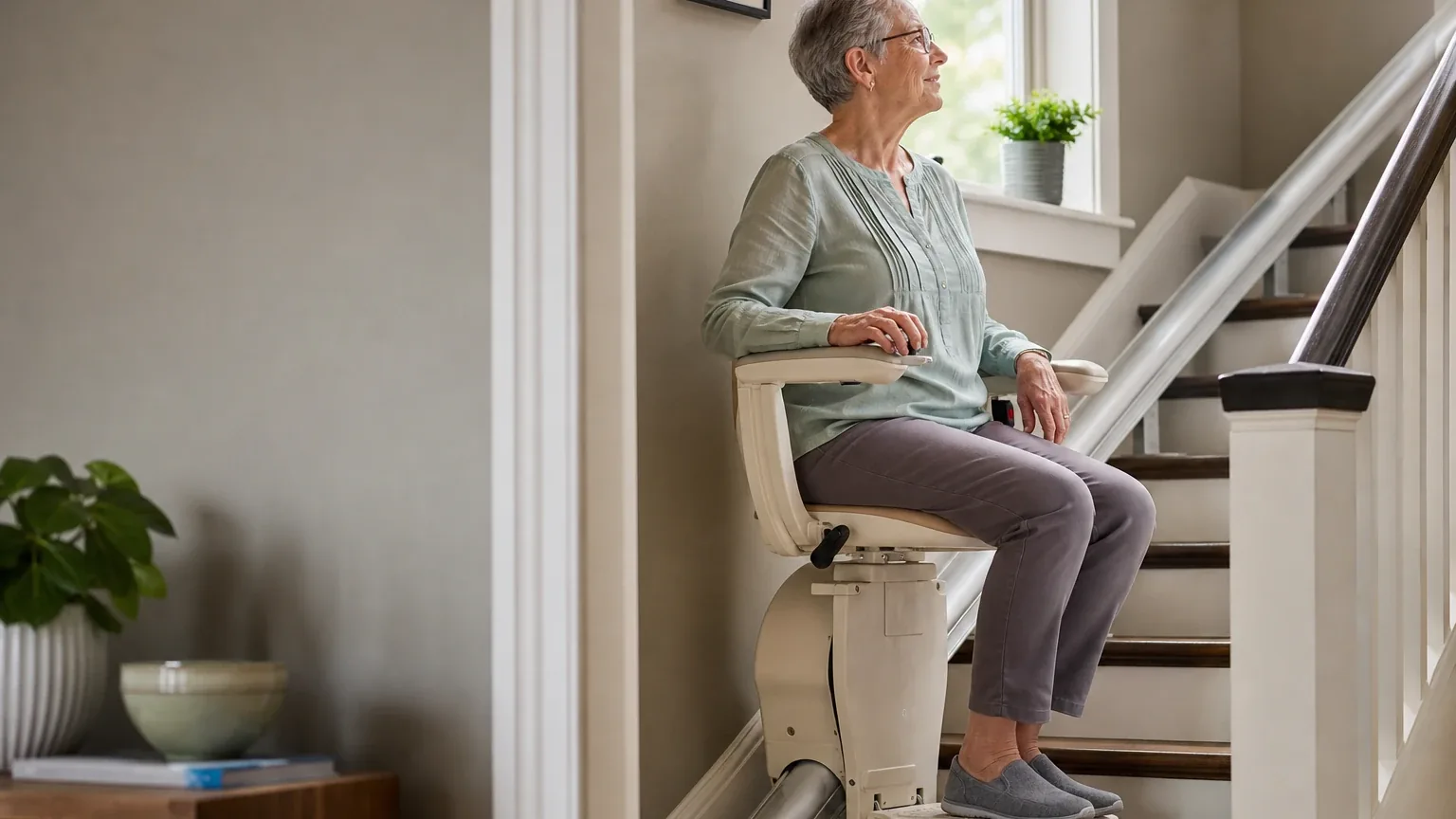
Handicare is a good fit for seniors with arthritis when configured with the right options, but the specific Handicare 2000 Series model identity is uncertain. Two of six platforms named Handicare in the ranking stage (33% share), with an average listed rank of 2.5 and a best rank of 2. The strongest reason to consider Handicare is its occupational-therapist-designed ergonomic toggle controls and the Freecurve's optional Active Seat, which assists sit-to-stand transfers for users with hip, knee, or back arthritis. The main limitation is that the most arthritis-relevant features—powered swivel, powered footrest, and Active Seat—are optional upgrades, and the Handicare 2000 curved model appears to be discontinued, with no verified current U.S. pricing or consistent warranty terms across sources.
Research Snapshot
| Metric | Value |
|---|---|
| Platform mentions in ranking stage | 2 of 6 platforms (anthropic, deepseek) |
| Share of included platform responses | 33.3% |
| Average listed rank | 2.5 |
| Best listed rank | 2 |
| Relevant product/model/plan | Handicare 2000 (straight/curved); Handicare 950/950+ (straight); Freecurve (curved) |
| Overall use-case fit | Good (2 platforms), Strong (2), Mixed (1), Uncertain (1) |
| Research date | 2026-08-12 |
Why Handicare 2000 Series Qualified for This Study
Handicare qualified because two platforms (anthropic and deepseek) named the Handicare 2000 Series during the ranking discovery stage for arthritis-friendly controls and seating. The entity was evaluated across six platforms total, with fit ratings ranging from "strong" (google, grok) to "good" (openai, anthropic), "mixed" (deepseek), and "uncertain" (perplexity). The relevant products span the Handicare 2000 straight and curved models, the 950/950+ straight models, and the Freecurve curved model [1].
The Product, Model, Plan, or Service Most Relevant to Arthritis-Friendly Controls & Seating
The most relevant Handicare products for this use case are the Handicare 950/950+ straight stairlifts and the Handicare Freecurve curved stairlift. The Handicare 2000 curved double-rail model appears to be discontinued, with one source stating it has been "officially discontinued and superseded by newer models like the Freecurve or the Handicare 4000" [4]. The 950 and 950+ are the straight-staircase models most frequently cited for arthritis-friendly features, while the Freecurve offers the strongest seating options including the optional Active Seat [5].
What the AI Platforms Agreed About
Ergonomic toggle controls designed with occupational therapists. Four platforms (anthropic, google, grok, openai) cited evidence that Handicare's toggle controls were developed in collaboration with occupational therapists specifically for users with arthritis or rheumatism [7]. The 950 user manual describes joystick-based travel control, and Freecurve materials describe an easy-to-use joystick positioned on either arm [12].
Powered swivel and footrest options reduce manual effort. Multiple platforms agreed that base models include manual swivel seats and manual folding footrests, but powered upgrades are available. The powered swivel is activated by holding the toggle control toward the landing [14], and the powered footrest folds automatically with a button press [16].
Two remote controls are standard. Three platforms noted that Handicare stairlifts come standard with two handheld remote controls, allowing users to call the lift from either end without sitting on it [18].
The Freecurve Active Seat assists sit-to-stand transfers. The optional Active Seat supports the user when sitting down or standing up using a lever, reducing stress on arthritic knees and hips [19]. This feature is directly relevant to hip, knee, and back arthritis.
Soft-start and soft-stop technology. One platform cited evidence that Handicare stairlifts incorporate soft-start and soft-stop technology to eliminate sudden jerks that could trigger joint pain [21]. This was not independently verified by other platforms.
Where the AI Platforms Disagreed or Were Uncertain
Product identity and current availability. The Handicare 2000 model was not verified as a currently marketed U.S. model in official search results [22]. One source states the 2000 curved model is discontinued [23], while another platform identified the 2000 as a straight stairlift [24]. The 950 references may represent older or dealer-supplied product information [25].
Warranty terms conflict. A Freecurve brochure available through a dealer-hosted document states a two-year manufacturer's parts warranty, while another brochure source references a ten-year manufacturer's warranty statement [26]. One dealer source states indoor units include a 2-year parts warranty and 10-year motor/gearbox warranty [28], while another describes a 24-month manufacturer warranty policy with strict annual servicing rules [29].
Pricing estimates vary widely. Straight models were estimated at $2,500–$5,000 by one platform [30], while another estimated $3,000–$5,000 [24]. The Freecurve curved model was estimated at $9,500–$14,500 [31]. No verified current U.S. list prices were found.
Fit ratings diverged. Google and grok rated Handicare a "strong" fit, openai and anthropic rated it "good," deepseek rated it "mixed," and perplexity rated it "uncertain" due to insufficient verified evidence of arthritis-specific features.
Use-Case-Specific Features and Capabilities
Joystick and Button Ease of Use
Handicare's ergonomic toggle controls are the most consistently cited arthritis-friendly feature. The 950 user manual describes joystick-based travel control, and Freecurve materials describe an easy-to-use joystick positioned on either arm [32]. The toggle was designed in collaboration with occupational therapists for users with joint problems including arthritis [34]. However, no source provides the required operating force, joystick size, or independent usability testing for arthritic hands [32].
Seat Height and Seating Comfort
The Freecurve brochure lists a footrest-to-seat height of approximately 18.6 to 19.5 inches, varying by seat style and staircase [37]. The Smart Seat features adjustable height, width, and depth [38]. The Perch seat is specifically designed for users with limited hip and knee flexibility, positioning users semi-standing [39]. A comparable current seat-height specification for the Handicare 2000 or 950 was not verified [37].
Swivel Seat Operation
Base models (950, Freecurve standard) include manual swivel seats [41]. The 950+ and 2000 Series offer optional powered swivel seats activated by holding the toggle control toward the landing, requiring minimal hand effort [43]. The powered swivel adds $300–$500 [45].
Armrest Comfort
Freecurve materials indicate the joystick can be positioned on the left or right arm and that the seat and arms fold away [33]. Documentation references curved armrests and folding designs but does not specify padding thickness, height adjustability, or ergonomic grip materials for arthritic hands [47]. Armrests are described as padded, but usability for pushing off during standing is not verified [48].
Footrest Controls
The 950 manual describes an optional powered footrest operated by a switch under the armrest or by folding the seat [32]. Freecurve materials describe an optional powered, illuminated footrest [46]. Standard models feature manual folding footrests [49]. The powered footrest automatically folds with a button press, addressing difficulty bending or reaching [50].
Ride Smoothness
The 2000 Series is noted to have the tightest track bends in the industry [51]. Soft-start and soft-stop technology eliminates sudden jerks and jolts [52]. However, no independent testing or arthritis-specific evidence regarding vibration, acceleration, or ride comfort was found [32].
Remote Control Availability
All Handicare stairlifts come standard with two remote controls [53]. Freecurve is described as including two handheld remote controls for calling the lift [33]. Remote availability for the specific Handicare 2000 or 950 configuration was not confirmed on an official current U.S. product page [33].
Warranty Terms
Warranty information is inconsistent across sources. One dealer states indoor units include a 2-year parts warranty and 10-year motor/gearbox warranty [54]. Another describes a 24-month manufacturer warranty policy with strict annual servicing rules [55]. A Freecurve brochure states a two-year manufacturer's parts warranty [56], while another references a ten-year warranty statement [33]. Warranty terms require that all installation, maintenance, and service be performed exclusively by certified Handicare/Savaria dealers [55].
Pricing, Fees, Contracts, and Ongoing Costs
Pricing confidence is low to moderate. No verified current U.S. purchase price was found for the Handicare 2000, 950/950+, or Freecurve in the reviewed sources [57]. Stairlift pricing is quotation-based and depends on staircase geometry, installation, seat options, powered accessories, and dealer service [57].
Estimated price ranges (platform-reported, not independently verified):
| Model | Estimated Range | Source |
|---|---|---|
| Handicare 950/950+ straight | $2,500–$5,000 | [58] |
| Handicare 2000 straight | $3,000–$5,000 | [59] |
| Handicare 2000 curved | $5,000–$10,000+ | [58] |
| Handicare Freecurve curved | $9,500–$14,500 | [60] |
Known upgrade costs:
- Powered swivel seat: +$300–$500 [58]
- Powered footrest: additional cost not publicly specified [58]
- Extended warranty (5-year parts + labor): +$200–$500 [58]
- SlideTrack or hinged track options: $200–$400 [58]
- Installation: typically included in dealer quotes; estimate $500–$1,000 [58]
Additional fees that may apply: Installation, site survey, custom curved-rail fabrication, removal of an old lift, electrical work, service visits, batteries, and extended coverage may be separately charged [57]. Annual service maintenance is recommended and must use certified Handicare dealers [58].
Contract and cancellation terms: No verified U.S. contract, cancellation, rental, return, or trial terms were found [57]. Warranties are non-transferable and apply only to the original purchaser from certified Handicare dealers [58]. Warranty is void if non-original Handicare parts are used [58].
Best Suited For
- Seniors with moderate hand arthritis who can operate a small joystick or toggle but benefit from ergonomic design [61]
- Users with knee, hip, or back arthritis who need a seated stair transfer rather than repeated stair climbing [63]
- Users who can invest in powered upgrades including powered swivel, powered footrest, and Active Seat for minimal manual operation [64]
- Households with curved staircases where the Freecurve's powered swivel, Turn & Go, or Active Seat options may reduce transfer effort [66]
- Multiple family members using stairs since two remote controls are standard [67]
Probably Not Best Suited For
- Users with severe hand/grip weakness who cannot reliably operate a joystick, toggle, key, or seat-belt mechanism even after an in-home demonstration [68]
- Budget-constrained buyers; Handicare pricing exceeds some competitors, and powered upgrades add $300–$500+ [69]
- Users requiring a very low seat height or substantial sit-to-stand lifting assistance unless the specific Active Seat configuration is available [68]
- Buyers seeking transparent online pricing or standardized national contract terms [70]
- Buyers looking for a curved twin-rail model since the Handicare 2000 series is discontinued [71]
When Another Option May Be Better
- When the buyer needs a curved double-rail model brand new: The Handicare 2000 is discontinued; buyers should look at the newer Handicare 4000 or other manufacturers' twin-rail options [72].
- When budget is under $4,000 and manual swivel/footrest features are acceptable: Bruno or less-featured Handicare 1000 may be comparable [73].
- When the user has severe hand weakness and cannot operate a toggle even with ergonomic design: Consider stairlifts with full joystick or palm-button controls [74].
- When the user requires standing-position support as a primary feature: The Perch seat is optional; some competitors emphasize active-lift or stand-assist designs [75].
- When the buyer requires transparent pricing and one-vendor control: Some regional dealers may offer more transparent pricing than Handicare's dealer network model [76].
Questions to Verify Before Buying
- Is the quoted unit actually a current Handicare 2000, 950/950+, or another successor model? The 2000 curved model appears discontinued [77].
- What is the exact seat height from the finished floor, and can it be adjusted for the user's hip and knee range of motion? [78]
- Is the seat swivel manual, powered, or two-way powered, and what control must the user operate? [79]
- Is the Active Seat available for this exact model and seat configuration? [81]
- Is the footrest powered, and can it be operated without bending or reaching below the seat? [82]
- What is the joystick activation force, can it be mounted on the user's stronger hand, and can the buyer test it while wearing a hand brace? [82]
- How easy is the seat belt buckle or retractable belt for the user's arthritic hands? [83]
- What are the seat width, armrest width, seat depth, and back-support options? [84]
- What warranty applies in the United States to parts, labor, batteries, electronics, and powered options? Warranty statements conflict across sources [85].
- Are service calls, battery replacement, annual maintenance, removal, or relocation charged separately? [88]
- What are the deposit, cancellation, return, rental, and refund terms? No verified U.S. terms were found [83].
- Can the dealer conduct an in-home trial or demonstrate the exact configured lift on a comparable staircase? [83]
Final AI Consensus Verdict
Handicare is a good fit for seniors with arthritis when configured with the right options, but the specific Handicare 2000 Series identity is uncertain and the most valuable features are optional upgrades. The strongest case is for a Freecurve configured with powered swivel, powered footrest, and Active Seat, or a 950/950+ straight model with powered options. The ergonomic toggle controls designed with occupational therapists address hand arthritis directly, and the Active Seat addresses hip, knee, and back arthritis during transfers.
However, buyers should not rely on the base model alone. The Handicare 2000 curved model appears discontinued, current U.S. pricing is unverified, and warranty terms conflict across sources. The exact powered options, current model availability, warranty coverage, and a hands-on transfer demonstration are central to suitability. For users with severe hand weakness or tight budgets, alternative brands or lower-featured Handicare models may warrant evaluation.
For a broader comparison of arthritis-friendly stairlift options, see the Arthritis-Friendly Controls & Seating consensus index. You can also browse all stairlifts reviews in this category.
How This Review Was Produced
This review was produced by aggregating fit-research responses from six AI platforms (openai, anthropic, deepseek, grok, perplexity, and google) that evaluated Handicare for the "Arthritis-Friendly Controls & Seating" use case. Each platform provided fit assessments, use-case findings, pricing information, and citations. The authoritative research date is 2026-08-12. Platform-reported research dates range from 2026-04-12 (deepseek) to 2026-08-13 (anthropic, google, grok, perplexity).
The entity ranking statistics reflect that 2 of 6 platforms named Handicare during the ranking discovery stage, with an average listed rank of 2.5 and a best rank of 2. The fit ratings by platform were: google (strong), grok (strong), openai (good), anthropic (good), deepseek (mixed), and perplexity (uncertain).
Methodology Limitations
- Platform-reported dates differ from the authoritative run date. Deepseek's research date is 2026-04-12, approximately four months before the authoritative run date of 2026-08-12. This may affect the currency of deepseek's findings.
- The supplied URLs were collected from platform responses and were not independently validated by the writer stage.
- The Handicare 2000 model was not verified as a currently marketed U.S. model in official search results; the 2000 and 950 references may represent older or dealer-supplied product information [89].
- Warranty statements conflict across public sources, making the applicable U.S. warranty unclear [90].
- No verified data was found on joystick activation force, button dimensions, armrest padding, acceleration comfort, or arthritis-specific user outcomes.
- AI-platform agreement does not prove product quality. These findings reflect what the platforms reported from their sources, not independent testing.
- No personal testing, customer experience, or medical benefit claims are made in this review.
Sources
Company-Owned Sources
- Handicare Freecurve Curved Stairlift | Ideal Fit Custom Rail - Savaria: https://vertexaisearch.cloud.google.com/grounding-api-redirect/AUZIYQF8t5PxOMQSEOqI5Tp45iObqetW4L71zxB3BR7f_HRpAU7VM1j7PxOFG9z2E90DueJTyWf76_tZwOrOsuk4GvgymuLK3usU9neN2Tl0Ebdi0AIrtgTGHcZ6KAywbInDVn7DakPWiY54E_5Kgegko0zBYCbx1qUBDdJNY7cJQN9F
- Curved Stair Lifts for home by Handicare in Chandigarh, India: https://vertexaisearch.cloud.google.com/grounding-api-redirect/AUZIYQH37c0vvXvWRU5YCvnj2ZSTGNuzvE45xPju1M1tO7GBP8r1NrFKdtRhP7JgMCTZ2GQoSu4zW9RQb5B1ImN7j-GecEZl2FRlXXnfVWlQ8Sh6PF_69DMOYNMw2HMQGkzjxzyhrCSnTBuRP_IhbcOhHJcFXA==
- Handicare Stairlifts International: https://www.handicare.com/
- Handicare Freecurve Curved Stairlift: https://www.savaria.com/stairlifts/products/handicare-freecurve-stairlift
- Handicare 1000 Straight Stairlift | Indoor & Outdoor Use - Savaria: https://www.savaria.com/stairlifts/products/straight-handicare-1000
Additional AI research evidence93 records
- AI research evidence record openai:c1
- AI research evidence record anthropic:c1
- AI research evidence record google:1.1.1
- AI research evidence record google:1.2.5
- AI research evidence record openai:c3
- AI research evidence record anthropic:c2
- AI research evidence record anthropic:c1
- AI research evidence record anthropic:c3
- AI research evidence record google:2.1.1
- AI research evidence record google:2.1.8
- AI research evidence record grok:c1
- AI research evidence record openai:c1
- AI research evidence record openai:c2
- AI research evidence record anthropic:c7
- AI research evidence record google:1.1.3
- AI research evidence record anthropic:c9
- AI research evidence record anthropic:c10
- AI research evidence record anthropic:c12
- AI research evidence record openai:c3
- AI research evidence record google:2.2.1
- AI research evidence record google:2.2.2
- AI research evidence record openai:c6
- AI research evidence record google:1.2.5
- AI research evidence record deepseek:c1
- AI research evidence record openai:c1
- AI research evidence record openai:c2
- AI research evidence record openai:c5
- AI research evidence record anthropic:c13
- AI research evidence record google:2.3.2
- AI research evidence record anthropic:c14
- AI research evidence record google:2.2.6
- AI research evidence record openai:c1
- AI research evidence record openai:c2
- AI research evidence record anthropic:c1
- AI research evidence record anthropic:c3
- AI research evidence record google:2.1.1
- AI research evidence record openai:c4
- AI research evidence record anthropic:c4
- AI research evidence record anthropic:c5
- AI research evidence record grok:c1
- AI research evidence record anthropic:c6
- AI research evidence record anthropic:c15
- AI research evidence record anthropic:c7
- AI research evidence record google:1.1.3
- AI research evidence record anthropic:c14
- AI research evidence record openai:c3
- AI research evidence record anthropic:c8
- AI research evidence record deepseek:c1
- AI research evidence record anthropic:c10
- AI research evidence record anthropic:c9
- AI research evidence record anthropic:c11
- AI research evidence record google:2.2.2
- AI research evidence record anthropic:c12
- AI research evidence record anthropic:c13
- AI research evidence record google:2.3.2
- AI research evidence record openai:c5
- AI research evidence record openai:c6
- AI research evidence record anthropic:c14
- AI research evidence record deepseek:c1
- AI research evidence record google:2.2.6
- AI research evidence record anthropic:c1
- AI research evidence record google:2.1.1
- AI research evidence record openai:c1
- AI research evidence record openai:c3
- AI research evidence record anthropic:c9
- AI research evidence record openai:c2
- AI research evidence record anthropic:c12
- AI research evidence record openai:c6
- AI research evidence record anthropic:c14
- AI research evidence record perplexity:c1
- AI research evidence record google:1.2.5
- AI research evidence record google:1.2.5
- AI research evidence record anthropic:c4
- AI research evidence record anthropic:c14
- AI research evidence record anthropic:c5
- AI research evidence record perplexity:c1
- AI research evidence record google:1.2.5
- AI research evidence record openai:c4
- AI research evidence record anthropic:c6
- AI research evidence record anthropic:c7
- AI research evidence record openai:c3
- AI research evidence record openai:c1
- AI research evidence record openai:c6
- AI research evidence record anthropic:c8
- AI research evidence record openai:c2
- AI research evidence record openai:c5
- AI research evidence record anthropic:c13
- AI research evidence record anthropic:c14
- AI research evidence record openai:c6
- AI research evidence record openai:c2
- AI research evidence record openai:c5
- AI research evidence record anthropic:c13
- AI research evidence record google:2.3.2
Independent Sources
- Real 2026 Stairlift Prices, Broken Down by Component | All American Stairlifts: https://allamericanstairlifts.com/guides/stairlift-cost-guide/
- Handicare 2000 | Alpha Care Supply: https://alphacaresupply.com/products/handicare-2000/
- 10 Best Stair Lift Companies of 2026, Compared: https://caringvillage.com/product-reviews/stair-lifts/
- Handicare 950 Straight Stairlift - Caring Village: https://caringvillage.com/products/handicare-950-straight-stairlift/
- Handicare Models Available | ChairsForStairs.com: https://chairsforstairs.com/handicaremodels/
- Handicare Freecurve Curved Stairlift - ChairsForStairs.com: https://chairsforstairs.com/shop/mobility-solutions/stair-lifts/curved-stairlifts/handicare-freecurve-curved-stairlift/
- Handicare 2000 Curved Stairlift - HOME HEALTH PAVILION: https://homehealthpavilion.com/shop/handicare-2000-curved-stairlift/
- Handicare 2000 Curved | Senior Stairlifts UK: https://seniorstairlifts.co.uk/stairlifts/curved-stairlifts/handicare-2000-curved/
- Handicare Stairlifts - SUPERIOR Home Health Care: https://superiorhomehealthcare.ca/products/aging-in-place-stay-in-your-home/handicare-stairlifts/
- 2000 Curved Stair Lift by Handicare - Manuals.plus: https://vertexaisearch.cloud.google.com/grounding-api-redirect/AUZIYQE5kWxtK_iU4Z53q4XLiMzwrT6JckooP1iJw_0eNwMLSZzrYguL6OrgFd8LpTHxTBsg07UTE8tHHbFRqXORmOljq6uh-aB73vF47IVuazg-QDtCiB3yoEpg-_zaZijoTtu_BIIPuZ4qRMjHe_0camlZHuMXBnzMusOO8Klz_JiHg-Zoo7Q_iWWwgY5RqrnKUrag
- Best Stairlift for Seniors With Arthritis | Comfort & Safety Guide: https://vertexaisearch.cloud.google.com/grounding-api-redirect/AUZIYQEqU6vSOqPZxYqE5dUkU-dI949x45onnue6qt-yxcVPyx35xsg4rNf7zbfwhV4t2Q98PQ4CaGOH_kLHFotl5ID8pwdy2r8e6kexc4kOT3c0q2CnIN6mWm1mThPWPupJ1bgUMyETc1PQDth52JXbxMA85JK6NXJhBUOP74i5E30A3o0yEBPS2vCYXGQFDBYtTkNt_z5LQuDoT_QG1dg6yyO4lxM9U336Y1OZYqRFOQ==
- Keep Your Independence Stay in the Home You Love - Idaho Custom Elevators: https://vertexaisearch.cloud.google.com/grounding-api-redirect/AUZIYQF1mO_WmkAhB_wBRjHtxdzxXXnvCOjj1s_N8va6ihfnavqJbheRxgddOc9A1fd7C2-auKnCSgZYDryV6gW4vyxdHcPI4iXIDzKCltS-yagsEjbONzImwunJZlQzyxMo7YFbZaF1_MsXjl0pC3vQd53bje5fVdpkLuJdQegY1sv0p0nx8ZP9tQ==
- Stair Lift Comparison Guide: Types, Features & Best Options | Everhome Mobility: https://vertexaisearch.cloud.google.com/grounding-api-redirect/AUZIYQFrOiiz6v7tz1WUHUrX_6IrdfZT1xaFsJVhDZqlCKzXDZpM3uoPni8_Iw2Up8rYCDVmpDmjzbVKUUSkiBj54ZlmBiMvGc7bx8rLJW2BSy3mik3bDFJ3SPEdu7Oqakd3KBCa0DjJONSVviyGBzVmlx1-hiFUPVsS
- Manufacturer's Warranty | Handicare Stairlifts - VIVA Mobility USA: https://vertexaisearch.cloud.google.com/grounding-api-redirect/AUZIYQHOkYuFxnKsTy7f6HkAO7d4uVbEpez5ZqSVoPYtTE98sbtBXPOYc1nbqyUz3VaJxNrqgfanhl1SLlFwSAr_ZoYZ-64wZH3HMWRW0JJnXAXNTU8QeMsIb_Z8ZWYRRk-XKkTnJ0glXxFftoYbQ2fbO3ML7wzIExfkfHTcF_uOwx-6AfVM
- Manufacturer's Warranty | Handicare Stairlifts - VIVA Mobility USA: https://vivamobilityusa.com/pages/manufacturers-warranty-handicare-stairlifts
- Access Solutions, Inc: https://www.accesssolutionsonline.com/stairlifts/handicare-950
- HANDICARE SIMPLICITY SERIES USER MANUAL Pdf Download | ManualsLib: https://www.manualslib.com/manual/1640524/Handicare-Simplicity-Series.html
- HANDICARE 950 USER MANUAL: https://www.manualslib.com/manual/2216140/Handicare-950.html
- Handicare 950+ Straight Stairlift :: Wheel Freedom: https://www.wheelfreedom.com/products/handicare-950plus-straight-stairlift
Additional AI research evidence93 records
- AI research evidence record openai:c1
- AI research evidence record anthropic:c1
- AI research evidence record google:1.1.1
- AI research evidence record google:1.2.5
- AI research evidence record openai:c3
- AI research evidence record anthropic:c2
- AI research evidence record anthropic:c1
- AI research evidence record anthropic:c3
- AI research evidence record google:2.1.1
- AI research evidence record google:2.1.8
- AI research evidence record grok:c1
- AI research evidence record openai:c1
- AI research evidence record openai:c2
- AI research evidence record anthropic:c7
- AI research evidence record google:1.1.3
- AI research evidence record anthropic:c9
- AI research evidence record anthropic:c10
- AI research evidence record anthropic:c12
- AI research evidence record openai:c3
- AI research evidence record google:2.2.1
- AI research evidence record google:2.2.2
- AI research evidence record openai:c6
- AI research evidence record google:1.2.5
- AI research evidence record deepseek:c1
- AI research evidence record openai:c1
- AI research evidence record openai:c2
- AI research evidence record openai:c5
- AI research evidence record anthropic:c13
- AI research evidence record google:2.3.2
- AI research evidence record anthropic:c14
- AI research evidence record google:2.2.6
- AI research evidence record openai:c1
- AI research evidence record openai:c2
- AI research evidence record anthropic:c1
- AI research evidence record anthropic:c3
- AI research evidence record google:2.1.1
- AI research evidence record openai:c4
- AI research evidence record anthropic:c4
- AI research evidence record anthropic:c5
- AI research evidence record grok:c1
- AI research evidence record anthropic:c6
- AI research evidence record anthropic:c15
- AI research evidence record anthropic:c7
- AI research evidence record google:1.1.3
- AI research evidence record anthropic:c14
- AI research evidence record openai:c3
- AI research evidence record anthropic:c8
- AI research evidence record deepseek:c1
- AI research evidence record anthropic:c10
- AI research evidence record anthropic:c9
- AI research evidence record anthropic:c11
- AI research evidence record google:2.2.2
- AI research evidence record anthropic:c12
- AI research evidence record anthropic:c13
- AI research evidence record google:2.3.2
- AI research evidence record openai:c5
- AI research evidence record openai:c6
- AI research evidence record anthropic:c14
- AI research evidence record deepseek:c1
- AI research evidence record google:2.2.6
- AI research evidence record anthropic:c1
- AI research evidence record google:2.1.1
- AI research evidence record openai:c1
- AI research evidence record openai:c3
- AI research evidence record anthropic:c9
- AI research evidence record openai:c2
- AI research evidence record anthropic:c12
- AI research evidence record openai:c6
- AI research evidence record anthropic:c14
- AI research evidence record perplexity:c1
- AI research evidence record google:1.2.5
- AI research evidence record google:1.2.5
- AI research evidence record anthropic:c4
- AI research evidence record anthropic:c14
- AI research evidence record anthropic:c5
- AI research evidence record perplexity:c1
- AI research evidence record google:1.2.5
- AI research evidence record openai:c4
- AI research evidence record anthropic:c6
- AI research evidence record anthropic:c7
- AI research evidence record openai:c3
- AI research evidence record openai:c1
- AI research evidence record openai:c6
- AI research evidence record anthropic:c8
- AI research evidence record openai:c2
- AI research evidence record openai:c5
- AI research evidence record anthropic:c13
- AI research evidence record anthropic:c14
- AI research evidence record openai:c6
- AI research evidence record openai:c2
- AI research evidence record openai:c5
- AI research evidence record anthropic:c13
- AI research evidence record google:2.3.2
Other Sources
- Handicare Freecurve Brochure: https://manuals.plus/m/9a5667714ee74d9fc04af4d1a18479bfa81dfc043715526764f210549c89cd75
- Handicare Freecurve Brochure: https://www.homelift.com/wp-content/uploads/2020/07/Handicare-Freecurve.pdf
- Freecurve Curved Stairlift Brochure: https://www.lifewaymobility.com/Customer-Content/www/CMS/files/Handicare/Handicare-Freecurve-Stairlift-Brochure.pdf
Additional AI research evidence93 records
- AI research evidence record openai:c1
- AI research evidence record anthropic:c1
- AI research evidence record google:1.1.1
- AI research evidence record google:1.2.5
- AI research evidence record openai:c3
- AI research evidence record anthropic:c2
- AI research evidence record anthropic:c1
- AI research evidence record anthropic:c3
- AI research evidence record google:2.1.1
- AI research evidence record google:2.1.8
- AI research evidence record grok:c1
- AI research evidence record openai:c1
- AI research evidence record openai:c2
- AI research evidence record anthropic:c7
- AI research evidence record google:1.1.3
- AI research evidence record anthropic:c9
- AI research evidence record anthropic:c10
- AI research evidence record anthropic:c12
- AI research evidence record openai:c3
- AI research evidence record google:2.2.1
- AI research evidence record google:2.2.2
- AI research evidence record openai:c6
- AI research evidence record google:1.2.5
- AI research evidence record deepseek:c1
- AI research evidence record openai:c1
- AI research evidence record openai:c2
- AI research evidence record openai:c5
- AI research evidence record anthropic:c13
- AI research evidence record google:2.3.2
- AI research evidence record anthropic:c14
- AI research evidence record google:2.2.6
- AI research evidence record openai:c1
- AI research evidence record openai:c2
- AI research evidence record anthropic:c1
- AI research evidence record anthropic:c3
- AI research evidence record google:2.1.1
- AI research evidence record openai:c4
- AI research evidence record anthropic:c4
- AI research evidence record anthropic:c5
- AI research evidence record grok:c1
- AI research evidence record anthropic:c6
- AI research evidence record anthropic:c15
- AI research evidence record anthropic:c7
- AI research evidence record google:1.1.3
- AI research evidence record anthropic:c14
- AI research evidence record openai:c3
- AI research evidence record anthropic:c8
- AI research evidence record deepseek:c1
- AI research evidence record anthropic:c10
- AI research evidence record anthropic:c9
- AI research evidence record anthropic:c11
- AI research evidence record google:2.2.2
- AI research evidence record anthropic:c12
- AI research evidence record anthropic:c13
- AI research evidence record google:2.3.2
- AI research evidence record openai:c5
- AI research evidence record openai:c6
- AI research evidence record anthropic:c14
- AI research evidence record deepseek:c1
- AI research evidence record google:2.2.6
- AI research evidence record anthropic:c1
- AI research evidence record google:2.1.1
- AI research evidence record openai:c1
- AI research evidence record openai:c3
- AI research evidence record anthropic:c9
- AI research evidence record openai:c2
- AI research evidence record anthropic:c12
- AI research evidence record openai:c6
- AI research evidence record anthropic:c14
- AI research evidence record perplexity:c1
- AI research evidence record google:1.2.5
- AI research evidence record google:1.2.5
- AI research evidence record anthropic:c4
- AI research evidence record anthropic:c14
- AI research evidence record anthropic:c5
- AI research evidence record perplexity:c1
- AI research evidence record google:1.2.5
- AI research evidence record openai:c4
- AI research evidence record anthropic:c6
- AI research evidence record anthropic:c7
- AI research evidence record openai:c3
- AI research evidence record openai:c1
- AI research evidence record openai:c6
- AI research evidence record anthropic:c8
- AI research evidence record openai:c2
- AI research evidence record openai:c5
- AI research evidence record anthropic:c13
- AI research evidence record anthropic:c14
- AI research evidence record openai:c6
- AI research evidence record openai:c2
- AI research evidence record openai:c5
- AI research evidence record anthropic:c13
- AI research evidence record google:2.3.2
Verify this research
Review the study details behind this page or download the public machine-readable verification record.
- Study date
- Aug 12, 2026
- Platforms analyzed
- 7
- Source records
- 32
- Ranking mentions
- 2 of 7
- Platform share
- 33%
- Final consensus rank
- #6
Research trail and source mix
Platforms
openai, anthropic, deepseek, grok, perplexity, kimi, google
Source mix
24 independent · 5 company-owned · 3 unclear
Evidence support
31 direct · 1 partial
Important limitation
Use the run research_date as the study date. Platform-reported dates are provenance metadata and do not independently prove freshness.
Source snapshot SHA-256 d59581743b02f04f214e1818684ad4cdc0fbd0be3326045e14907b108d6f22a5