
Answer Capsule
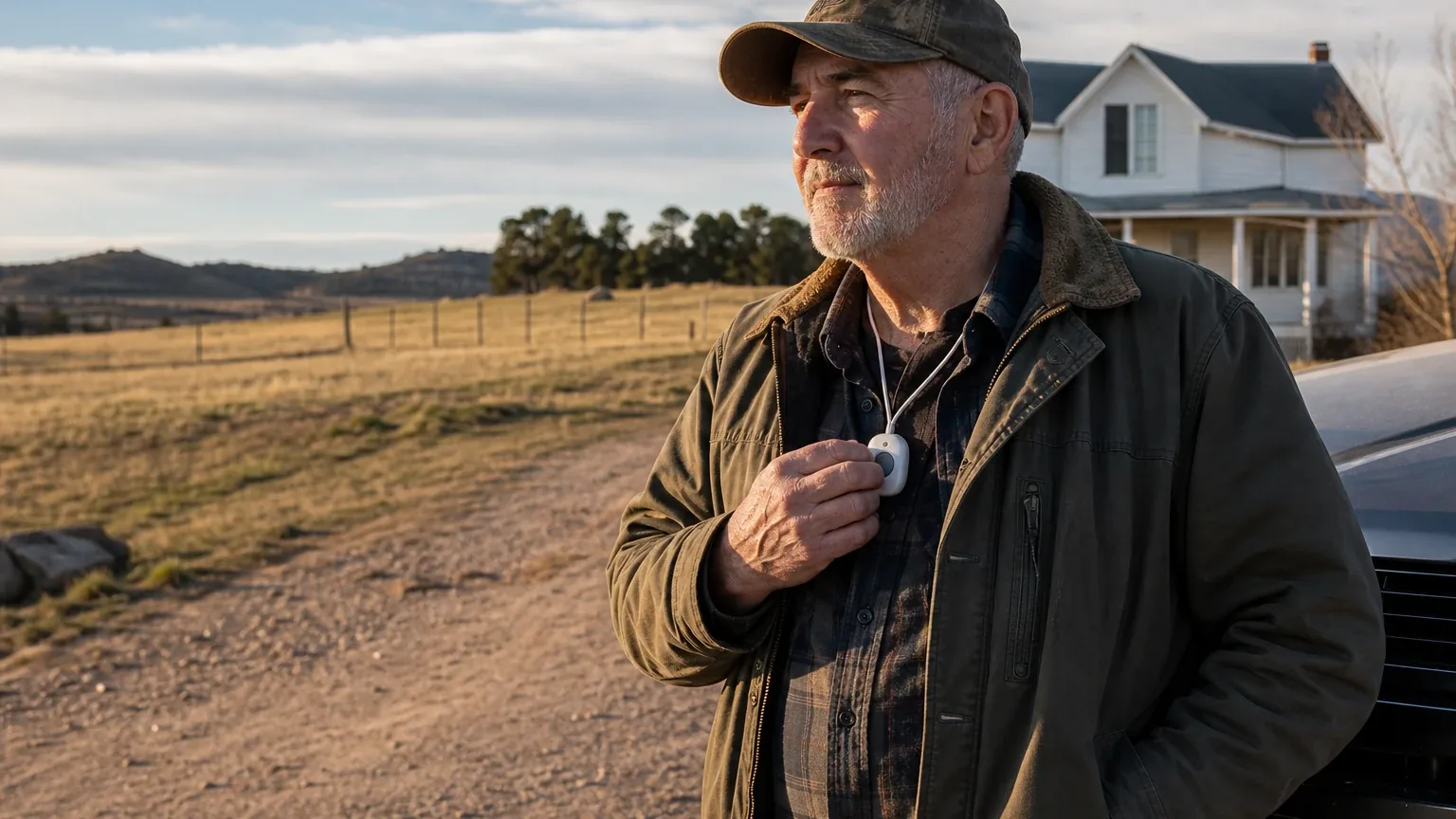
GetSafe is a mixed-to-weak fit for rural seniors who need reliable medical alert service in low-signal areas. Two of seven AI platforms named GetSafe during the ranking stage (deepseek and perplexity), giving it a platform share of 29% and an average listed rank of 8.0. The strongest reason to consider GetSafe is its combination of a loud two-way speaker, voice-activated wall buttons, up to 1,300 feet of in-home accessory range, and independently tested fast monitoring response—features that suit large rural homes with reliable AT&T coverage. The main limitation is its exclusive dependence on AT&T 4G LTE cellular service with no verified landline fallback, no current GPS/mobile option according to recent independent reviews, and conflicting evidence about backup battery performance. For rural homes where AT&T signal is weak or intermittent, GetSafe is not a dependable choice.
Research Snapshot
| Metric | Value |
|---|---|
| Platform mentions in ranking stage | 2 of 7 (deepseek, perplexity) |
| Share of included platform responses | 29% |
| Average listed rank | 8.0 |
| Best listed rank | 8 |
| Relevant product/model/plan | GetSafe Home System (Starter, Standard, Select packages) with AT&T 4G LTE base console, wall buttons, optional wearable button, optional fall detection |
| Overall use-case fit | Mixed to weak |
| Research date | 2026-08-10 |
Why GetSafe Qualified for This Study
GetSafe entered this evaluation because two of the seven AI research platforms (deepseek and perplexity) named it during the ranking stage for the Best medical alert systems for Rural Seniors category. All seven platforms then provided detailed fit assessments for GetSafe specifically against the rural and low-signal reliability criteria, which included cellular carrier coverage, landline fallback options, GPS reliability, speaker volume, dispatch protocol, backup battery life, device range, and monitoring center responsiveness.
The Product, Model, Plan, or Service Most Relevant to Rural & Low-Signal Reliability
The product most relevant to this use case is the GetSafe Home System available in Starter, Standard, and Select packages. The system consists of a base console that connects through AT&T 4G LTE cellular service, voice-activated wall buttons, standard wall buttons, an optional wearable lanyard button, and optional fall detection [1]. GetSafe's official materials state that no landline is required and that all systems include AT&T 4G LTE connectivity [1].
There is a factual conflict about whether GetSafe currently offers a mobile product. Two platforms (deepseek and perplexity) referenced a "GetSafe Home & Mobile" product with cellular and landline options, but recent independent reviews state that GetSafe no longer sells a mobile system and that its current at-home packages have no GPS tracking [4]. One source claims GetSafe offers a "GetSafe Mobile Help Button" with 4G LTE and GPS, while SafeWise (June 2026) states "GetSafe no longer sells a mobile system" [8]. Buyers should verify current product availability directly with GetSafe.
What the AI Platforms Agreed About
Exclusive AT&T 4G LTE Dependence Is the Central Risk
All seven platforms identified GetSafe's reliance on AT&T 4G LTE as the defining characteristic for rural reliability. GetSafe's official product page states that devices connect wirelessly through 4G LTE and that no landline is required [9]. Independent reviewers confirm this: "All GetSafe systems include AT&T 4G LTE cellular coverage; no landline option" [11]. Multiple independent sources explicitly caution that GetSafe "may not be good for those who live in rural areas or areas where there is spotty AT&T coverage" [12]. GetSafe itself recommends that buyers call to verify cellular coverage and signal strength before purchase [14].
No Verified Landline Fallback
Six of seven platforms noted the absence of a landline fallback as a limitation. GetSafe's official pages state that a landline is not required and describe wireless 4G LTE operation [9]. One recent independent review lists landline or LTE as model-dependent, creating a conflict [16]. The currently marketed product should be treated as cellular-only unless GetSafe confirms otherwise in writing [16]. One platform (deepseek) claimed GetSafe offers a landline option, but this conflicts with the majority of evidence and with GetSafe's own current official materials [17].
No Current GPS or Outdoor Coverage
Six of seven platforms identified the lack of GPS tracking and outdoor coverage as a material weakness for rural users. Recent independent reviews state that GetSafe no longer sells a mobile system and that its current at-home packages have no GPS tracking [18]. NCOA reports "To be wearable-free, GetSafe offers no GPS options" and that the company "does not include GPS tracking or outdoor coverage, so it may not be the best choice for people who want protection while running errands, driving, or spending time away from home" [20]. GetSafe is marketed as home-only, limiting protection for seniors who may need help outside the home [21].
Strong In-Home Range and Activation Options
All platforms that provided detailed findings acknowledged GetSafe's strengths for in-home coverage. Independent testing reports up to 1,300 feet for the base station's accessories and approximately 800 feet for the wearable button [18]. GetSafe's core design philosophy is avoiding wearable pendants through fixed wall buttons and base unit voice activation [23]. Users can trigger help by saying "Call 911, call 911" twice or pressing/pulling buttons, and testers found setup instructions "super easy to understand" [24]. This accessibility feature is valuable for seniors who refuse to wear pendants [25].
Fast Monitoring Response
Independent hands-on testing found GetSafe's monitoring response to be fast. SafeWise reported an average response time of 28 seconds in its testing, faster than the other brands it tested [18]. Published descriptions indicate that monitoring agents attempt two-way contact, then dispatch emergency responders and/or contact designated caregivers according to the user's profile [18]. A hands-on test reported that a dropped call triggered responder follow-up [18]. GetSafe has two U.S.-based monitoring centers in Idaho and Utah providing 24/7 coverage [27]. GetSafe states that its two monitoring centers are CSAA Five Diamond Certified, though this is a company claim [9].
Where the AI Platforms Disagreed or Were Uncertain
Fit Ratings Varied from Weak to Uncertain
The seven platforms produced different fit ratings: anthropic rated GetSafe "weak," deepseek rated it "mixed," google rated it "mixed," grok rated it "weak," kimi rated it "uncertain," openai rated it "mixed," and perplexity rated it "uncertain." No platform rated GetSafe as a strong fit for rural and low-signal reliability.
Backup Battery Life: Conflicting Evidence
GetSafe and independent product materials commonly state up to 32 hours of base-unit backup [28]. However, Forbes Health reported that its test battery lasted only a few hours [28]. Multiple sources note "unclear" battery life for wireless help buttons, and the base unit's backup battery duration is not publicly detailed [32]. Actual performance in a rural power outage is uncertain and should be tested after installation [28].
Landline Option: Direct Conflict
GetSafe's current official pages say no landline is required and describe AT&T 4G LTE operation [34]. One recent independent review lists landline or LTE as model-dependent [29]. Deepseek claimed GetSafe offers both cellular and landline options [36], while google noted that "some older third-party comparison sites suggest landline options exist, but official documentation confirms the current GetSafe packages are purely 4G LTE cellular-based" [37]. The current model-specific connection options are unclear and should be verified in writing.
Mobile Product Availability: Direct Conflict
One source (RetirementLiving) claims GetSafe offers a "GetSafe Mobile Help Button" with 4G LTE and GPS [38]. However, SafeWise (June 2026) states "GetSafe no longer sells a mobile system" [39]. This is a material factual conflict about current product availability [38]. Two platforms (deepseek and perplexity) referenced a "Home & Mobile" product, but recent independent reviews contradict this [36].
Pricing Conflicts
Monthly monitoring fee is listed as both $24.95 and $29.95 across different 2025–2026 sources [41]. Starter package equipment is listed as $79, $99, and $100+ depending on source [41]. These discrepancies may reflect sales, promotions, or outdated pricing [41].
Use-Case-Specific Features and Capabilities
Cellular Carrier Coverage
GetSafe uses AT&T 4G LTE exclusively [43]. Users do not need an AT&T contract, but they must reside in an area with reliable AT&T cellular coverage to ensure the system connects to the monitoring center [47]. GetSafe says it can check cellular coverage and signal strength before purchase, but buyer-specific coverage is not independently verified [43]. Service "may be unavailable in areas with poor cellular coverage" [49].
Landline Fallback Options
No verified landline fallback exists in GetSafe's current official offering [43]. The system operates entirely via cellular technology, lacking a fallback safety net for rural homes entirely lacking cellular signal [47].
GPS Reliability and Outdoor Coverage
Recent independent reviews state that GetSafe no longer sells a mobile system and that its current at-home packages have no GPS tracking [52]. This is a material weakness for rural users who may fall outside the home [52]. GetSafe is marketed as home-only, limiting protection for seniors who may need help outside the home [55].
Speaker Volume and Two-Way Communication
The base station has a loud two-way speaker for clear communication with monitoring center agents [52]. However, independent hands-on testing found the voice-activated unit less loud and somewhat fuzzy, with no volume controls on either device [52]. Decibel ratings are not published, so effectiveness for hearing-impaired users is unclear [57].
Dispatch Protocol
When activated, a call is placed to GetSafe's 24/7 monitoring center [58]. The operator attempts two-way communication through speakers, and if help is needed, the operator contacts 911 on the subscriber's behalf [58]. Published descriptions indicate that monitoring agents attempt two-way contact, then dispatch emergency responders and/or contact designated caregivers according to the user's profile [52]. A hands-on test reported that a dropped call triggered responder follow-up [52].
Backup Battery Life
GetSafe and independent product materials commonly state up to 32 hours of base-unit backup [53]. However, Forbes Health reported that its test battery lasted only a few hours [53]. Multiple sources note "unclear" battery life for wireless help buttons [63]. The base unit's backup battery specification is not publicly detailed [64]. GetSafe "is designed to remain plugged in" and requires a power outlet to function [63].
Device Range
Independent testing reports up to 1,300 feet for the base station's accessories and approximately 800 feet for the wearable button [52]. Actual range will vary with buildings, terrain, vegetation, and placement [52]. This adequate in-home range is suitable for large homes but does not address outdoor rural coverage needs [65].
Monitoring Center Responsiveness
SafeWise reported an average response time of 28 seconds in its hands-on testing, faster than the other brands it tested [52]. Independent reviewers report GetSafe monitoring professionals are "polite and responsive" with "fast access to emergency help" [66]. GetSafe has two U.S.-based monitoring centers in Idaho and Utah providing 24/7 coverage [67]. GetSafe states that its two monitoring centers are CSAA Five Diamond Certified and undergo annual certification processes and random UL inspections, though these are company claims [43]. No rural-specific response time data is available [66].
Pricing, Fees, Contracts, and Ongoing Costs
Known Costs
| Item | Price |
|---|---|
| Monthly monitoring | $29.95 per month (some sources list $24.95) |
| Starter equipment (0–1 bedroom) | $39.50 promotional; regular $79–$99 |
| Standard equipment (2–3 bedrooms) | $96.50 promotional; regular $193–$229 |
| Select equipment (4–5 bedrooms) | $307–$359 (price not captured in official excerpt) |
| Optional fall detection | $10 per month plus one-time device fee ($25–$30) |
| Voice-activated wall button | $79 each |
| Standard wall button | $30–$35 each |
| Lockbox | $30 each |
| Wearable lanyard button | $25 (included in some packages) |
| Caregiver tracking app | $5 per month |
| Hardware protection/warranty plan | $5 per month |
| Vial of Life emergency information sheet | $8.95 |
| Shipping | $12 reported by SafeWise; verify current checkout |
Contract and Cancellation Terms
GetSafe requires no long-term contracts; services are billed month-to-month [69]. The company advertises a 30-day risk-free trial, but refund eligibility, return timing, and prorating should be confirmed in the current order terms [68]. SafeWise reports no cancellation or restocking fee when the subscription is canceled and equipment is returned [72]. The main base console must be returned upon cancellation [68]. Equipment is purchased (not rented), so customers own devices after purchase [69]. Beyond the 30-day period, the refund window is poorly documented; sources only confirm returns must be in "unused condition" or immediately after charge [69].
Pricing Confidence
Pricing confidence is moderate. The displayed promotional prices may change [68]. Deepseek and kimi reported low pricing confidence, noting that exact pricing must be verified via consultation [73]. Google reported high pricing confidence [70].
Best Suited For
GetSafe is best suited for:
- Rural seniors who have reliable AT&T 4G LTE signal inside the home [75]
- Users who want multiple in-home activation methods without consistently wearing a pendant [77]
- Larger homes where wall-button placement and base-station range are more important than outdoor coverage [79]
- Homes in areas prone to brief power outages due to the advertised 32-hour backup battery [81]
- Seniors who refuse to wear wearable devices and prefer voice-activated or wall-button solutions [77]
Probably Not Best Suited For
GetSafe is probably not best suited for:
- Homes with weak, intermittent, or absent AT&T coverage [82]
- Seniors who need dependable help while walking outdoors, working on a farm, or traveling away from the home [85]
- Buyers specifically requiring landline fallback or GPS location capability [87]
- Areas prone to extended power outages where backup battery performance must be dependable without additional verification [91]
- Small towns where cellular coverage is unreliable or spotty [82]
When Another Option May Be Better
Choose another provider when:
- The home has unreliable AT&T service but retains a dependable landline—a landline-based or hybrid landline/cellular system would be safer [92]
- The senior routinely travels outside the home or works on rural property—a multi-carrier or different-carrier mobile medical alert with GPS would be better [94]
- Independently verified battery performance during extended outages is a top priority—GetSafe's backup battery has conflicting public evidence [96]
- Responders need location information away from the registered home address—GetSafe has no current GPS option according to recent independent reviews [94]
- The senior lives in a valley or rural area where AT&T cellular service is spotty but Verizon is strong—providers like Medical Guardian or Bay Alarm Medical offer multiple network fallbacks [98]
- Lower upfront equipment costs are a priority—GetSafe requires equipment purchase rather than leasing [93]
Questions to Verify Before Buying
- What exact cellular modem and AT&T coverage test result applies to the buyer's street address and interior rooms? GetSafe recommends calling to verify coverage; do not assume coverage without testing [100].
- Can GetSafe provide a current landline-compatible model or any automatic fallback if AT&T service is unavailable? The current official offering appears cellular-only [101].
- Does the system work in detached garages, barns, yards, basements, or other locations on the property, and what range is guaranteed rather than advertised? Advertised range is up to 1,300 feet, but actual range varies [103].
- What is the tested backup-battery duration under a real outage, and how is low battery reported? Evidence conflicts between 32 hours advertised and a few hours in one test [104].
- Is a mobile GPS product currently available for new customers, and if so, what network, battery life, and outdoor coverage does it use? Recent independent reviews say no mobile system is sold [103].
- What are the exact monitoring escalation steps when the user cannot speak, the call drops, or the base station loses cellular service? [103]
- What are the current equipment prices, shipping charges, fall-detection fees, protection-plan fees, trial-refund rules, and return deadlines? Promotional prices may change [102].
- How quickly will local emergency services typically arrive in the buyer's county, and does GetSafe support the buyer's preferred emergency contacts and lockbox procedure? Dispatch depends on local 911 responsiveness [105].
- Is the 30-day money-back guarantee available in the buyer's state, and what are exact terms if cancellation occurs after 30 days? [106]
- Is there independent customer feedback from rural users in the same geographic region regarding actual service reliability? [106]
Final AI Consensus Verdict
GetSafe is a mixed-to-weak fit for Rural & Low-Signal Reliability. The AI platforms that evaluated GetSafe for this use case were unanimous that its exclusive dependence on AT&T 4G LTE cellular service, without a verified landline fallback or current GPS/mobile option, creates a critical safety risk in rural areas with weak or variable AT&T coverage. Independent reviewers explicitly caution that GetSafe "may not be good for those who live in rural areas or areas where there is spotty AT&T coverage" [107].
GetSafe's genuine strengths—fast monitoring response (28 seconds in independent testing), loud two-way speaker, voice-activated wall buttons, up to 1,300 feet of in-home range, and no long-term contracts—make it a reasonable choice for rural seniors who have confirmed reliable AT&T 4G LTE coverage inside their homes and who do not need outdoor or mobile protection. However, the conflicting evidence about backup battery performance, the absence of a verified landline fallback, and the lack of GPS/outdoor coverage make GetSafe a risky choice for the broader rural use case where reliability is paramount.
For the full comparison of all brands evaluated for this use case, see the Rural & Low-Signal Reliability consensus index. For other medical alert system categories, visit the medical alert systems directory.
How This Review Was Produced
This review was produced by aggregating fit assessments from seven AI research platforms (openai, anthropic, deepseek, grok, perplexity, kimi, and google), each of which evaluated GetSafe against the specific criteria for Rural & Low-Signal Reliability: cellular carrier coverage, landline fallback options, GPS reliability, speaker volume, dispatch protocol, backup battery life, device range, and monitoring center responsiveness. Each platform supplied citations to company-owned and independent sources, which were deduplicated into 16 unique sources: 13 independent and 3 company-owned. The authoritative research date for this study is 2026-08-10.
Methodology Limitations
- Platform-reported research dates differ from the authoritative run date. Deepseek reported a research date of 2026-04-08, while all other platforms reported 2026-08-10. These platform-reported dates are provenance metadata and do not independently prove freshness.
- All included platforms evaluated fit, but platform_mentions counts only platforms that named the entity during ranking discovery. Two of seven platforms (deepseek and perplexity) named GetSafe during the ranking stage.
- Conflicting product names, pricing, and capabilities were not resolved by guessing. The conflict between GetSafe's current official cellular-only offering and older references to landline or mobile options is described and flagged for buyer verification.
- The supplied URLs were collected from platform responses and were not independently validated by the writer stage.
- AI-platform agreement does not prove product quality. The consensus described here reflects what the platforms reported from their sources, not independent verification by this review.
- No personal testing, customer experience, or independent verification was performed for this review.
- Company-owned evidence (getsafe.com) is distinguished from independent evidence throughout. Claims sourced only to GetSafe's own materials are labeled as company claims.
Sources
Company-Owned Sources
- GetSafe Official Website - Medical Alert Systems: https://www.getsafe.com/
- Medical Alert System Product Overview - GetSafe: https://www.getsafe.com/medical-alert-systems/
- Life Saving Medical Alert Costs - GetSafe: https://www.getsafe.com/medical-alert-systems/pricing/
Additional AI research evidence108 records
- AI research evidence record openai:c1
- AI research evidence record openai:c2
- AI research evidence record anthropic:c4
- AI research evidence record openai:c3
- AI research evidence record openai:c4
- AI research evidence record anthropic:c7
- AI research evidence record anthropic:c8
- AI research evidence record anthropic:c18
- AI research evidence record openai:c1
- AI research evidence record openai:c2
- AI research evidence record anthropic:c5
- AI research evidence record anthropic:c1
- AI research evidence record anthropic:c2
- AI research evidence record anthropic:c3
- AI research evidence record anthropic:c4
- AI research evidence record openai:c6
- AI research evidence record deepseek:c1
- AI research evidence record openai:c3
- AI research evidence record openai:c4
- AI research evidence record anthropic:c7
- AI research evidence record anthropic:c8
- AI research evidence record anthropic:c10
- AI research evidence record anthropic:c18
- AI research evidence record anthropic:c16
- AI research evidence record anthropic:c17
- AI research evidence record openai:c5
- AI research evidence record anthropic:c14
- AI research evidence record openai:c4
- AI research evidence record openai:c6
- AI research evidence record google:c3
- AI research evidence record grok:c3
- AI research evidence record anthropic:c11
- AI research evidence record anthropic:c12
- AI research evidence record openai:c1
- AI research evidence record openai:c2
- AI research evidence record deepseek:c1
- AI research evidence record google:c1
- AI research evidence record anthropic:c18
- AI research evidence record openai:c3
- AI research evidence record perplexity:c1
- AI research evidence record anthropic:c2
- AI research evidence record google:c2
- AI research evidence record openai:c1
- AI research evidence record openai:c2
- AI research evidence record anthropic:c5
- AI research evidence record grok:c1
- AI research evidence record google:c1
- AI research evidence record anthropic:c3
- AI research evidence record anthropic:c2
- AI research evidence record anthropic:c4
- AI research evidence record google:c2
- AI research evidence record openai:c3
- AI research evidence record openai:c4
- AI research evidence record anthropic:c7
- AI research evidence record anthropic:c8
- AI research evidence record anthropic:c9
- AI research evidence record deepseek:c1
- AI research evidence record anthropic:c13
- AI research evidence record openai:c5
- AI research evidence record openai:c6
- AI research evidence record google:c3
- AI research evidence record grok:c3
- AI research evidence record anthropic:c11
- AI research evidence record anthropic:c12
- AI research evidence record anthropic:c10
- AI research evidence record anthropic:c15
- AI research evidence record anthropic:c14
- AI research evidence record openai:c2
- AI research evidence record anthropic:c2
- AI research evidence record google:c2
- AI research evidence record google:c3
- AI research evidence record openai:c3
- AI research evidence record deepseek:c1
- AI research evidence record kimi:c1
- AI research evidence record openai:c1
- AI research evidence record google:c1
- AI research evidence record anthropic:c17
- AI research evidence record anthropic:c18
- AI research evidence record openai:c3
- AI research evidence record anthropic:c10
- AI research evidence record google:c3
- AI research evidence record anthropic:c1
- AI research evidence record anthropic:c2
- AI research evidence record grok:c1
- AI research evidence record openai:c3
- AI research evidence record anthropic:c8
- AI research evidence record openai:c1
- AI research evidence record openai:c2
- AI research evidence record anthropic:c4
- AI research evidence record anthropic:c7
- AI research evidence record openai:c4
- AI research evidence record anthropic:c1
- AI research evidence record anthropic:c2
- AI research evidence record openai:c3
- AI research evidence record anthropic:c8
- AI research evidence record openai:c4
- AI research evidence record anthropic:c7
- AI research evidence record deepseek:c1
- AI research evidence record google:c2
- AI research evidence record anthropic:c3
- AI research evidence record openai:c1
- AI research evidence record openai:c2
- AI research evidence record openai:c3
- AI research evidence record openai:c4
- AI research evidence record anthropic:c13
- AI research evidence record anthropic:c2
- AI research evidence record anthropic:c1
- AI research evidence record anthropic:c2
Independent Sources
- GetSafe Medical Alert System Review 2026: https://realestate.usnews.com/home-services/medical-alert-system/getsafe
- GetSafe Medical Alert System Review 2026: https://www.caring.com/best-medical-alert-systems/getsafe-medical-alert-review/
- GetSafe Medical Alert System Review 2026: https://www.caring.com/senior-products/best-medical-alert-systems/getsafe
- GetSafe Medical Alert: https://www.consumeraffairs.com/medical-alerts/getsafe.html
- GetSafe Medical Alert System Review: https://www.forbes.com/health/medical-alert-systems/getsafe-review/
- GetSafe Medical Alert System: A Review: https://www.healthline.com/health/getsafe-medical-alert-reviews
- GetSafe Reviews | Complaints, Cost & Pricing Info: https://www.medicalalertadvice.com/reviews/getsafe/
- Getsafe Medical Alert Systems Review 2026: https://www.ncoa.org/adviser/medical-alert-systems/getsafe-review/
- The Best Medical Alert Systems in 2026: https://www.ncoa.org/product-resources/medical-alert-systems/best-medical-alert-systems/
- GetSafe Medical Alert Systems Review 2026: https://www.ncoa.org/product-resources/medical-alert-systems/getsafe-review/
- GetSafe Medical Alert Starter Review: https://www.pcmag.com/reviews/getsafe-medical-alert-starter
- Best Medical Alert Systems for Rural Seniors: https://www.retirementliving.com/best-medical-alert-systems/cheapest-medical-alert-systems
- GetSafe Medical Alert Review: https://www.safewise.com/senior-safety/medical-alerts/getsafe/
Additional AI research evidence108 records
- AI research evidence record openai:c1
- AI research evidence record openai:c2
- AI research evidence record anthropic:c4
- AI research evidence record openai:c3
- AI research evidence record openai:c4
- AI research evidence record anthropic:c7
- AI research evidence record anthropic:c8
- AI research evidence record anthropic:c18
- AI research evidence record openai:c1
- AI research evidence record openai:c2
- AI research evidence record anthropic:c5
- AI research evidence record anthropic:c1
- AI research evidence record anthropic:c2
- AI research evidence record anthropic:c3
- AI research evidence record anthropic:c4
- AI research evidence record openai:c6
- AI research evidence record deepseek:c1
- AI research evidence record openai:c3
- AI research evidence record openai:c4
- AI research evidence record anthropic:c7
- AI research evidence record anthropic:c8
- AI research evidence record anthropic:c10
- AI research evidence record anthropic:c18
- AI research evidence record anthropic:c16
- AI research evidence record anthropic:c17
- AI research evidence record openai:c5
- AI research evidence record anthropic:c14
- AI research evidence record openai:c4
- AI research evidence record openai:c6
- AI research evidence record google:c3
- AI research evidence record grok:c3
- AI research evidence record anthropic:c11
- AI research evidence record anthropic:c12
- AI research evidence record openai:c1
- AI research evidence record openai:c2
- AI research evidence record deepseek:c1
- AI research evidence record google:c1
- AI research evidence record anthropic:c18
- AI research evidence record openai:c3
- AI research evidence record perplexity:c1
- AI research evidence record anthropic:c2
- AI research evidence record google:c2
- AI research evidence record openai:c1
- AI research evidence record openai:c2
- AI research evidence record anthropic:c5
- AI research evidence record grok:c1
- AI research evidence record google:c1
- AI research evidence record anthropic:c3
- AI research evidence record anthropic:c2
- AI research evidence record anthropic:c4
- AI research evidence record google:c2
- AI research evidence record openai:c3
- AI research evidence record openai:c4
- AI research evidence record anthropic:c7
- AI research evidence record anthropic:c8
- AI research evidence record anthropic:c9
- AI research evidence record deepseek:c1
- AI research evidence record anthropic:c13
- AI research evidence record openai:c5
- AI research evidence record openai:c6
- AI research evidence record google:c3
- AI research evidence record grok:c3
- AI research evidence record anthropic:c11
- AI research evidence record anthropic:c12
- AI research evidence record anthropic:c10
- AI research evidence record anthropic:c15
- AI research evidence record anthropic:c14
- AI research evidence record openai:c2
- AI research evidence record anthropic:c2
- AI research evidence record google:c2
- AI research evidence record google:c3
- AI research evidence record openai:c3
- AI research evidence record deepseek:c1
- AI research evidence record kimi:c1
- AI research evidence record openai:c1
- AI research evidence record google:c1
- AI research evidence record anthropic:c17
- AI research evidence record anthropic:c18
- AI research evidence record openai:c3
- AI research evidence record anthropic:c10
- AI research evidence record google:c3
- AI research evidence record anthropic:c1
- AI research evidence record anthropic:c2
- AI research evidence record grok:c1
- AI research evidence record openai:c3
- AI research evidence record anthropic:c8
- AI research evidence record openai:c1
- AI research evidence record openai:c2
- AI research evidence record anthropic:c4
- AI research evidence record anthropic:c7
- AI research evidence record openai:c4
- AI research evidence record anthropic:c1
- AI research evidence record anthropic:c2
- AI research evidence record openai:c3
- AI research evidence record anthropic:c8
- AI research evidence record openai:c4
- AI research evidence record anthropic:c7
- AI research evidence record deepseek:c1
- AI research evidence record google:c2
- AI research evidence record anthropic:c3
- AI research evidence record openai:c1
- AI research evidence record openai:c2
- AI research evidence record openai:c3
- AI research evidence record openai:c4
- AI research evidence record anthropic:c13
- AI research evidence record anthropic:c2
- AI research evidence record anthropic:c1
- AI research evidence record anthropic:c2
Verify this research
Review the study details behind this page or download the public machine-readable verification record.
- Study date
- Aug 10, 2026
- Platforms analyzed
- 7
- Source records
- 16
- Ranking mentions
- 2 of 7
- Platform share
- 29%
- Final consensus rank
- #7
Research trail and source mix
Platforms
openai, anthropic, deepseek, grok, perplexity, kimi, google
Source mix
13 independent · 3 company-owned
Evidence support
15 direct · 0 partial
Important limitation
Use the run research_date as the study date. Platform-reported dates are provenance metadata and do not independently prove freshness.
Source snapshot SHA-256 4a9325530a4e8a94d53f0632b212fd6f07031c20cf625e66161e563e11c8d70a