
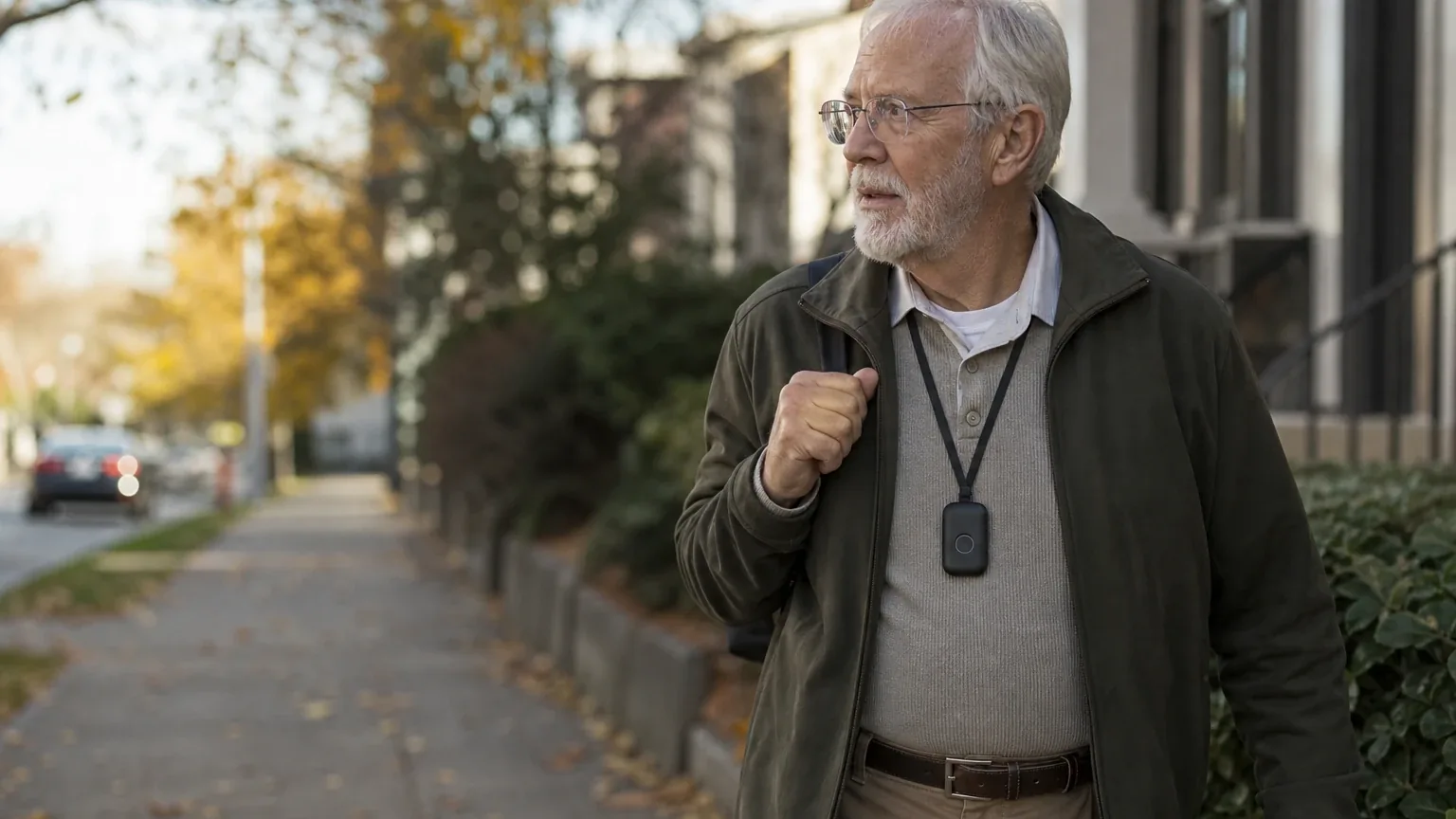
Answer Capsule
AngelSense GPS Tracker is a good-to-strong fit for Portable GPS & Wander Management, particularly for caregivers monitoring adults with moderate-to-advanced dementia who are at risk of wandering or elopement. Six of seven AI research platforms named AngelSense in their ranking stage, with an average listed rank of 1.5 and a best rank of 1. The strongest reason to consider it is its combination of continuous real-time tracking (updates every 10–30 seconds), tamper-resistant non-removable fasteners, and sub-90-second geofence alerts—features purpose-built for wander response. The main limitation is battery life: approximately 24 hours for the GPS 4 device (16 hours for the Watch), requiring daily charging that may be impractical for some caregivers. Pricing is premium, with monthly costs ranging from approximately $39.99 to $64.99 depending on plan tier.
Research Snapshot
| Metric | Value |
|---|---|
| Platform mentions in ranking stage | 6 of 7 platforms |
| Share of included platform responses | 85.7% |
| Average listed rank | 1.5 |
| Best listed rank | 1 |
| Relevant product/model/plan | AngelSense GPS 4 Wearable Kit or AngelSense Watch with Guardian Plan |
| Overall use-case fit | Good to strong (4 strong, 1 good, 1 mixed, 1 uncertain) |
| Research date | 2026-08-12 |
Why AngelSense GPS Tracker Qualified for This Study
AngelSense qualified for this Portable GPS & Wander Management study because it met the category criteria across multiple dimensions. The device provides real-time GPS accuracy using GPS, WiFi triangulation, cellular tower triangulation, and Assisted GPS, achieving 95%+ outdoor accuracy [1]. It offers geofence boundary alerts that fire in under 90 seconds, significantly faster than older competitor benchmarks of 10–15 minutes [2]. The wearable kit includes a sleeve, magnetic key, and three non-removable fasteners designed to prevent removal [3]. The caregiver app supports iOS, Android, and web access with unlimited guardians and notifications [5]. While battery longevity is a limitation at approximately 24 hours, the device's specialized wander-management features—including unexpected-location alerts, learned routine deviation alerts, and runner mode—made it a top contender across platforms [7].
The Product, Model, Plan, or Service Most Relevant to Portable GPS & Wander Management
The most relevant product configuration is the AngelSense GPS 4 Wearable Kit paired with the Guardian Plan service subscription. The GPS 4 device includes a sensory-friendly protective sleeve, three non-removable magnetic fasteners, and a specialized magnetic key for removal [9]. The Guardian Plan provides cellular data connectivity, GPS tracking, app access, and voice features. Plan options include month-to-month at approximately $64.99/month, monthly with a one-year contract at approximately $49.99/month, or annual prepaid at approximately $44.99/month equivalent [10]. An alternative form factor, the AngelSense Watch, offers wrist-worn familiarity but has a shorter battery life of approximately 16 hours [12]. The device is frequently offered free with an active subscription, though its regular retail value is approximately $229 [14].
What the AI Platforms Agreed About
Strong agreement existed across platforms on AngelSense's core strengths for wander management. Five of seven platforms rated AngelSense as a "strong" or "good" fit for this use case (anthropic, deepseek, google, grok, openai), with one "mixed" rating (kimi) and one "uncertain" rating (perplexity).
Real-time tracking accuracy was a unanimous advantage. AngelSense provides continuous, non-standby GPS tracking with updates every 10–30 seconds in active tracking mode, or every 5 seconds in High Frequency Mode [16]. Independent testing rated it on par with Jiobit and superior to Apple AirTag indoors [16]. The device uses an embedded 4G SIM with no distance limitations for remote caregiver access [18].
Tamper resistance was consistently highlighted as a key differentiator. The proprietary clip fastener requires a parent key tool for removal and cannot be pulled off by hand [20]. Multiple reviewers highlighted this as directly addressing dementia-specific risk of device removal [22].
Geofence and wandering alerts were strong across platforms. The service includes unlimited alerts and geofences, detailed daily timeline history, and unexpected-location alerts [18]. The device automatically learns frequent locations and creates geofences without manual setup [25]. Alert speed is under 90 seconds [20].
Battery life was a unanimous limitation. All platforms that addressed battery life noted the approximately 24-hour endurance for the GPS 4 device and 16 hours for the Watch [26]. Daily charging is required as standard practice [30].
Premium pricing was acknowledged by all platforms. Monthly costs range from approximately $39.99 to $64.99 depending on plan tier and billing structure [31]. This is higher than many basic consumer trackers.
Where the AI Platforms Disagreed or Were Uncertain
Pricing tiers were a source of conflict. The AngelSense website lists a base plan at $39.99/month, but SafeWise (April 2026) and other third-party reviewers cite higher-tier plans at $44.99–$64.99/month [33]. The exact criteria for plan tiers and availability are not transparent in public sources [35]. The official pricing page retrieved in August 2026 did not expose stable numeric prices, while SafeWise reported specific prices from April 13, 2026 [36].
Fall detection capability was disputed. One third-party source mentions fall detection as an AngelSense feature, but official product specifications do not explicitly list a dedicated fall-detection sensor [38]. Google's research found a Fall Detection feature in beta, with post-beta pricing estimated at $9/month for monthly subscribers or $7.50/month for annual subscribers [39]. The reviewed AngelSense materials emphasize GPS, wandering alerts, voice, and well-being features but do not clearly verify currently available fall detection or 24/7 professional monitoring for the U.S. senior product [36].
Battery life estimates varied. Company marketing claims "up to 48 hours" depending on use, while user testimonials range from 24–72 hours [42]. The learning phase during the first two weeks reduces battery life before improving [44]. Independent testing characterizes battery life as approximately 24 hours [37].
AngelSense Watch availability in 2026 was uncertain. SafeWise mentions the AngelSense Watch with 16-hour battery, but the current product line and full specifications were not confirmed on the official site [46]. One platform noted the watch was mentioned "if available in 2026 – check current" [47].
Perplexity rated the fit as "uncertain" due to insufficient verified current product, pricing, and feature data in its evidence set [48]. This platform's research date was 2026-08-12, but it could not verify the 2026 product lineup.
Kimi rated the fit as "mixed," citing the child-oriented design legacy, AT&T/T-Mobile network limitation (no Verizon option), and voice minute caps as meaningful tradeoffs [49].
Use-Case-Specific Features and Capabilities
Real-Time GPS Accuracy
AngelSense achieves 95%+ outdoor accuracy using GPS, WiFi triangulation, cellular tower triangulation, and Assisted GPS [52]. Updates occur every 10–30 seconds in active tracking mode or every 5 seconds in High Frequency Mode [52]. Independent SafeWise testing reported highly accurate live location and indoor tracking [53]. However, public customer reviews also describe occasional slow or inaccurate location updates [54]. Indoor accuracy is reduced to approximately 15–30 meters due to GPS signal limitations, with WiFi/Bluetooth fallback less precise than outdoor accuracy [55].
Geofence Boundary Alerts
Geofence alerts fire in under 90 seconds, faster than older competitor models which took 10–15 minutes [57]. The device automatically learns frequent locations and creates geofences without manual setup [58]. Unlimited customizable geofences are available with proactive alerts for leaving safe zones or entering new areas [59]. Smart alerts include unexpected location, wandering, late departure/arrival, and learned routine deviations [61].
Battery Longevity
The GPS 4 device provides up to 24 hours of battery life; the AngelSense Watch provides up to 16 hours [63]. Battery is notably reduced in the first two weeks while the device learns routes [64]. User reports range from 24–72 hours depending on tracking frequency and learning phase [65]. Daily charging is required as standard practice [64]. This is significantly shorter than competitive trackers—the Optimus 2.0 runs 5–7 days, and some pocket trackers last weeks [57].
Wearability Options
The GPS 4 kit includes a sensory-friendly protective sleeve, three non-removable magnetic fasteners, and a specialized magnetic key for removal [66]. The device can be clipped to clothing, placed in a pocket, or worn on a lanyard [67]. A wrist-worn AngelSense Watch variant is available but has shorter battery life [68]. The device is water-resistant, while a waterproof pouch is offered separately [70]. Multiple reviewers highlight the non-removable design as a key differentiator from clip-on competitors that are easily removed [57].
Caregiver App Usability
The AngelSense app is available for iOS, Android, and web platforms [70]. Features include unlimited guardians, real-time tracking, push and/or email notifications, live location sharing, and location playback [61]. The app allows setting unlimited geofences, customizing alert frequency, two-way calling, listen-in audio monitoring, SOS button control, and school-bus tracking [58]. SafeWise noted high customization options, such as adjusting SOS button press duration to reduce false alarms [68]. Reviews indicate the app is comprehensive but has a learning curve [71].
Voice Communication
All listed plans include one-way and two-way voice with 60 free voice minutes per month [70]. The device includes an auto-answer speakerphone, two-way audio initiated by caregiver only (Guardian Mode), and listen-in mode allowing caregivers to hear ambient environment [55]. Voice overage fees apply: $0.30 per domestic voice minute (U.S.) or $0.05 per domestic text [74]. Two-way audio is noted as less useful in moderate-to-advanced dementia where the person may not understand or tolerate voice communication [55].
Fall Detection and Medical-Alert Capability
AngelSense has a Fall Detection feature in beta, with post-beta pricing estimated at $9/month for monthly subscribers or $7.50/month for annual subscribers [75]. However, the reviewed materials do not clearly verify currently available fall detection or 24/7 professional monitoring for the U.S. senior product [70]. The device detects rapid movement (running/elopement speed) and sends immediate alerts [52]. No explicit fall-detection sensor is documented in technical specifications [52].
Pricing, Fees, Contracts, and Ongoing Costs
Known Costs
| Cost Item | Amount | Source |
|---|---|---|
| Device (Guardian Kit) | ~$229 one-time (frequently free with subscription) | [77], [78] |
| Month-to-month plan | ~$64.99/month | [79], [80] |
| Monthly with 1-year contract | ~$49.99/month | [79], [80] |
| Annual prepaid plan | ~$44.99/month equivalent ($539.88/year) | [79], [80] |
| Base tier plan (per AngelSense site) | $39.99/month or $419.88/year | [77] |
| Activation fee | $59 (month-to-month); $19 (annual or monthly-contract) | [80] |
| Fall Detection add-on (post-beta) | $9/month monthly; $7.50/month annual | [81] |
| Voice overage | $0.30/domestic minute; $0.05/domestic text | [82] |
Pricing confidence is moderate. Public pricing is inconsistent across pages and promotions [83]. The official pricing page currently displays plan choices but does not expose stable numeric prices in the retrieved text [83]. SafeWise reported specific prices from April 13, 2026 [84]. Total estimated first-year cost ranges from approximately $709 to $1,008 depending on plan tier [85].
Contract and Cancellation Terms
- Month-to-month plan has no contract and may be canceled anytime [80]
- Monthly-with-one-year-contract and annual plans require a 12-month commitment [80]
- Early termination of a yearly contract can result in charges equal to the remaining payments [87]
- 30-day 100% money-back guarantee applies to first device purchase; applicability to additional devices is excluded [80]
- Cancellation requires calling customer care and identity verification; 30-day written notice for term end [82]
- Free shipping with annual plans [82]
Additional Fees
- Waterproof pouch and additional wearing options may cost extra [83]
- Additional devices have separate kit costs, although discounted multi-device subscriptions may be available [80]
- International voice billed separately at substantially higher rates [82]
Best Suited For
AngelSense GPS Tracker is best suited for:
- Caregivers monitoring adults with moderate-to-advanced dementia who have a documented wandering or elopement history [88]
- Situations where tamper resistance is non-negotiable—the person actively removes devices [90]
- Families prioritizing real-time location updates (every 10–30 seconds) over battery longevity [91]
- Caregivers wanting app, web, unlimited guardians, geofences, unexpected-location alerts, and two-way voice [92]
- Users needing standalone cellular tracking without relying on the senior's smartphone [92]
- Multi-location care settings (home, day program, family members' homes) with automated geofence learning [93]
Probably Not Best Suited For
AngelSense GPS Tracker is probably not best suited for:
- Buyers needing multi-day or multi-week battery life—the 24-hour battery requires daily charging discipline [94]
- Buyers seeking the lowest ongoing subscription cost—premium pricing compared to entry-level alternatives [96]
- Seniors who prefer a conventional watch or discreet pendant and may resist a specialized tracker [94]
- Use cases requiring verified fall detection, 24/7 professional emergency response, or medical-alert functionality [99]
- Early-stage dementia with rare wandering and cost-sensitive families [96]
- Active, independent seniors wanting visible autonomy—the non-removable design may feel paternalistic [96]
- Environments with poor cellular coverage outside major U.S. metro areas—the device operates on AT&T or T-Mobile networks only [98]
When Another Option May Be Better
Consider alternatives in these scenarios:
- Battery life is critical: The Optimus 2.0 wins on 5–7 day battery life and setup simplicity [102]
- Budget under $400 total first-year cost: Entry-level GPS trackers or Apple AirTag Bluetooth alternatives are significantly cheaper [102]
- Fall detection and medical alert are central: Choose a medical-alert GPS provider with fall detection, emergency dispatch, medication support, or 24/7 professional monitoring [103]
- The senior actively removes all visible devices: GPS SmartSole (hidden shoe insole) or hidden pocket tracker may be a better fit [102]
- Poor cellular coverage in rural/remote areas: RF-based search systems like Project Lifesaver operate independently of cellular networks [102]
- The senior prefers a wristwatch-style device: Consider dedicated senior GPS watches from Kanega or Medical Guardian with fall detection and longer battery life [104]
- Caregiver cannot commit to daily charging: Pocket trackers with 5–21 day battery life (Jiobit, Tracki, AirTag) reduce charging burden [102]
Questions to Verify Before Buying
- What is the exact current U.S. price for the wearable kit, watch, activation fee, and selected service plan as of August 12, 2026? [105]
- Is the quoted annual or monthly-contract price guaranteed for the full contract term, and what happens after renewal? [106]
- What is the exact early-termination charge and cancellation process? [107]
- What battery life should be expected with live tracking, frequent alerts, and voice enabled? [109]
- Is there a low-battery alert, and can caregivers confirm charging status remotely? [105]
- How quickly are geofence and wandering alerts delivered in the senior's home, neighborhood, and frequent destinations? [111]
- Does the device support fall detection, SOS escalation, or professional emergency monitoring in the United States today? [105]
- What cellular network coverage is used (AT&T or T-Mobile), and how does the device behave indoors or outside cellular coverage? [113]
- Is the AngelSense Watch currently available, and is it appropriate for an adult with dementia rather than children? [114]
- Are waterproofing, bathing, replacement, warranty, and lost-device terms sufficient for the senior's routines? [105]
- Does the 30-day money-back guarantee cover device, activation, shipping, and service fees, and are there exclusions for additional devices? [106]
- What determines plan tier assignment—is the base $39.99/month plan or the higher $45–$64.99/month tier applicable to your purchase? [116]
Final AI Consensus Verdict
AngelSense GPS Tracker is a good-to-strong fit for Portable GPS & Wander Management, specifically for caregivers managing seniors with moderate-to-advanced dementia where wandering is a documented concern and tamper resistance is critical. Independent expert reviews (SeniorSite, SafeWise, FCCJ, July 2026) consistently rank it first for dementia care due to its non-removable design, real-time tracking every 10–30 seconds, sub-90-second alert speed, and two-way audio [118].
The primary tradeoffs are material: higher-than-competitor monthly costs ($39.99–$64.99/month depending on tier), mandatory daily charging (24–48 hour battery), and reduced indoor accuracy [118]. Fall detection availability is in beta and not clearly verified for the U.S. senior product [122].
The consensus recommendation is to purchase only after a real-world trial confirms location reliability, alert timing, wearability, cellular coverage, and charging feasibility [123]. The 30-day money-back guarantee provides an opportunity to test these factors [124]. Verify current pricing tier, cancellation terms, and cellular coverage before purchase [118].
For caregivers who can commit to daily charging and value tamper-resistant, real-time wander management over cost, AngelSense is among the strongest options available. For those needing longer battery life, lower cost, or verified medical-alert functionality, alternatives should be considered.
How This Review Was Produced
This review was produced by aggregating fit-research responses from seven AI platforms: Anthropic, DeepSeek, Google, Grok, Kimi, OpenAI, and Perplexity. Each platform evaluated AngelSense GPS Tracker against the Portable GPS & Wander Management use case using criteria including real-time GPS accuracy, geofence boundary alerts, battery longevity, wearability options, monthly subscription cost, and caregiver app usability. The research date for this study is August 12, 2026. Platform-reported research dates differ: DeepSeek's response is dated April 12, 2026, while all other platforms are dated August 12, 2026; this discrepancy is a methodology limitation.
The evidence base includes 38 deduplicated sources: 20 company-owned sources (primarily angelsense.com pages), 17 independent sources (including SafeWise, SeniorSite, FCCJ, PCMag, GPSDad, CaringVillage, Trustpilot, and others), and 1 source with unclear ownership (caregiver.org). Company-owned citations materially outnumber independent citations; company claims should not be treated as independently verified. The supplied URLs were collected from platform responses and were not independently validated by the writer stage.
Methodology Limitations
Several limitations apply to this review:
- Platform mentions count only platforms that named AngelSense during ranking discovery. Six of seven platforms named the entity; the seventh (Kimi) evaluated fit but did not name it in ranking.
- Company-owned citations outnumber independent citations (20 vs. 17). Claims sourced only to angelsense.com should be treated as company-reported, not independently verified.
- Platform-reported research dates differ from the authoritative run date. DeepSeek's response is dated April 12, 2026, while the study date is August 12, 2026. Pricing and product information may have changed between these dates.
- Pricing information is inconsistent across sources. The official pricing page did not expose stable numeric prices in the retrieved text, while third-party sources reported specific figures from April–July 2026. Current checkout pricing should be treated as controlling.
- Independent testing primarily concerns children with autism or special needs, not older adults with dementia. Direct evidence for the senior use case is limited.
- User-generated reviews are anecdotal and do not constitute controlled performance studies.
- The AngelSense Watch's 2026 availability is unconfirmed across multiple platforms.
- Fall detection capability is in beta with unclear final pricing and availability.
- AI-platform agreement does not prove product quality. This review reports consensus among AI research platforms, not independent verification of product performance.
Explore more senior technology guidance in the category directory.
Sources
Company-Owned Sources
- New 2022 AngelSense GPS - Longer Battery Life & New Features: https://vertexaisearch.cloud.google.com/grounding-api-redirect/AUZIYGXhRzD9d1Jd4XG2un2s095GVe3s27eYQ1izwe8aWhg5Bid8PNJwCKOEQyoV4m2GJcMsoeMURY_8MQLu1tcxIXKZ5SGXxi21og9rztW1_OQflvDKq7Ol7dCuhwtUgrnu3iXSUssNacjIyujTgoOsQ==
- Free AngelSense GPS Devices Increase Safety for Special Needs: https://vertexaisearch.cloud.google.com/grounding-api-redirect/AUZIYQFmJmMoshRx4Qzs49rG3ovxDaOQrwhln4UlX6Q3IppPg5z9S1d3dZXHy8GvsGk9PaCrCCwypjb9MELsA29siZP4ZEREMairfZJ_1mek9I46HBfymYqpQJookBJG7aEVzLOBq7eVqC39FesyktGxz3Qa07FaI5JkfiEnBiY=
- GPS Tracker Watch for Kids & Elderly - AngelSense: https://vertexaisearch.cloud.google.com/grounding-api-redirect/AUZIYQHYlTZSwX5bH3t50cHFXWn10u7cEryQs4jNXXBt6zisHvAu9z8lXxnsXY_DW78WLB6yW4S6DQxuTVZYmXGTVG9G56T9kSqpdyi-Kv_iiBHsHipoDQZwdTS_iDCymj132XZRsqM=
- AngelSense - GPS Tracker & Assistive Technology for Safety: https://www.angelsense.com/
- AngelSense App: GPS Tracking for Autism & Special Needs: https://www.angelsense.com/blog/angelsense-app-gps-tracking-for-autism-special-needs/
- New 2022 AngelSense GPS - Longer Battery Life & New Features: https://www.angelsense.com/blog/new-2022-angelsense-gps/
- Tracker Watch for Seniors With Dementia & Alzheimer: https://www.angelsense.com/gps-tracker-for-elderly/
- GPS Tracker Battery Life - AngelSense: https://www.angelsense.com/help/battery-life/
- Device Specifications - AngelSense: https://www.angelsense.com/help/device-options/
- Service Plans Explained: https://www.angelsense.com/help/service-plans-explained/
- AngelSense GPS Tracker and Watch Product Information: https://www.angelsense.com/lp/gps-tracker-elderly-call-us/
- Choose Your Plan - AngelSense: https://www.angelsense.com/plans/
- AngelSense Pricing & Plans: https://www.angelsense.com/pricing/
- Real Reviews & Testimonials by Parents – AngelSense GPS Tracker - AngelSense: https://www.angelsense.com/reviews/
- AngelSense GPS Tracker Terms and Conditions: https://www.angelsense.com/term-and-conditions/
Additional AI research evidence124 records
- AI research evidence record anthropic:c8
- AI research evidence record anthropic:c1
- AI research evidence record openai:c2
- AI research evidence record google:1.2.4
- AI research evidence record openai:c1
- AI research evidence record kimi:c1
- AI research evidence record anthropic:c9
- AI research evidence record google:1.1.4
- AI research evidence record google:1.2.4
- AI research evidence record google:2.2.3
- AI research evidence record openai:c4
- AI research evidence record google:1.2.1
- AI research evidence record anthropic:c10
- AI research evidence record google:1.1.6
- AI research evidence record anthropic:c3
- AI research evidence record anthropic:c8
- AI research evidence record google:1.2.3
- AI research evidence record openai:c1
- AI research evidence record anthropic:c5
- AI research evidence record anthropic:c1
- AI research evidence record anthropic:c4
- AI research evidence record anthropic:c11
- AI research evidence record google:1.1.4
- AI research evidence record openai:c4
- AI research evidence record anthropic:c9
- AI research evidence record google:1.2.1
- AI research evidence record openai:c2
- AI research evidence record openai:c5
- AI research evidence record kimi:c2
- AI research evidence record anthropic:c6
- AI research evidence record anthropic:c3
- AI research evidence record google:2.2.3
- AI research evidence record anthropic:c3
- AI research evidence record google:2.2.3
- AI research evidence record anthropic:c2
- AI research evidence record openai:c1
- AI research evidence record openai:c2
- AI research evidence record anthropic:c4
- AI research evidence record google:2.2.6
- AI research evidence record openai:c4
- AI research evidence record openai:c6
- AI research evidence record anthropic:c5
- AI research evidence record anthropic:c7
- AI research evidence record anthropic:c6
- AI research evidence record openai:c5
- AI research evidence record anthropic:c10
- AI research evidence record grok:c1
- AI research evidence record perplexity:c1
- AI research evidence record kimi:c1
- AI research evidence record kimi:c2
- AI research evidence record kimi:c3
- AI research evidence record anthropic:c8
- AI research evidence record openai:c2
- AI research evidence record openai:c3
- AI research evidence record anthropic:c4
- AI research evidence record anthropic:c12
- AI research evidence record anthropic:c1
- AI research evidence record anthropic:c9
- AI research evidence record grok:c2
- AI research evidence record grok:c3
- AI research evidence record kimi:c1
- AI research evidence record kimi:c2
- AI research evidence record google:1.2.1
- AI research evidence record anthropic:c6
- AI research evidence record anthropic:c7
- AI research evidence record google:1.2.4
- AI research evidence record deepseek:c1
- AI research evidence record anthropic:c10
- AI research evidence record google:2.2.3
- AI research evidence record openai:c1
- AI research evidence record deepseek:c2
- AI research evidence record openai:c4
- AI research evidence record anthropic:c5
- AI research evidence record kimi:c3
- AI research evidence record google:2.2.6
- AI research evidence record openai:c6
- AI research evidence record anthropic:c3
- AI research evidence record google:1.1.6
- AI research evidence record google:2.2.3
- AI research evidence record openai:c4
- AI research evidence record google:2.2.6
- AI research evidence record kimi:c3
- AI research evidence record openai:c1
- AI research evidence record openai:c2
- AI research evidence record anthropic:c2
- AI research evidence record google:2.1.2
- AI research evidence record openai:c7
- AI research evidence record anthropic:c11
- AI research evidence record google:1.1.4
- AI research evidence record anthropic:c1
- AI research evidence record anthropic:c8
- AI research evidence record openai:c1
- AI research evidence record anthropic:c9
- AI research evidence record openai:c2
- AI research evidence record google:1.2.1
- AI research evidence record anthropic:c1
- AI research evidence record deepseek:c3
- AI research evidence record kimi:c2
- AI research evidence record openai:c1
- AI research evidence record openai:c4
- AI research evidence record kimi:c3
- AI research evidence record anthropic:c1
- AI research evidence record openai:c1
- AI research evidence record deepseek:c1
- AI research evidence record openai:c1
- AI research evidence record openai:c4
- AI research evidence record openai:c7
- AI research evidence record kimi:c3
- AI research evidence record openai:c2
- AI research evidence record openai:c5
- AI research evidence record anthropic:c1
- AI research evidence record google:2.2.6
- AI research evidence record kimi:c2
- AI research evidence record anthropic:c10
- AI research evidence record grok:c1
- AI research evidence record anthropic:c3
- AI research evidence record anthropic:c2
- AI research evidence record anthropic:c1
- AI research evidence record anthropic:c10
- AI research evidence record anthropic:c11
- AI research evidence record anthropic:c4
- AI research evidence record google:2.2.6
- AI research evidence record openai:c1
- AI research evidence record openai:c4
Independent Sources
- Best GPS Trackers for Seniors with Dementia 2026: Keep Your Loved One: https://allcarestore.com/blogs/news/gps-trackers-seniors-dementia-2026
- 8 Best GPS Trackers for Elderly Parents and Dementia Patients in 2026: https://caringvillage.com/product-reviews/gps-trackers/
- AngelSense GPS Tracker Review: Eye Opening Verdict 2026: https://elderlivinghub.com/reviews/angelsense-gps-tracker-review/
- AngelSense GPS Tracker for Autism Review 2026: https://gpsdad.com/reviews/angelsense-review-2026/
- AngelSense Review: $39.99/Month GPS Tracker: https://neurolaunch.com/angelsense-review/
- Best GPS Trackers for Seniors with Dementia 2026: https://seniorsite.org/resource/best-gps-trackers-for-seniors-with-dementia-2026
- 5 Best GPS Trackers for Dementia Patients (2026): Find a Wanderer | ElderlyDaily: https://vertexaisearch.cloud.google.com/grounding-api-redirect/AUZIYGZO12QOzLUim-hxal2-TN-H3SFw5Ocffzjg1kKtdoxKSBpi7qkJoy58k0LDgF3RRV7VbekElMhpSBs9DJwnIsAFGIFiUx6cC06vzEL5XBl92NWi7nezWVge0VW1SQfBqF7NZ1RCHCGWPimDkOA6C1gbyQYJUbK87mfNtfuRgE=
- 4 Best GPS Trackers for Dementia Patients (2026 Review) - SafeWise: https://vertexaisearch.cloud.google.com/grounding-api-redirect/AUZIYQEOSdw7-aRJWjOa0eQffVQB4kqiQo8F8i8YTJDBMVNp3-e-i_QhIIH7juGCMW6KuIJb5QyvXHvYRSes9DB6mjaXqKBGSrNa8leeJyIJxE9DopLj3MvVx77fJqdkECzYtQa99C5T0eCexx253t8aiaNoZbpq
- 5 Best GPS Trackers for Dementia (July 2026) Expert Reviews: https://www.fccj.org/best-gps-trackers-dementia/
- AngelSense GPS Tracker Review: https://www.gps-tracker-review.com/angelsense-review
- AngelSense GPS Tracker and Watch Review | SafeWise.com: https://www.safewise.com/blog/angelsense-review/
- AngelSense GPS Tracker and Watch Review: https://www.safewise.com/kids-safety/gps-trackers/angelsense/
- 4 Best GPS Trackers for Dementia Patients (2026 Review: https://www.safewise.com/senior-safety/gps-trackers-dementia/
- What Is Product-Market Fit? Examples, Tips, and How to Measure: https://www.salesforce.com/blog/sales/product-market-fit/
- AngelSense Reviews: https://www.trustpilot.com/review/angelsense.com
Additional AI research evidence124 records
- AI research evidence record anthropic:c8
- AI research evidence record anthropic:c1
- AI research evidence record openai:c2
- AI research evidence record google:1.2.4
- AI research evidence record openai:c1
- AI research evidence record kimi:c1
- AI research evidence record anthropic:c9
- AI research evidence record google:1.1.4
- AI research evidence record google:1.2.4
- AI research evidence record google:2.2.3
- AI research evidence record openai:c4
- AI research evidence record google:1.2.1
- AI research evidence record anthropic:c10
- AI research evidence record google:1.1.6
- AI research evidence record anthropic:c3
- AI research evidence record anthropic:c8
- AI research evidence record google:1.2.3
- AI research evidence record openai:c1
- AI research evidence record anthropic:c5
- AI research evidence record anthropic:c1
- AI research evidence record anthropic:c4
- AI research evidence record anthropic:c11
- AI research evidence record google:1.1.4
- AI research evidence record openai:c4
- AI research evidence record anthropic:c9
- AI research evidence record google:1.2.1
- AI research evidence record openai:c2
- AI research evidence record openai:c5
- AI research evidence record kimi:c2
- AI research evidence record anthropic:c6
- AI research evidence record anthropic:c3
- AI research evidence record google:2.2.3
- AI research evidence record anthropic:c3
- AI research evidence record google:2.2.3
- AI research evidence record anthropic:c2
- AI research evidence record openai:c1
- AI research evidence record openai:c2
- AI research evidence record anthropic:c4
- AI research evidence record google:2.2.6
- AI research evidence record openai:c4
- AI research evidence record openai:c6
- AI research evidence record anthropic:c5
- AI research evidence record anthropic:c7
- AI research evidence record anthropic:c6
- AI research evidence record openai:c5
- AI research evidence record anthropic:c10
- AI research evidence record grok:c1
- AI research evidence record perplexity:c1
- AI research evidence record kimi:c1
- AI research evidence record kimi:c2
- AI research evidence record kimi:c3
- AI research evidence record anthropic:c8
- AI research evidence record openai:c2
- AI research evidence record openai:c3
- AI research evidence record anthropic:c4
- AI research evidence record anthropic:c12
- AI research evidence record anthropic:c1
- AI research evidence record anthropic:c9
- AI research evidence record grok:c2
- AI research evidence record grok:c3
- AI research evidence record kimi:c1
- AI research evidence record kimi:c2
- AI research evidence record google:1.2.1
- AI research evidence record anthropic:c6
- AI research evidence record anthropic:c7
- AI research evidence record google:1.2.4
- AI research evidence record deepseek:c1
- AI research evidence record anthropic:c10
- AI research evidence record google:2.2.3
- AI research evidence record openai:c1
- AI research evidence record deepseek:c2
- AI research evidence record openai:c4
- AI research evidence record anthropic:c5
- AI research evidence record kimi:c3
- AI research evidence record google:2.2.6
- AI research evidence record openai:c6
- AI research evidence record anthropic:c3
- AI research evidence record google:1.1.6
- AI research evidence record google:2.2.3
- AI research evidence record openai:c4
- AI research evidence record google:2.2.6
- AI research evidence record kimi:c3
- AI research evidence record openai:c1
- AI research evidence record openai:c2
- AI research evidence record anthropic:c2
- AI research evidence record google:2.1.2
- AI research evidence record openai:c7
- AI research evidence record anthropic:c11
- AI research evidence record google:1.1.4
- AI research evidence record anthropic:c1
- AI research evidence record anthropic:c8
- AI research evidence record openai:c1
- AI research evidence record anthropic:c9
- AI research evidence record openai:c2
- AI research evidence record google:1.2.1
- AI research evidence record anthropic:c1
- AI research evidence record deepseek:c3
- AI research evidence record kimi:c2
- AI research evidence record openai:c1
- AI research evidence record openai:c4
- AI research evidence record kimi:c3
- AI research evidence record anthropic:c1
- AI research evidence record openai:c1
- AI research evidence record deepseek:c1
- AI research evidence record openai:c1
- AI research evidence record openai:c4
- AI research evidence record openai:c7
- AI research evidence record kimi:c3
- AI research evidence record openai:c2
- AI research evidence record openai:c5
- AI research evidence record anthropic:c1
- AI research evidence record google:2.2.6
- AI research evidence record kimi:c2
- AI research evidence record anthropic:c10
- AI research evidence record grok:c1
- AI research evidence record anthropic:c3
- AI research evidence record anthropic:c2
- AI research evidence record anthropic:c1
- AI research evidence record anthropic:c10
- AI research evidence record anthropic:c11
- AI research evidence record anthropic:c4
- AI research evidence record google:2.2.6
- AI research evidence record openai:c1
- AI research evidence record openai:c4
Other Sources
- AngelSense GPS Tracker Review: Is It Worth the Cost?: https://www.caregiver.org/angelsense-gps-tracker-review
Additional AI research evidence124 records
- AI research evidence record anthropic:c8
- AI research evidence record anthropic:c1
- AI research evidence record openai:c2
- AI research evidence record google:1.2.4
- AI research evidence record openai:c1
- AI research evidence record kimi:c1
- AI research evidence record anthropic:c9
- AI research evidence record google:1.1.4
- AI research evidence record google:1.2.4
- AI research evidence record google:2.2.3
- AI research evidence record openai:c4
- AI research evidence record google:1.2.1
- AI research evidence record anthropic:c10
- AI research evidence record google:1.1.6
- AI research evidence record anthropic:c3
- AI research evidence record anthropic:c8
- AI research evidence record google:1.2.3
- AI research evidence record openai:c1
- AI research evidence record anthropic:c5
- AI research evidence record anthropic:c1
- AI research evidence record anthropic:c4
- AI research evidence record anthropic:c11
- AI research evidence record google:1.1.4
- AI research evidence record openai:c4
- AI research evidence record anthropic:c9
- AI research evidence record google:1.2.1
- AI research evidence record openai:c2
- AI research evidence record openai:c5
- AI research evidence record kimi:c2
- AI research evidence record anthropic:c6
- AI research evidence record anthropic:c3
- AI research evidence record google:2.2.3
- AI research evidence record anthropic:c3
- AI research evidence record google:2.2.3
- AI research evidence record anthropic:c2
- AI research evidence record openai:c1
- AI research evidence record openai:c2
- AI research evidence record anthropic:c4
- AI research evidence record google:2.2.6
- AI research evidence record openai:c4
- AI research evidence record openai:c6
- AI research evidence record anthropic:c5
- AI research evidence record anthropic:c7
- AI research evidence record anthropic:c6
- AI research evidence record openai:c5
- AI research evidence record anthropic:c10
- AI research evidence record grok:c1
- AI research evidence record perplexity:c1
- AI research evidence record kimi:c1
- AI research evidence record kimi:c2
- AI research evidence record kimi:c3
- AI research evidence record anthropic:c8
- AI research evidence record openai:c2
- AI research evidence record openai:c3
- AI research evidence record anthropic:c4
- AI research evidence record anthropic:c12
- AI research evidence record anthropic:c1
- AI research evidence record anthropic:c9
- AI research evidence record grok:c2
- AI research evidence record grok:c3
- AI research evidence record kimi:c1
- AI research evidence record kimi:c2
- AI research evidence record google:1.2.1
- AI research evidence record anthropic:c6
- AI research evidence record anthropic:c7
- AI research evidence record google:1.2.4
- AI research evidence record deepseek:c1
- AI research evidence record anthropic:c10
- AI research evidence record google:2.2.3
- AI research evidence record openai:c1
- AI research evidence record deepseek:c2
- AI research evidence record openai:c4
- AI research evidence record anthropic:c5
- AI research evidence record kimi:c3
- AI research evidence record google:2.2.6
- AI research evidence record openai:c6
- AI research evidence record anthropic:c3
- AI research evidence record google:1.1.6
- AI research evidence record google:2.2.3
- AI research evidence record openai:c4
- AI research evidence record google:2.2.6
- AI research evidence record kimi:c3
- AI research evidence record openai:c1
- AI research evidence record openai:c2
- AI research evidence record anthropic:c2
- AI research evidence record google:2.1.2
- AI research evidence record openai:c7
- AI research evidence record anthropic:c11
- AI research evidence record google:1.1.4
- AI research evidence record anthropic:c1
- AI research evidence record anthropic:c8
- AI research evidence record openai:c1
- AI research evidence record anthropic:c9
- AI research evidence record openai:c2
- AI research evidence record google:1.2.1
- AI research evidence record anthropic:c1
- AI research evidence record deepseek:c3
- AI research evidence record kimi:c2
- AI research evidence record openai:c1
- AI research evidence record openai:c4
- AI research evidence record kimi:c3
- AI research evidence record anthropic:c1
- AI research evidence record openai:c1
- AI research evidence record deepseek:c1
- AI research evidence record openai:c1
- AI research evidence record openai:c4
- AI research evidence record openai:c7
- AI research evidence record kimi:c3
- AI research evidence record openai:c2
- AI research evidence record openai:c5
- AI research evidence record anthropic:c1
- AI research evidence record google:2.2.6
- AI research evidence record kimi:c2
- AI research evidence record anthropic:c10
- AI research evidence record grok:c1
- AI research evidence record anthropic:c3
- AI research evidence record anthropic:c2
- AI research evidence record anthropic:c1
- AI research evidence record anthropic:c10
- AI research evidence record anthropic:c11
- AI research evidence record anthropic:c4
- AI research evidence record google:2.2.6
- AI research evidence record openai:c1
- AI research evidence record openai:c4
Verify this research
Review the study details behind this page or download the public machine-readable verification record.
- Study date
- Aug 12, 2026
- Platforms analyzed
- 7
- Source records
- 38
- Ranking mentions
- 6 of 7
- Platform share
- 86%
- Final consensus rank
- #1
Research trail and source mix
Platforms
openai, anthropic, deepseek, grok, perplexity, kimi, google
Source mix
17 independent · 20 company-owned · 1 unclear
Evidence support
32 direct · 6 partial
Important limitation
Use the run research_date as the study date. Platform-reported dates are provenance metadata and do not independently prove freshness.
Source snapshot SHA-256 7fa3f7c976a3ddce648940ff5363d71e9d3f3ff58b88c26f0bd903def1f41c1b