
Answer Capsule
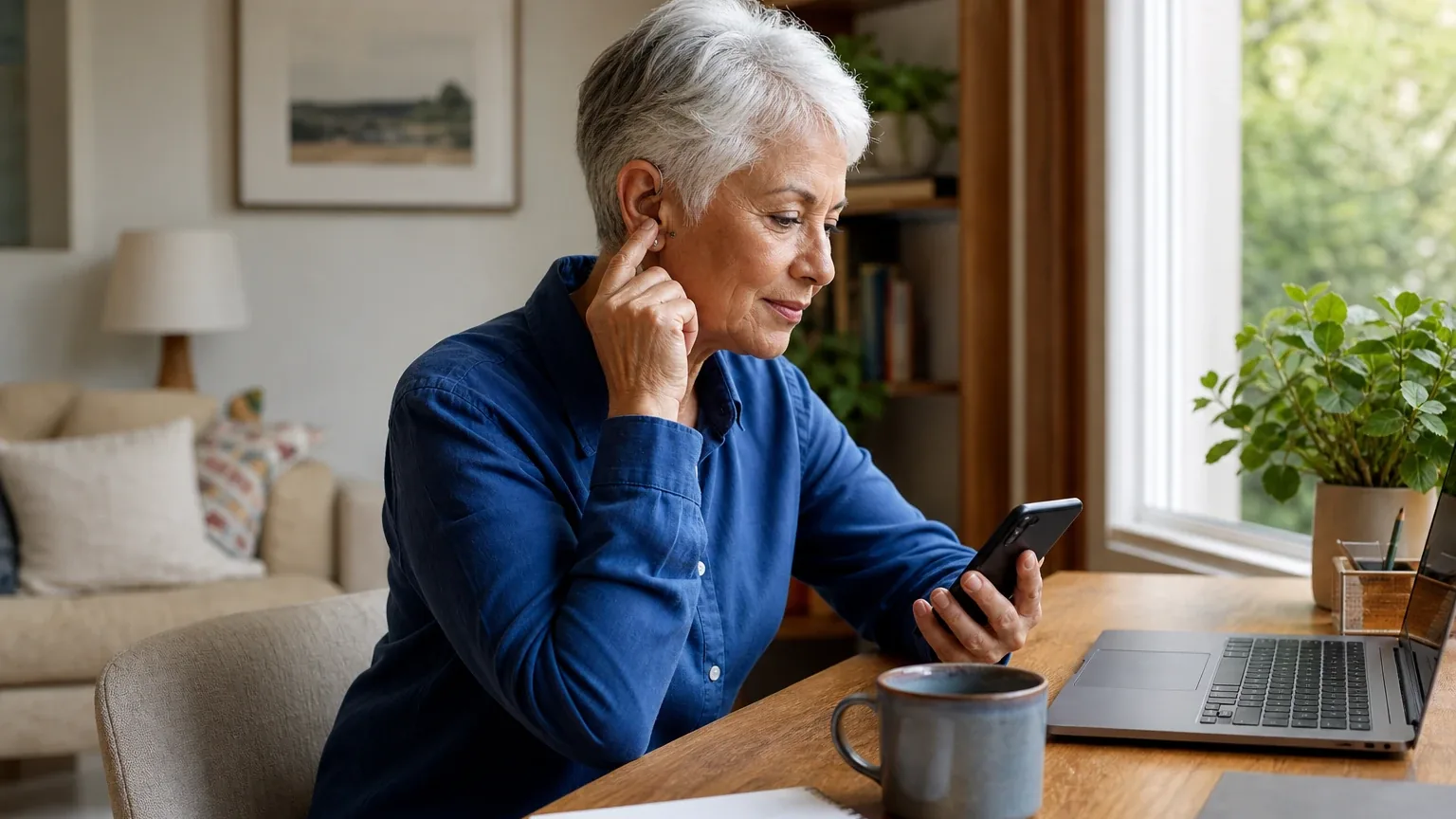
Oticon Intent is a strong fit for older adults who want prescription hearing aids that pair with smartphones, stream calls and media, and support app-based adjustments. Five of seven AI platforms named Oticon Intent during the ranking stage, and four of seven rated it a strong fit for this use case. The strongest reason to consider it is its combination of direct iPhone streaming, Bluetooth LE Audio support for newer Android phones, hands-free calling, and the Oticon Companion app for everyday adjustments. The main limitation is device-specific compatibility: Android two-way calling requires Bluetooth LE Audio or ASHA support, older phones may need an accessory, and TV streaming accessory compatibility is not clearly documented in the reviewed public materials. Pricing is provider-dependent and was not verified as a single standard U.S. amount.
Research Snapshot
| Metric | Value |
|---|---|
| Platform mentions in ranking stage | 5 of 7 platforms |
| Share of included platform responses | 71% (5 of 7) |
| Average listed rank | 3.8 |
| Best listed rank | 2 (openai) |
| Relevant product/model/plan | Oticon Intent miniRITE R (rechargeable), all performance tiers (Intent 1–4) |
| Overall use-case fit | Strong (4 platforms), Good (1), Uncertain (2) |
| Research date | 2026-08-12 |
Why Oticon Intent Qualified for This Study
Oticon Intent qualified because five of the seven AI platforms named it during the ranking stage for best Bluetooth hearing aids for seniors. Its ranks by platform were: openai at 2, anthropic at 4, deepseek at 4, grok at 4, and google at 5. The average listed rank was 3.8, and the best listed rank was 2. Two platforms (kimi and perplexity) did not name Oticon Intent during ranking discovery but did provide fit assessments.
The Product, Model, Plan, or Service Most Relevant to Wireless Streaming & Phone Pairing
The most relevant product is the Oticon Intent miniRITE R, a rechargeable receiver-in-canal hearing aid. All seven platforms identified this model as the primary configuration for wireless streaming and phone pairing. The platforms also referenced the performance tiers (Intent 1, 2, 3, and 4), which share the same hardware but differ in software feature activation [1]. One platform specifically recommended the Intent 1 miniRITE R [2], while another noted that the rechargeable version is preferred and should be fitted at an appropriate performance level by an audiologist [3].
What the AI Platforms Agreed About
Strong iPhone and iOS Compatibility
Four platforms (openai, anthropic, deepseek, google) agreed that Oticon Intent is Made for iPhone certified and supports direct streaming and hands-free calling on iPhone 11 or later with iOS 15.2+ [4]. Independent review evidence described iPhone connectivity as "seamless" [5]. One platform reported that independent testing found an app reconnection experience of approximately 11–15 seconds with an iPhone and no reconnection problems in the tester's use [7].
Bluetooth LE Audio and Google Fast Pair for Android
Four platforms (openai, anthropic, deepseek, google) noted that Oticon Intent uses Bluetooth LE Audio and Google Fast Pair for Android pairing [8]. A firmware update to version 1.3.0 unlocks Auracast and Google Fast Pair on the Oticon Intent [11]. One platform described this as the "world's first hearing aids with Google's Fast Pair" [9].
Companion App Usability
Four platforms (openai, anthropic, deepseek, google) agreed that the Oticon Companion app supports volume and program changes, sound equalizer adjustments, streaming adjustments, troubleshooting, Find My Hearing Aids, and certain remote-care functions [12]. The app is available for iOS and Android and was rated 4.2–4.6 stars on Google Play [15]. One platform noted the app is intuitive for seniors with some technical comfort [16].
Rechargeable Battery with Approximately 20 Hours
Four platforms (openai, anthropic, deepseek, google) reported that the rechargeable miniRITE R delivers approximately 20 hours per full charge with streaming included [17]. A 30-minute quick charge yields approximately 8 hours of use [17]. Actual operating time depends on streaming volume and duration, hearing loss, sound environment, feature settings, battery age, and wireless accessories [20].
Prescription-Only Purchase Through Audiologists
Four platforms (openai, anthropic, deepseek, google) agreed that Oticon Intent is prescription-only and requires fitting by a licensed audiologist. Oticon advises US consumers to purchase through authorized hearing-care professionals and does not endorse internet or mail-order sales [21]. Initial fitting typically takes 1–2 hours with follow-ups at 2–4 weeks and 6–8 weeks [22].
Where the AI Platforms Disagreed or Were Uncertain
Android Two-Way Calling Support
The platforms disagreed on how broadly Android two-way calling is supported. Anthropic reported that Android two-way hands-free calling is restricted to phones with Bluetooth LE Audio support, and older Android devices need an Easy LE Adapter or ConnectClip accessory [23]. One independent review noted that two-way calling only works with select iOS devices, not most Android phones [25]. Google reported that the hearing aids operate as a true wireless headset for both Apple iOS and compatible Android smartphones [26], but also documented a specific compatibility issue with Samsung Galaxy A55 and A56 phones that can crash during LE Audio calls [27].
Pricing Estimates Varied Widely
Pricing estimates ranged from $2,400 to $10,000 per pair depending on the source. Anthropic reported Intent 1 (flagship) costs $3,000–$5,000 per device ($6,000–$10,000 per pair with services), while Intent 2 costs approximately $2,400–$3,600 per device [28]. Deepseek reported a pair typically costs $3,000–$4,500 at retail [29]. Google reported typical bundled pricing between $2,898 and $4,598 per pair [30]. No official manufacturer MSRP was publicly listed.
TV Streaming Accessory Compatibility
Openai flagged that the product page lists TV Adapter 3.0 compatibility for several Oticon families but does not clearly list Intent [31]. This means direct TV streaming and accessory compatibility should be verified before purchase. Kimi noted that no verified information was found about TV streaming accessories for Oticon Intent [32].
Battery Life Claims Conflict
Anthropic noted that battery life claims vary: Oticon official material states 20 hours per charge, while some retailer listings claim up to 56 hours, which appears to conflate multiple charges or fast-charge scenarios [33]. Verification with an audiologist was recommended.
Two Platforms Could Not Verify Key Details
Kimi and perplexity both rated Oticon Intent as "uncertain" because they could not verify Bluetooth specifications, phone compatibility, app functionality, or pricing from the sources they checked [32]. Kimi specifically noted that competitor Widex provides more explicit public documentation of Bluetooth protocols and TV streaming accessories [35].
Use-Case-Specific Features and Capabilities
Bluetooth Stability and Pairing
Oticon Intent supports Bluetooth LE Audio, Made for iPhone connectivity, Google Fast Pair on compatible Android devices, and direct pairing through the Oticon Companion app [36]. Independent testing reported approximately 11–15 seconds for app reconnection with an iPhone and no reconnection problems in the tester's use, but individual experiences may vary [39]. Some users report occasional glitches outdoors or distance issues [40].
Phone Compatibility
Hands-free calls are supported on selected iPhone, iPad, Mac, and Android devices [37]. Oticon states that Android direct streaming requires ASHA or Bluetooth LE Audio, while two-way hands-free communication requires compatible newer Android devices [38]. Buyers must check the exact phone model and operating-system version. A documented compatibility issue exists with Samsung Galaxy A55 and A56 phones, which can crash during LE Audio calls and require fallback to ASHA streaming [42].
Streaming Audio Quality
The Intent miniRITE R is marketed with high-quality Bluetooth streaming, direct iPhone streaming, Bluetooth LE Audio Android streaming, and two-way hands-free calls on supported devices [36]. Independent review evidence characterizes streaming and connectivity as strong [39]. Oticon developed a dedicated MyMusic program tuned for audio fidelity [43]. The Polaris RISE chipset is designed to improve sound processing [44].
Companion App Usability
The Oticon Companion app supports volume and program changes, sound equalizer adjustments, streaming adjustments, troubleshooting, Find My Hearing Aids, and certain remote-care functions [45]. The app includes a setup wizard, an integrated streaming equalizer, and an Auracast broadcast assistant to search for local audio streams [46]. Dark mode was added for eye comfort [47]. The app replaces separate Oticon ON and RemoteCare apps [47].
Battery Impact
The rechargeable miniRITE R is advertised with a full day's hearing power after charging, including fast-charge claims [48]. Actual operating time depends on streaming volume and duration, hearing loss, sound environment, feature settings, battery age, and wireless accessories [48]. The lithium-ion battery is designed to last up to 5 years [49]. Oticon removed in-office battery replacement; depleted batteries require sending devices to the manufacturer [50].
Speech Clarity During Calls
The design supports two-way audio and hands-free calls on compatible devices [36]. Oticon promotes speech-support processing, while independent testing describes strong speech performance [39]. Intent uses second-generation AI and 4D Sensor technology to prioritize speech based on head/body movement and conversation activity [52]. Independent lab testing rated Intent 4.9/5 after audiologist tuning and 4.4 HearingTracker score [53].
Support Access
Oticon directs US consumers to authorized hearing-care professionals and does not endorse internet or mail-order sales [54]. Remote care adjustments are available via the Companion app, and audiologists can make deeper programming changes [55].
Pricing, Fees, Contracts, and Ongoing Costs
Pricing confidence is low to moderate across platforms. No official manufacturer MSRP is publicly listed, and actual costs vary significantly by clinic, geography, and add-on services.
| Cost Item | Reported Range | Source |
|---|---|---|
| Intent 1 (flagship) per pair with services | $6,000–$10,000 | [56] |
| Intent 2 per device | $2,400–$3,600 | [56] |
| Typical bundled price per pair | $2,898–$4,598 | [57] |
| Typical retail per pair | $3,000–$4,500 | [58] |
| Easy LE Adapter accessory | Approximately $99 | [57] |
Additional fees may include professional fitting and follow-up visits, wireless accessories for TV or unsupported-phone connectivity, and potential follow-up, repair, replacement, or remote-care charges depending on provider terms [59]. Medicare does not cover hearing aids; private insurance coverage is inconsistent and often partial [56]. Trial periods vary by provider, with some offering 30–60 day risk-free trials [56]. Manufacturer warranty is typically 3 years, with some providers offering up to 4 years depending on technology level [56].
Best Suited For
Oticon Intent is best suited for:
- iPhone users who want direct streaming and hands-free calls [60]
- Owners of newer Android phones with Bluetooth LE Audio and Android 14 or later [62]
- Buyers wanting a rechargeable prescription RIC with app controls [60]
- Users who value streaming efficiency and future-facing Bluetooth LE Audio and Auracast support [63]
- Seniors in noisy environments seeking advanced speech clarity via 4D Sensor and AI processing [64]
- Budget-conscious buyers who can accept mid-tier Intent models (Intent 2–4) instead of the flagship [65]
Probably Not Best Suited For
Oticon Intent is probably not best suited for:
- Buyers whose phone is not listed in Oticon's compatibility guide [66]
- Users who require guaranteed direct streaming from older or unsupported Android phones [67]
- Buyers seeking transparent, standardized retail pricing or direct online purchase [68]
- Users who want TV streaming without confirming accessory compatibility and total cost [69]
- Seniors who strongly prefer disposable batteries over a rechargeable-only system [70]
- Users of specific unsupported mid-range Android devices, such as the Samsung Galaxy A55 or A56 [71]
- Those who require a CROS transmitter system for single-sided deafness [70]
- Budget-first buyers seeking low upfront costs [72]
When Another Option May Be Better
Several platforms identified specific scenarios where another option may be better:
- Longest possible battery life (30+ hours): Consider ReSound Nexia or Signia IX [73]
- Android-exclusive users wanting seamless two-way calling without adapters: Phonak Paradise or ReSound Nexia offer broader native Android support [73]
- Strict budget under $5,000 per pair: Consider Oticon Real (previous flagship) or direct-to-consumer brands like Jabra Enhance or MDHearing [73]
- Over-the-counter purchase with minimal audiologist involvement: Consider FDA-approved OTC hearing aids (Bose, JBL, Nuheara) or self-programmable direct brands [73]
- Costco members seeking similar streaming features at lower cost: Consider Kirkland Signature hearing aids [74]
- Buyers who need verified phone compatibility before purchase: Widex provides explicit ASHA/MFi compatibility lists [75]
Questions to Verify Before Buying
- Is the buyer's exact smartphone model and operating-system version listed as compatible for direct streaming and two-way hands-free calls? [76]
- Does the buyer's phone support ASHA, Bluetooth LE Audio, or both? [76]
- Will calls be hands-free through the hearing-aid microphones, or will a ConnectClip or other accessory be required? [77]
- Can the buyer stream TV audio directly, and which exact Oticon TV accessory is compatible with the selected Intent model and firmware? [78]
- Which Intent performance level is being quoted, and what features differ between Level 1, 2, 3, and 4? [79]
- What is included in the quoted price: fitting, verification, follow-up visits, charger, accessories, remote care, warranty, and loss-and-damage coverage? [80]
- What is the written trial period and return policy? [79]
- What battery runtime should be expected with the buyer's typical daily streaming pattern? [81]
- Can the audiologist demonstrate pairing, call quality, app control, and TV streaming using the buyer's own phone before purchase? [82]
- What support is available if pairing becomes unreliable after a phone or hearing-aid firmware update? [83]
Final AI Consensus Verdict
Oticon Intent is a strong fit for US seniors using compatible iPhones or newer Android phones who want rechargeable prescription hearing aids with direct streaming, hands-free calls, and app adjustments. Four of seven platforms rated it strong, one rated it good, and two rated it uncertain due to insufficient verification of key details. The main buying risk is not the core feature set but device-specific compatibility, unclear TV-accessory support, and provider-dependent pricing and service terms [84]. Independent testing validates strong streaming, connectivity, and speech performance [85]. Buyers should verify their exact phone model, confirm TV streaming accessory compatibility, and obtain an itemized quote from an audiologist before committing.
For a broader comparison of Bluetooth hearing aids for seniors, see the Wireless Streaming & Phone Pairing consensus index.
How This Review Was Produced
This review was produced by aggregating fit-research responses from seven AI platforms (openai, anthropic, deepseek, google, grok, perplexity, and kimi) that evaluated Oticon Intent for the Wireless Streaming & Phone Pairing use case. Each platform assessed the entity against criteria including Bluetooth stability, phone compatibility, streaming audio quality, companion app usability, battery impact, speech clarity, support access, and price value. The research date for this study is 2026-08-12. Platform-reported research dates differ from the authoritative run date; deepseek reported a research date of 2026-04-10, which is a methodology limitation.
The supplied URLs were collected from platform responses and were not independently validated by the writer stage. Claims are cited to their original sources, with company-owned sources (oticon.com) distinguished from independent sources (hearingtracker.com, soundly.com, theseniorlist.com, and others). Platform agreement does not prove product quality; it reflects the consensus of the AI platforms' assessments of the supplied evidence.
For more resources in this category, visit the senior technology directory.
Methodology Limitations
- Platform-reported research dates differ: Deepseek reported a research date of 2026-04-10, while the authoritative run date is 2026-08-12. This discrepancy is disclosed as a methodology limitation.
- Platform mentions vs. fit assessments: All seven platforms evaluated fit, but only five named Oticon Intent during ranking discovery. Kimi and perplexity did not name the entity during ranking but provided fit assessments.
- Source validation: The supplied URLs were collected from platform responses and were not independently validated by the writer stage.
- Conflicting product names and pricing: The platforms referenced different performance tiers and pricing ranges. These conflicts are described rather than resolved by guessing.
- Company-owned vs. independent evidence: Some claims, such as the "35–45% better speech clarity" comparison, appear only in company-owned or retailer sources and were not quantified by independent lab testing [87].
- Anecdotal user reports: Independent user reports of Bluetooth connectivity issues are anecdotal and cannot establish typical reliability [88].
Sources
Company-Owned Sources
- Oticon Bluetooth® hearing aids | Simply connect to what matters most: https://vertexaisearch.cloud.google.com/grounding-api-redirect/AUZIYQHfO34piw2al1P9ZZqTjZFz0ApMpG0NGvDXDQ0h7S--iu1B1MaPEoFX1RAnxZznQw1wqqgDh_VBzwIvZKtGAwqDolrCuMyAD85qg8E2jcHqfuZK_J9_F3RHEqwCzGb-t4dVTwj0CrihBYt2_Z_7PzwQRxifYQwfiy4hhsd_DGAb_R7FuLHqk_sQ4ot7sI_FZ45OKsgIOQ-ZhNp5zcAk9i0RdU6qvqnyIg==
- Search results provided for this query: https://www.oticon.com
- Oticon Intent Competitive Benchmark Research Brief: https://www.oticon.com/-/media/oticon-us/main/download-center/white-papers/15500-0333-intent-competitive-benchmark-research-brief.pdf
- Consumer Advisory: https://www.oticon.com/about-us/consumer-advisory
- Introducing Oticon Intent: https://www.oticon.com/en-us/campaigns-b2c/intent
- Oticon Intent miniRITE: https://www.oticon.com/en-us/products/663063/oticon-intent--minirite
- App support | Oticon Companion: https://www.oticon.com/en-us/support/oticon-app
- Oticon Intent product page: https://www.oticon.com/hearing-aids/oticon-intent
- Oticon Unveils Oticon Intent: https://www.oticon.com/inside-oticon/press/2024/2024-1
- Upgraded Oticon Intent™ Offers More Connections, More Styles, More Possibilities to Engage in Life Like Never Before: https://www.oticon.com/inside-oticon/press/2025/2025-9
- How to listen to music with your hearing aids: https://www.oticon.com/support/life-with-a-hearing-aid/connecting-to-other-devices/how-to-listen-to-music-with-hearing-aids
- How to pair your hearing aids with an Android device: https://www.oticon.com/support/pairing/android/how-to-pair-hearing-aids-with-android-devices
- How to pair your hearing aids with Android phones: https://www.oticon.com/support/pairing/android/how-to-pair-with-android-using-fast-pair
- Problems connecting to other devices: https://www.oticon.com/support/troubleshooting/oticon-app/problems-connecting-hearing-aids-to-other-devices
- Connectivity & pairing support for Widex hearing aids: https://www.widex.com/en/support/pairing/
Additional AI research evidence88 records
- AI research evidence record anthropic:c19
- AI research evidence record deepseek:c1
- AI research evidence record openai:c1
- AI research evidence record anthropic:c3
- AI research evidence record anthropic:c5
- AI research evidence record anthropic:c6
- AI research evidence record openai:c5
- AI research evidence record anthropic:c1
- AI research evidence record anthropic:c2
- AI research evidence record openai:c3
- AI research evidence record google:c2
- AI research evidence record openai:c6
- AI research evidence record anthropic:c11
- AI research evidence record google:c1
- AI research evidence record grok:c3
- AI research evidence record anthropic:c12
- AI research evidence record anthropic:c14
- AI research evidence record deepseek:c1
- AI research evidence record google:c3
- AI research evidence record openai:c8
- AI research evidence record openai:c11
- AI research evidence record anthropic:c19
- AI research evidence record anthropic:c4
- AI research evidence record anthropic:c7
- AI research evidence record anthropic:c8
- AI research evidence record google:c4
- AI research evidence record google:c5
- AI research evidence record anthropic:c19
- AI research evidence record deepseek:c2
- AI research evidence record google:c3
- AI research evidence record openai:c9
- AI research evidence record kimi:c1
- AI research evidence record anthropic:c14
- AI research evidence record perplexity:c1
- AI research evidence record kimi:c5
- AI research evidence record openai:c1
- AI research evidence record openai:c2
- AI research evidence record openai:c3
- AI research evidence record openai:c5
- AI research evidence record grok:c2
- AI research evidence record anthropic:c4
- AI research evidence record google:c5
- AI research evidence record anthropic:c10
- AI research evidence record deepseek:c3
- AI research evidence record openai:c6
- AI research evidence record google:c1
- AI research evidence record anthropic:c13
- AI research evidence record openai:c8
- AI research evidence record anthropic:c15
- AI research evidence record anthropic:c23
- AI research evidence record openai:c10
- AI research evidence record anthropic:c16
- AI research evidence record anthropic:c17
- AI research evidence record openai:c11
- AI research evidence record anthropic:c20
- AI research evidence record anthropic:c19
- AI research evidence record google:c3
- AI research evidence record deepseek:c2
- AI research evidence record openai:c11
- AI research evidence record openai:c1
- AI research evidence record anthropic:c3
- AI research evidence record openai:c3
- AI research evidence record google:c2
- AI research evidence record anthropic:c16
- AI research evidence record anthropic:c19
- AI research evidence record openai:c3
- AI research evidence record anthropic:c4
- AI research evidence record openai:c11
- AI research evidence record openai:c9
- AI research evidence record google:c3
- AI research evidence record google:c5
- AI research evidence record anthropic:c19
- AI research evidence record anthropic:c19
- AI research evidence record deepseek:c2
- AI research evidence record kimi:c5
- AI research evidence record openai:c3
- AI research evidence record anthropic:c4
- AI research evidence record openai:c9
- AI research evidence record anthropic:c19
- AI research evidence record openai:c11
- AI research evidence record openai:c8
- AI research evidence record deepseek:c2
- AI research evidence record anthropic:c7
- AI research evidence record openai:c11
- AI research evidence record openai:c5
- AI research evidence record anthropic:c17
- AI research evidence record anthropic:c16
- AI research evidence record openai:c5
Independent Sources
- All About the Oticon Intent: https://americanhearing.us/all-about-the-oticon-intent/
- Buy Oticon Intent 1 Silver: https://buyhearingaid.com/products/oticon-intent-1
- Oticon Intent Bluetooth LE Streaming Quality: https://forum.hearingtracker.com/t/oticon-intent-bluetooth-le-streaming-quality/86724
- Oticon Hearing Aid Cost: 2025–2026 Pricing Guide: https://hearingaidcostguide.com/guides/oticon-intent-hearing-aid-cost/
- Oticon Companion App: The All-in-One Solution for Personalized Hearing Control: https://hearinginsider.com/oticon-companion-app-all-in-one-solution-for-personalized-hearing-control
- Upgraded Oticon Intent Offers More Connections: https://hearingreview.com/hearing-products/hearing-aids/bte/upgraded-oticon-intent-offers-more-connections-more-styles
- Oticon Intent from a Best Practices Audiologist: https://hearingup.com/hearing-aids/oticon-intent
- Oticon Companion App (2026): Complete Setup, Features, Troubleshooting & Hidden Tips Guide: https://stealthgram.uk/oticon-companion-app/
- Oticon announces world's first hearing aids with Google's Fast Pair: Oticon Intent™ and Oticon Zeal™: https://tools.prnewswire.com/en-us/live/28399/release/20251022LN03147
- Oticon Intent Review 2026: Price, Specs & Alternatives | Hearing Buddy: https://vertexaisearch.cloud.google.com/grounding-api-redirect/AUZIYQHab5tqOjPnIu8mfREAVF8J6Onel8Zz3lF9qf-6WottCFIWBxkn4UKfpFLrqkePbXKNB3QYfNPre2N_d_XHb2acsCTBvowBd-Lf8GT7wS-BoR0-MTpwKE5Wbymv4FOfiRdwQu7RwZK5NPqn7J4
- Oticon Intent uses new Polaris RISE chipset for better sound: https://www.hearingreview.com/hearing-products/hearing-aids/oticon-intent-hearing-aids
- Oticon Intent Hearing Aids Review: https://www.hearingtracker.com/hearing-aids/oticon-intent
- Oticon Hearing Aids Review: Complete Analysis for 2026: https://www.ncoa.org/product-resources/hearing-aids/oticon-review/
- An Audiologist's Review of the Oticon Intent Hearing Aids: https://www.siouxfallsaudiologyassociates.com/blog/an-audiologists-review-of-the-oticon-intent-hearing-aids
- Oticon Intent Hearing Aid: Review & Prices - Soundly: https://www.soundly.com/product/oticon-intent
- Oticon Hearing Aid Review: 2026 Cost and Pricing: https://www.theseniorlist.com/hearing-aids/oticon/
- Oticon Intent Auracast Upgrade!: https://www.youtube.com/shorts/JNKaXCOd7OQ
- Oticon Companion App Tutorial 2026: Every Feature Explained + NEW Auracast Setup: https://www.youtube.com/watch?v=RhmFREAX8kM
Additional AI research evidence88 records
- AI research evidence record anthropic:c19
- AI research evidence record deepseek:c1
- AI research evidence record openai:c1
- AI research evidence record anthropic:c3
- AI research evidence record anthropic:c5
- AI research evidence record anthropic:c6
- AI research evidence record openai:c5
- AI research evidence record anthropic:c1
- AI research evidence record anthropic:c2
- AI research evidence record openai:c3
- AI research evidence record google:c2
- AI research evidence record openai:c6
- AI research evidence record anthropic:c11
- AI research evidence record google:c1
- AI research evidence record grok:c3
- AI research evidence record anthropic:c12
- AI research evidence record anthropic:c14
- AI research evidence record deepseek:c1
- AI research evidence record google:c3
- AI research evidence record openai:c8
- AI research evidence record openai:c11
- AI research evidence record anthropic:c19
- AI research evidence record anthropic:c4
- AI research evidence record anthropic:c7
- AI research evidence record anthropic:c8
- AI research evidence record google:c4
- AI research evidence record google:c5
- AI research evidence record anthropic:c19
- AI research evidence record deepseek:c2
- AI research evidence record google:c3
- AI research evidence record openai:c9
- AI research evidence record kimi:c1
- AI research evidence record anthropic:c14
- AI research evidence record perplexity:c1
- AI research evidence record kimi:c5
- AI research evidence record openai:c1
- AI research evidence record openai:c2
- AI research evidence record openai:c3
- AI research evidence record openai:c5
- AI research evidence record grok:c2
- AI research evidence record anthropic:c4
- AI research evidence record google:c5
- AI research evidence record anthropic:c10
- AI research evidence record deepseek:c3
- AI research evidence record openai:c6
- AI research evidence record google:c1
- AI research evidence record anthropic:c13
- AI research evidence record openai:c8
- AI research evidence record anthropic:c15
- AI research evidence record anthropic:c23
- AI research evidence record openai:c10
- AI research evidence record anthropic:c16
- AI research evidence record anthropic:c17
- AI research evidence record openai:c11
- AI research evidence record anthropic:c20
- AI research evidence record anthropic:c19
- AI research evidence record google:c3
- AI research evidence record deepseek:c2
- AI research evidence record openai:c11
- AI research evidence record openai:c1
- AI research evidence record anthropic:c3
- AI research evidence record openai:c3
- AI research evidence record google:c2
- AI research evidence record anthropic:c16
- AI research evidence record anthropic:c19
- AI research evidence record openai:c3
- AI research evidence record anthropic:c4
- AI research evidence record openai:c11
- AI research evidence record openai:c9
- AI research evidence record google:c3
- AI research evidence record google:c5
- AI research evidence record anthropic:c19
- AI research evidence record anthropic:c19
- AI research evidence record deepseek:c2
- AI research evidence record kimi:c5
- AI research evidence record openai:c3
- AI research evidence record anthropic:c4
- AI research evidence record openai:c9
- AI research evidence record anthropic:c19
- AI research evidence record openai:c11
- AI research evidence record openai:c8
- AI research evidence record deepseek:c2
- AI research evidence record anthropic:c7
- AI research evidence record openai:c11
- AI research evidence record openai:c5
- AI research evidence record anthropic:c17
- AI research evidence record anthropic:c16
- AI research evidence record openai:c5
Other Sources
- Oticon Companion - Apps on Google Play: https://play.google.com/store/apps/details?id=com.oticon.app&hl=en_US
Additional AI research evidence88 records
- AI research evidence record anthropic:c19
- AI research evidence record deepseek:c1
- AI research evidence record openai:c1
- AI research evidence record anthropic:c3
- AI research evidence record anthropic:c5
- AI research evidence record anthropic:c6
- AI research evidence record openai:c5
- AI research evidence record anthropic:c1
- AI research evidence record anthropic:c2
- AI research evidence record openai:c3
- AI research evidence record google:c2
- AI research evidence record openai:c6
- AI research evidence record anthropic:c11
- AI research evidence record google:c1
- AI research evidence record grok:c3
- AI research evidence record anthropic:c12
- AI research evidence record anthropic:c14
- AI research evidence record deepseek:c1
- AI research evidence record google:c3
- AI research evidence record openai:c8
- AI research evidence record openai:c11
- AI research evidence record anthropic:c19
- AI research evidence record anthropic:c4
- AI research evidence record anthropic:c7
- AI research evidence record anthropic:c8
- AI research evidence record google:c4
- AI research evidence record google:c5
- AI research evidence record anthropic:c19
- AI research evidence record deepseek:c2
- AI research evidence record google:c3
- AI research evidence record openai:c9
- AI research evidence record kimi:c1
- AI research evidence record anthropic:c14
- AI research evidence record perplexity:c1
- AI research evidence record kimi:c5
- AI research evidence record openai:c1
- AI research evidence record openai:c2
- AI research evidence record openai:c3
- AI research evidence record openai:c5
- AI research evidence record grok:c2
- AI research evidence record anthropic:c4
- AI research evidence record google:c5
- AI research evidence record anthropic:c10
- AI research evidence record deepseek:c3
- AI research evidence record openai:c6
- AI research evidence record google:c1
- AI research evidence record anthropic:c13
- AI research evidence record openai:c8
- AI research evidence record anthropic:c15
- AI research evidence record anthropic:c23
- AI research evidence record openai:c10
- AI research evidence record anthropic:c16
- AI research evidence record anthropic:c17
- AI research evidence record openai:c11
- AI research evidence record anthropic:c20
- AI research evidence record anthropic:c19
- AI research evidence record google:c3
- AI research evidence record deepseek:c2
- AI research evidence record openai:c11
- AI research evidence record openai:c1
- AI research evidence record anthropic:c3
- AI research evidence record openai:c3
- AI research evidence record google:c2
- AI research evidence record anthropic:c16
- AI research evidence record anthropic:c19
- AI research evidence record openai:c3
- AI research evidence record anthropic:c4
- AI research evidence record openai:c11
- AI research evidence record openai:c9
- AI research evidence record google:c3
- AI research evidence record google:c5
- AI research evidence record anthropic:c19
- AI research evidence record anthropic:c19
- AI research evidence record deepseek:c2
- AI research evidence record kimi:c5
- AI research evidence record openai:c3
- AI research evidence record anthropic:c4
- AI research evidence record openai:c9
- AI research evidence record anthropic:c19
- AI research evidence record openai:c11
- AI research evidence record openai:c8
- AI research evidence record deepseek:c2
- AI research evidence record anthropic:c7
- AI research evidence record openai:c11
- AI research evidence record openai:c5
- AI research evidence record anthropic:c17
- AI research evidence record anthropic:c16
- AI research evidence record openai:c5
Verify this research
Review the study details behind this page or download the public machine-readable verification record.
- Study date
- Aug 12, 2026
- Platforms analyzed
- 7
- Source records
- 37
- Ranking mentions
- 5 of 7
- Platform share
- 71%
- Final consensus rank
- #1
Research trail and source mix
Platforms
openai, anthropic, deepseek, grok, perplexity, kimi, google
Source mix
18 independent · 18 company-owned · 1 unclear
Evidence support
31 direct · 5 partial
Important limitation
Use the run research_date as the study date. Platform-reported dates are provenance metadata and do not independently prove freshness.
Source snapshot SHA-256 0cbfba19d0e698c6c8be0987fe779afa719c51595185345ee240bc99d9437ad5