
Answer Capsule
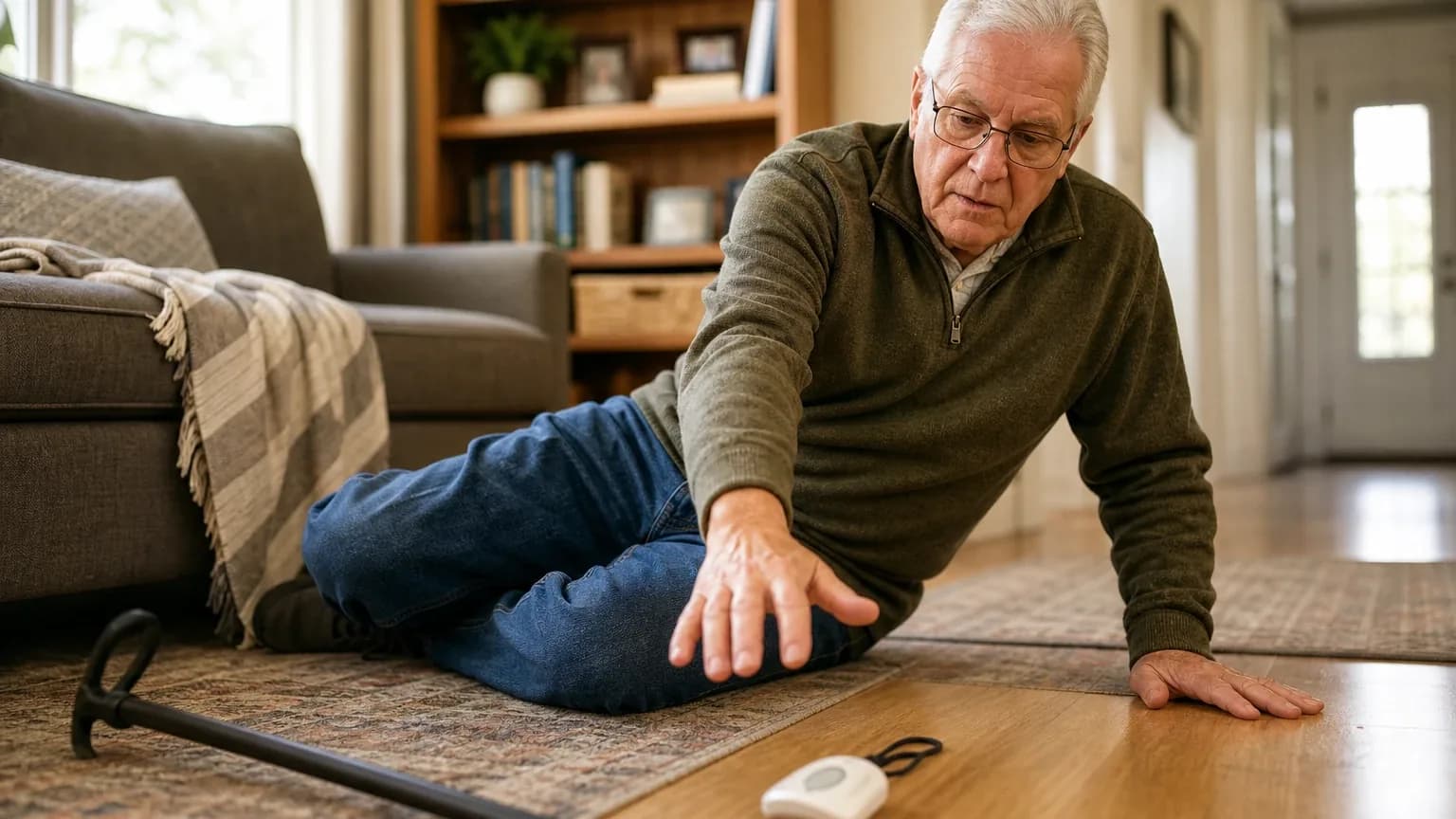
LifeFone is a good but not conclusively best-in-class fit for Automatic Fall Detection, according to the AI platforms that evaluated it. Five of seven platforms named LifeFone in the ranking stage, with an average listed rank of 5.8 and a best rank of 4. The strongest reason to consider LifeFone is its low-cost $5-per-month fall-detection add-on, which is roughly half the industry average, paired with 24/7 U.S.-based monitoring and no stated activation or equipment fees. The main limitation is that LifeFone's approximately 95% detection claim is company-reported and not independently validated; independent tests cited by one platform showed substantially lower detection rates. Buyers should verify exact pricing, coverage, and pendant wearability before committing.
Research Snapshot
| Metric | Value |
|---|---|
| Platform mentions in ranking stage | 5 of 7 platforms |
| Share of included platform responses | 71.4% |
| Average listed rank | 5.8 |
| Best listed rank | 4 |
| Relevant product/model/plan | At-Home Cellular with optional Fall Detection; VIPx2 At-Home & On-the-Go with optional Fall Detection |
| Overall use-case fit | Good (with significant verification caveats) |
| Research date | 2026-08-03 |
Why LifeFone Qualified for This Study
Question This Section Answers
- Does LifeFone offer automatic fall detection on both the At-Home Cellular and VIPx2 At-Home & On-the-Go systems for seniors at high risk of falling?
LifeFone qualified because it offers automatic fall detection as an optional add-on across multiple product lines, including the At-Home Cellular system and the VIPx2 At-Home & On-the-Go device. The company markets fall detection as an automatic feature that does not require a manual button press, which aligns directly with the use case of seniors at high risk of falling who may be unable to press a help button after a fall [1]. LifeFone also operates 24/7 U.S.-based monitoring centers and uses cellular networks rather than landlines, which supports both in-home and on-the-go crisis response [3].
The Product, Model, Plan, or Service Most Relevant to Automatic Fall Detection
The most relevant products are the At-Home Cellular system with the optional Fall Detection add-on and the VIPx2 At-Home & On-the-Go system with optional Fall Detection. The At-Home Cellular system uses LifeFone's cellular service on AT&T and does not require the buyer to own a landline or cell phone [5]. The VIPx2 adds on-the-go capability, GPS-related functionality, and an optional caregiver app [6]. Fall detection is an add-on, not a standard feature, on both systems [7].
What the AI Platforms Agreed About
Questions This Section Answers
- How much does LifeFone's fall detection add-on cost per month, and is it included or optional on the At-Home Cellular and VIPx2 systems?
- Does LifeFone require a long-term contract for its fall detection service, and what cancellation and trial terms apply?
Fall Detection Is an Optional, Low-Cost Add-On
All seven platforms that evaluated LifeFone agreed that fall detection is an optional add-on rather than a standard feature. Multiple platforms independently reported the add-on costs $5 per month [9]. One platform noted this is roughly half the industry average for fall-detection add-ons [10]. The add-on is available across multiple system tiers, including At-Home Cellular and VIPx2 [13].
No Long-Term Contract Required
Four platforms noted that LifeFone does not require long-term contracts. The company states customers can cancel at any time and offers a 30-day free trial [15]. One platform noted a 30-day money-back guarantee and price-lock as additional terms [10]. Equipment must be returned upon cancellation [17].
24/7 U.S.-Based Monitoring
Multiple platforms confirmed LifeFone provides 24/7 professional monitoring from U.S.-based response centers [18]. LifeFone states its centers answer calls in an average of 15 seconds [18]. One platform noted the company allows customized emergency care instructions, with notifications sent via phone, email, or text [17].
Cellular Coverage on Major Networks
LifeFone's at-home systems use cellular networks rather than landlines. The At-Home Cellular system uses AT&T, and some mobile configurations offer AT&T or Verizon [15]. Coverage varies by location and should be verified by ZIP code [16].
Fall Detection Reduces Battery Life
Adding fall detection to at-home pendant devices reduces the help-button battery life to approximately one year [15]. The At-Home Cellular base station has up to 32 hours of backup power during an outage [15]. One platform reported up to 10-day battery life for certain VIPx devices [14].
Where the AI Platforms Disagreed or Were Uncertain
Questions This Section Answers
- How does LifeFone's claimed 95% fall detection accuracy compare with independent NCOA and SafeWise test results cited by the AI platforms?
- Why did some AI platforms rate LifeFone's fall detection fit as uncertain or mixed, and what pricing and product-naming conflicts should buyers verify?
Fall-Detection Accuracy: Company Claims vs. Independent Tests
This is the most significant disagreement among platforms. LifeFone states that approximately 95% of falls are detected and expressly warns that subtle falls may be missed [20]. However, one platform cited independent tests showing substantially lower detection rates: NCOA tests detected 2 of 3 falls, and SafeWise tests detected more than half but not all falls [22]. The same platform noted the company's ~95% claim conflicts with independent test results showing roughly 50-66% detection [22]. No platform identified an independent, standardized validation of the 95% figure [20].
Overall Fit Rating: Good to Uncertain
Platform fit ratings varied: Google rated LifeFone "strong," OpenAI, DeepSeek, and Perplexity rated it "good," Grok rated it "mixed," and Anthropic and Kimi rated it "uncertain" (fit_ratings_by_platform). The "uncertain" ratings stem primarily from the lack of publicly disclosed accuracy data and the failure to retrieve the official website during one platform's research [23].
Pricing Transparency
Platforms disagreed on pricing transparency. Google reported high pricing confidence, citing a flat $5 monthly fall-detection fee and base plans ranging from roughly $40 to $50 per month [26]. OpenAI reported moderate confidence, citing approximately $35.95 per month for At-Home Cellular with fall detection on annual billing [27]. DeepSeek and Kimi reported low confidence, noting that exact pricing was not publicly listed and required sales calls [28]. Perplexity noted that public sources conflict on exact plan names and base prices [29].
Product Naming Confusion
Platforms referenced multiple product names—VIPx, VIPx2, At-Home Cellular, At-Home & On-the-Go—without consistent agreement on which models are current. OpenAI noted that current product naming includes VIPx2, while some independent 2026 pricing tables still list VIPx [27]. Kimi could not confirm whether VIPx, VIPx2, or At-Home Cellular names reflect current offerings [25].
False-Alarm Cancellation Protocol
OpenAI provided specific details: the fall-detection pendant can generally be canceled by pressing and holding the button for approximately five seconds, and if cancellation is unsuccessful, the user should tell the response operator it was a false alarm [30]. Other platforms reported this protocol as undocumented or unclear [23]. DeepSeek noted the monitoring center allows users to cancel an alert but provided no specific time window [28].
Use-Case-Specific Features and Capabilities
Question This Section Answers
- What pendant wear requirements and battery life should buyers expect from LifeFone's fall detection, and how does the false-alarm cancellation protocol work?
Fall-Detection Accuracy Rate
LifeFone states that approximately 95% of falls are detected and its terms expressly state the service does not detect 100% of falls [31]. Subtle, slow, or unusual falls may be missed [31]. Independent tests cited by one platform showed lower detection rates of roughly 50-66% [33]. The 95% figure is a company claim without identified independent validation [31].
False-Alarm Frequency and Cancellation
LifeFone states that approximately 70% of users experience zero false alarms in a month and 95% experience four or fewer [31]. More active users are more likely to trigger false alarms [31]. These are company-reported figures, not independently validated [31]. The pendant can be canceled by pressing and holding the button for approximately five seconds [35]. Dropping or handling the pendant roughly may trigger an alarm [35].
Pendant Comfort and Wear Requirements
The fall-detection device is a necklace pendant, not a wristband. LifeFone recommends wearing it outside clothing at chest level with the button facing forward [35]. Wearing it under clothing may reduce detection [35]. Specific weight, dimensions, and comfort ratings were not established in the reviewed sources [31]. DeepSeek described the pendant as lightweight and waterproof but provided no specific dimensions [36].
Response-Center Speed
LifeFone states its U.S.-based, 24/7 monitoring centers answer calls in an average of 15 seconds [37]. This is a company claim and does not establish total time to dispatch or emergency-arrival time [37]. DeepSeek reported a claim of average answer times under 30 seconds but noted limited independent verification [36]. No platform identified a published service-level agreement or monitoring center certification [34].
Cellular Coverage
The At-Home Cellular system uses LifeFone cellular service on AT&T [31]. Some mobile configurations offer AT&T or Verizon [31]. Coverage should be checked by ZIP code and confirmed at the residence and common travel locations [31]. LifeFone provides a coverage check on its website [36].
Battery Life
Adding fall detection to an at-home or at-home-and-on-the-go device may reduce the help-button battery life to approximately one year [31]. The At-Home Cellular base station has up to 32 hours of backup power during an outage [31]. One platform reported up to 10-day battery life for certain VIPx devices [38]. DeepSeek reported pendant battery life of up to 5 years and base-unit backup of 20-30 hours, but these figures conflict with other platforms and were not independently verified [36].
Monitoring and Escalation
The response center uses the subscriber's emergency-care instructions and may contact the subscriber, designated contacts, or emergency authorities according to the situation [40]. If voice contact is unavailable after an alarm, the contractual language allows LifeFone to use its judgment about notifying responders [32]. The VIPx2 adds an optional caregiver app at $8 per month [41].
Pricing, Fees, Contracts, and Ongoing Costs
Question This Section Answers
- What is the reported monthly cost of LifeFone's At-Home Cellular and VIPx plans with fall detection, and which pricing figures remain unverified?
Known Costs
| Item | Reported Cost | Source |
|---|---|---|
| Fall detection add-on | $5 per month | [43], [44], [45], [46] |
| At-Home Cellular with fall detection | ~$35.95/month (annual billing) | [43] |
| VIPx with fall detection | ~$44.95/month (annual billing) | [43] |
| Caregiver app | $8 per month | [43], [47] |
| Equipment protection plan | $5 per month | [43], [47] |
| Activation/equipment fees | None stated | [43], [44], [48] |
Contract and Cancellation Terms
LifeFone states customers can cancel at any time and a 30-day free trial is available [49]. Cancellation can be requested by phone, email, or physical mail [49]. A 30-day money-back guarantee and price-lock are also reported [44]. Equipment must be returned upon cancellation [47]. Billing-cycle refund rules, return deadlines, and prorated refunds should be confirmed in the current agreement [49].
Pricing Conflicts
Pricing confidence varies significantly by platform. Google reported high confidence with base plans ranging from roughly $40 to $50 per month [45]. OpenAI reported moderate confidence with At-Home Cellular at approximately $35.95 per month on annual billing [43]. DeepSeek and Kimi reported low confidence, noting pricing was not publicly listed and required sales calls [50]. Perplexity noted that some sources show different base prices and some mobile plan/fall-detection combinations appear inconsistent across public pages [52]. Exact VIPx2 pricing was not clearly verified from the official product page [43].
Best Suited For
Question This Section Answers
- Which buyers is LifeFone best suited for, such as high-risk seniors, at-home cellular users, or budget-conscious caregivers wanting a $5 fall detection add-on?
LifeFone is best suited for:
- High-risk seniors who may be unable to press a help button after a fall, since fall detection provides automatic alerts with a manual backup button [53]
- At-home users needing a cellular connection instead of a landline, since the At-Home Cellular system does not require the buyer to own a landline or cell phone [53]
- Caregivers wanting optional GPS and caregiver-app features through the VIPx2 [54]
- Budget-conscious buyers prioritizing a low-cost $5 monthly fall-detection add-on and no stated equipment or activation fee [55]
- Buyers who value cancel-anytime service and no long-term contracts [57]
Probably Not Best Suited For
Question This Section Answers
- Which buyers should avoid LifeFone for fall detection, including those needing independently validated accuracy, wheelchair users, or seniors unwilling to wear a chest-level pendant?
LifeFone is probably not best suited for:
- Buyers requiring independently validated fall-detection performance, since the 95% claim is company-reported and independent tests showed lower rates [58]
- Highly active users who may find false alarms disruptive, since more active users are more likely to trigger false alarms [58]
- Users unwilling or unable to wear a chest-level necklace pendant, since the fall-detection device is a pendant, not a wristband [60]
- Users needing a very long wearable battery interval without regular charging, since fall detection reduces battery life to approximately one year on at-home configurations [58]
- Wheelchair users, since one platform noted the system may not detect falls from chairs or wheelchairs reliably [59]
When Another Option May Be Better
Consider alternatives when:
- Independently audited fall-detection performance data is required. One platform suggested KamiCare with a claimed 99.5% accuracy rate and human verification, or Apple Watch with native Fall Detection and Emergency SOS satellite [62].
- A smartwatch-based option is preferred when the user will reliably charge and wear a watch and wants broader health or activity features [64].
- Verified coverage on the user's regular routes is stronger on a different cellular network [64].
- A lower-maintenance wearable is needed when the senior is unlikely to wear a pendant outside clothing or remember charging routines [64].
- Fall detection bundled into the base package price is preferred without an add-on fee [65].
- A zero-return equipment purchase model is desired where hardware is permanently owned [65].
Questions to Verify Before Buying
- Is the exact device the At-Home Cellular system, VIPx, or VIPx2, and what is the all-in monthly and annual price with fall detection? [66]
- Which cellular network will serve the buyer's ZIP code and indoor locations, and can LifeFone perform a live coverage test? [66]
- What types of falls are most likely to be missed, and what testing supports the approximately 95% detection claim? [66]
- What is the expected false-alarm rate for a user who walks frequently, transfers from chairs, or uses stairs? [66]
- Can the pendant's automatic alarm be canceled locally, and how many seconds are available before operator escalation? [68]
- What is the exact pendant battery life with fall detection, how are low batteries handled, and is replacement free for this specific model? [66]
- Does the system call the monitoring center first, family contacts first, or emergency services first after an automatic fall alert? [70]
- What is the current average and worst-case call-answering time, and is any response time contractually guaranteed? [71]
- What are the current monthly fees for the caregiver app, protection plan, replacement equipment, taxes, and any deductible? [72]
- What are the 30-day trial return requirements, refund rules, and cancellation procedures for the selected billing plan? [66]
Final AI Consensus Verdict
LifeFone is a good, but not conclusively best-in-class, fit for automatic fall detection in the United States. The AI platforms reached a majority consensus that LifeFone is attractive for buyers wanting monitored automatic alerts, a manual backup button, cellular or mobile coverage, and a relatively inexpensive $5 monthly fall-detection add-on. The company's stated approximately 95% detection rate, 24/7 U.S.-based monitoring, and average 15-second call-answering time are relevant strengths for automated crisis response.
However, the fit is reduced by several factors. The 95% detection figure is a company claim without identified independent validation, and one platform cited independent tests showing substantially lower detection rates of roughly 50-66% [74]. False alarms remain possible, especially for active users. Fall detection reduces pendant battery life to approximately one year. Exact VIPx2 pricing, replacement deductibles, and detailed refund terms were not fully verified. The published 15-second figure concerns call answering, not end-to-end dispatch or emergency-arrival time.
The purchase should be conditioned on confirming coverage, exact VIPx2 pricing, pendant wearability, battery replacement arrangements, and the limits of the company-reported 95% detection figure [75]. For buyers prioritizing evidence-based fall-detection performance and transparent service guarantees, LifeFone cannot be recommended without direct inquiry to the company for verification of accuracy, response protocols, and certification status [76].
For a broader comparison of top-rated systems, see the Automatic Fall Detection consensus index. You can also browse other medical alert systems in the category directory.
How This Review Was Produced
This review was produced by aggregating fit-research responses from seven AI platforms: OpenAI, Anthropic, DeepSeek, Grok, Kimi, Perplexity, and Google. Each platform evaluated LifeFone against the use case of automatic fall detection for seniors at high risk of falling or caregivers prioritizing automated crisis response without manual button presses. The evaluation criteria included fall-detection accuracy rate, false-alarm cancellation protocol, pendant comfort, response center speed, cellular coverage, battery life, and monthly fees.
Five of the seven platforms named LifeFone in the ranking stage. The platforms' listed ranks were: Grok at 4, OpenAI at 4, Anthropic at 5, Kimi at 7, and DeepSeek at 9, producing an average rank of 5.8 and a best rank of 4. The authoritative research date for this study is 2026-08-03.
Methodology Limitations
Several limitations apply to this review:
-
Company-owned citations materially outnumber independent citations. Of the 25 deduplicated sources, 17 are company-owned and 8 are independent. Company claims such as the 95% detection rate and 15-second call-answering time should not be treated as independently verified (citation_source_ownership_counts).
-
Platform-reported research dates differ from the authoritative run date. Anthropic's research was dated 2026-01-15 and DeepSeek's was dated 2026-04-16, while the authoritative run date is 2026-08-03. This means some platform findings may reflect older information (platform_date_discrepancies).
-
The official website was not retrievable during one platform's research. Kimi reported that lifefone.com was not retrievable during its research, and no independent testing data was found in its search results [77]. The official website was recovered from persisted ranking evidence.
-
The supplied URLs were collected from platform responses and were not independently validated by the writer stage.
-
No platform claimed personal testing of LifeFone devices. Grok cited independent tests from NCOA and SafeWise, but these were conducted by third-party reviewers, not by the AI platforms themselves [78].
-
AI-platform agreement does not prove product quality. The consensus described in this review reflects what the platforms found in their research, not independent verification of LifeFone's performance.
-
Conflicting product names, pricing, and capabilities were not resolved by guessing. The review describes these conflicts and tells buyers what to verify.
Sources
Company-Owned Sources
- Fall Detection App — Automatic Phone Fall Detection, No Watch or Pendant | I'm Alive: https://imalive.co/fall-detection-app
- AI Fall Detection for Hospitals & Senior Living | IntelliSee: https://intellisee.com/solutions/fall-detection/
- AI Fall Detection for Senior Living Communities | KamiCare: https://kamivision.com/en-us/fall-detection/assisted-living-kamicare
- Use Fall Detection with Apple Watch - Apple Support: https://support.apple.com/en-us/108896
- Theora Connect Wearable - Theora Care: https://theoracare.com/product/theora-connect-wearable/
- FallCall Older Adult Monitoring and Fall Detection Apps: https://www.fallcall.com/
- US Fallcall Detect Terms and Conditions: https://www.fallcall.com/Docs/FallCallDetect-Terms-and-Conditions
- LifeFone Official Website - Product Pages and Service Descriptions: https://www.lifefone.com/
- At-Home Cellular Medical Alert - LifeFone: https://www.lifefone.com/at-home-cellular
- At-Home Cellular Medical Alert - LifeFone: https://www.lifefone.com/at-home-cellular-medical-alert/
- FAQ's | Medical Alert | LifeFone: https://www.lifefone.com/faq
- FAQ's | Medical Alert - LifeFone: https://www.lifefone.com/faqs/
- Medical Alert Services User Guide: https://www.lifefone.com/media/pdf/manuals/At_Home_and_on_the_Go_user-guide_green.pdf
- Medical Alert Service - At-Home & On-the-Go VIPx2: https://www.lifefone.com/medical-alert-service/vipx2-voice-in-pendant
- Order Now | Medical Alert - LifeFone: https://www.lifefone.com/order-now
- Terms & Conditions | Medical Alert | LifeFone: https://www.lifefone.com/terms-and-conditions
- Emergency Response Centers | Medical Alert | LifeFone: https://www.lifefone.com/us-response-centers
Additional AI research evidence79 records
- AI research evidence record openai:c5
- AI research evidence record anthropic:c1
- AI research evidence record openai:c4
- AI research evidence record deepseek:c1
- AI research evidence record openai:c1
- AI research evidence record openai:c5
- AI research evidence record anthropic:c1
- AI research evidence record perplexity:c1
- AI research evidence record openai:c6
- AI research evidence record grok:c2
- AI research evidence record google:c1
- AI research evidence record perplexity:c2
- AI research evidence record anthropic:c1
- AI research evidence record perplexity:c1
- AI research evidence record openai:c1
- AI research evidence record deepseek:c1
- AI research evidence record google:c3
- AI research evidence record openai:c4
- AI research evidence record google:c2
- AI research evidence record openai:c1
- AI research evidence record openai:c2
- AI research evidence record grok:c1
- AI research evidence record anthropic:c1
- AI research evidence record perplexity:c5
- AI research evidence record kimi:c1
- AI research evidence record google:c1
- AI research evidence record openai:c6
- AI research evidence record deepseek:c1
- AI research evidence record perplexity:c1
- AI research evidence record openai:c3
- AI research evidence record openai:c1
- AI research evidence record openai:c2
- AI research evidence record grok:c1
- AI research evidence record anthropic:c1
- AI research evidence record openai:c3
- AI research evidence record deepseek:c1
- AI research evidence record openai:c4
- AI research evidence record perplexity:c1
- AI research evidence record google:c2
- AI research evidence record openai:c5
- AI research evidence record openai:c6
- AI research evidence record google:c3
- AI research evidence record openai:c6
- AI research evidence record grok:c2
- AI research evidence record google:c1
- AI research evidence record perplexity:c2
- AI research evidence record google:c3
- AI research evidence record perplexity:c3
- AI research evidence record openai:c1
- AI research evidence record deepseek:c1
- AI research evidence record kimi:c1
- AI research evidence record perplexity:c1
- AI research evidence record openai:c1
- AI research evidence record openai:c5
- AI research evidence record grok:c2
- AI research evidence record openai:c6
- AI research evidence record deepseek:c1
- AI research evidence record openai:c1
- AI research evidence record grok:c1
- AI research evidence record openai:c3
- AI research evidence record google:c2
- AI research evidence record kimi:c1
- AI research evidence record kimi:c2
- AI research evidence record openai:c1
- AI research evidence record google:c1
- AI research evidence record openai:c1
- AI research evidence record deepseek:c1
- AI research evidence record openai:c3
- AI research evidence record google:c2
- AI research evidence record openai:c5
- AI research evidence record openai:c4
- AI research evidence record openai:c6
- AI research evidence record google:c3
- AI research evidence record grok:c1
- AI research evidence record openai:c1
- AI research evidence record anthropic:c1
- AI research evidence record kimi:c1
- AI research evidence record grok:c1
- AI research evidence record grok:c2
Independent Sources
- LifeFone Medical Alert System Review 2026: https://realestate.usnews.com/home-services/medical-alert-system/lifefone
- LifeFone Medical Alert System Review 2026: https://www.caring.com/senior-products/best-medical-alert-systems/lifefone
- LifeFone Medical Alert System Review: What Experts Say - Forbes: https://www.forbes.com/health/aging/lifefone-medical-alert-system-review/
- LifeFone Medical Alert Review 2025: Affordable Fall Detection and On-the-Go Systems: https://www.ncoa.org/adviser/medical-alert-systems/lifefone-review/
- The Best Medical Alert Systems with Fall Detection (2026: https://www.ncoa.org/product-resources/medical-alert-systems/best-medical-alert-systems-with-fall-detection/
- LifeFone Medical Alerts Hands-On Expert Review: https://www.safewise.com/senior-safety/medical-alerts/lifefone/
- LifeFone Medical Alert System Review 2026 - SeniorLiving.org: https://www.seniorliving.org/medical-alert-systems/lifefone/reviews/
Additional AI research evidence79 records
- AI research evidence record openai:c5
- AI research evidence record anthropic:c1
- AI research evidence record openai:c4
- AI research evidence record deepseek:c1
- AI research evidence record openai:c1
- AI research evidence record openai:c5
- AI research evidence record anthropic:c1
- AI research evidence record perplexity:c1
- AI research evidence record openai:c6
- AI research evidence record grok:c2
- AI research evidence record google:c1
- AI research evidence record perplexity:c2
- AI research evidence record anthropic:c1
- AI research evidence record perplexity:c1
- AI research evidence record openai:c1
- AI research evidence record deepseek:c1
- AI research evidence record google:c3
- AI research evidence record openai:c4
- AI research evidence record google:c2
- AI research evidence record openai:c1
- AI research evidence record openai:c2
- AI research evidence record grok:c1
- AI research evidence record anthropic:c1
- AI research evidence record perplexity:c5
- AI research evidence record kimi:c1
- AI research evidence record google:c1
- AI research evidence record openai:c6
- AI research evidence record deepseek:c1
- AI research evidence record perplexity:c1
- AI research evidence record openai:c3
- AI research evidence record openai:c1
- AI research evidence record openai:c2
- AI research evidence record grok:c1
- AI research evidence record anthropic:c1
- AI research evidence record openai:c3
- AI research evidence record deepseek:c1
- AI research evidence record openai:c4
- AI research evidence record perplexity:c1
- AI research evidence record google:c2
- AI research evidence record openai:c5
- AI research evidence record openai:c6
- AI research evidence record google:c3
- AI research evidence record openai:c6
- AI research evidence record grok:c2
- AI research evidence record google:c1
- AI research evidence record perplexity:c2
- AI research evidence record google:c3
- AI research evidence record perplexity:c3
- AI research evidence record openai:c1
- AI research evidence record deepseek:c1
- AI research evidence record kimi:c1
- AI research evidence record perplexity:c1
- AI research evidence record openai:c1
- AI research evidence record openai:c5
- AI research evidence record grok:c2
- AI research evidence record openai:c6
- AI research evidence record deepseek:c1
- AI research evidence record openai:c1
- AI research evidence record grok:c1
- AI research evidence record openai:c3
- AI research evidence record google:c2
- AI research evidence record kimi:c1
- AI research evidence record kimi:c2
- AI research evidence record openai:c1
- AI research evidence record google:c1
- AI research evidence record openai:c1
- AI research evidence record deepseek:c1
- AI research evidence record openai:c3
- AI research evidence record google:c2
- AI research evidence record openai:c5
- AI research evidence record openai:c4
- AI research evidence record openai:c6
- AI research evidence record google:c3
- AI research evidence record grok:c1
- AI research evidence record openai:c1
- AI research evidence record anthropic:c1
- AI research evidence record kimi:c1
- AI research evidence record grok:c1
- AI research evidence record grok:c2