
Answer Capsule
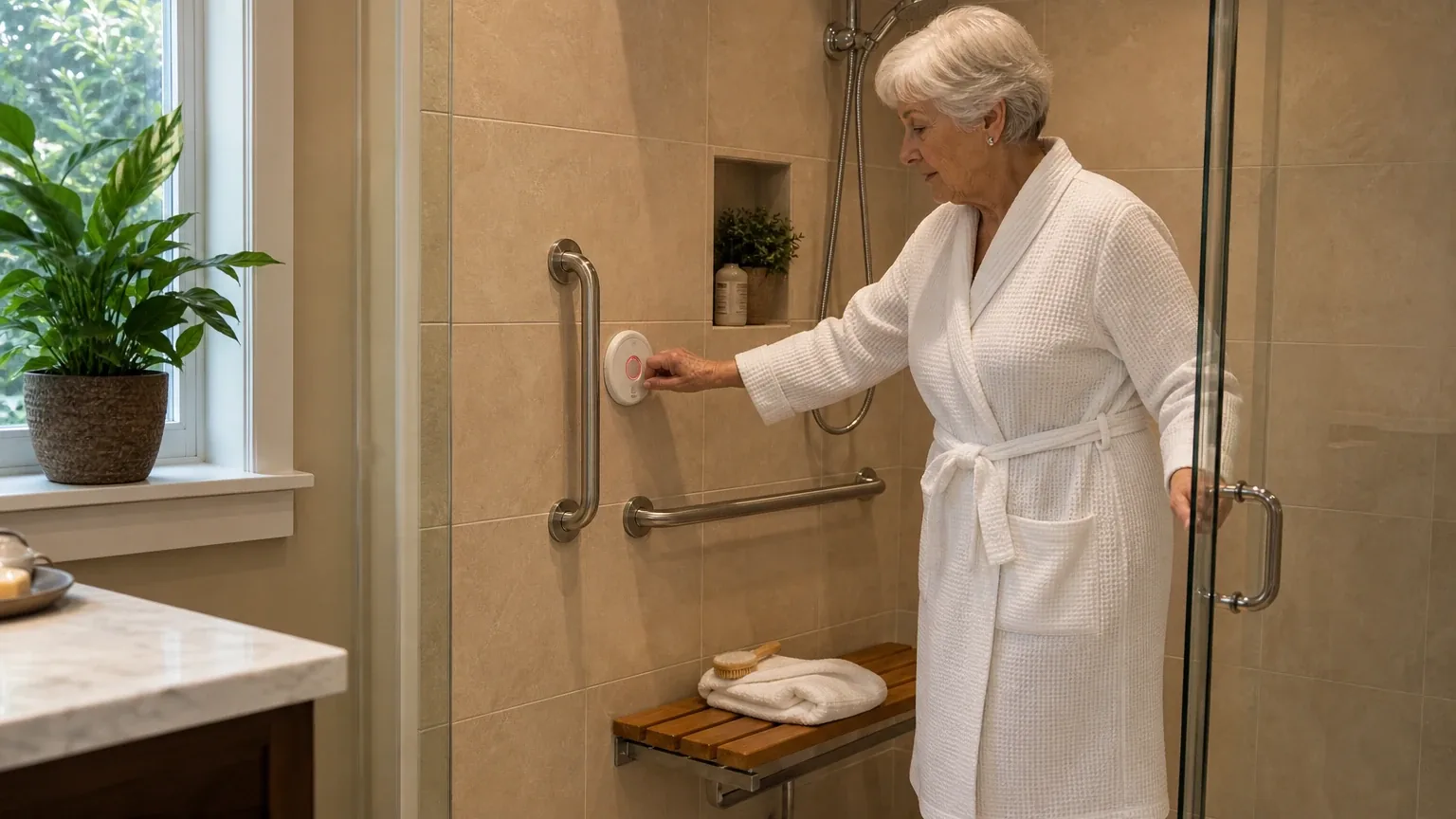
ADT Health is a good fit for bathroom and shower emergency protection, but not a perfect one. Four of the seven platforms that evaluated this use case named ADT Health during ranking discovery, and those four placed it at an average listed rank of 3.25, with one first-place listing. The strongest reason to consider it is a documented waterproof wearable claim: ADT states its pendants and wristbands are waterproof for shower and bathtub use, submersible to 3 feet for up to 30 minutes, and it sells a separate waterproof wall button for bathroom mounting [1]. The main limitation is that ADT does not publish a quantified monitoring response-time commitment in the reviewed materials, and standard pendant or wristband battery life is not clearly specified [4].
Research Snapshot
| Field | Finding |
|---|---|
| Platform mentions in ranking stage | 4 of 7 configured platforms (google, grok, kimi, perplexity) |
| Share of included platform responses | 57.1% |
| Average listed rank | 3.25 |
| Best listed rank | 1 (perplexity) |
| Relevant product/model/plan | Medical Alert Plus with waterproof pendant or wristband, optional Fall Detection Pendant, and Waterproof Wall Mount Button; On-The-Go when protection is also needed outside the home |
| Overall use-case fit | Good (four platforms rated good, one strong, two mixed) |
| Research date | 2026-09-27 |
What Changed Since August 2026
ADT Health remained at No. 4, and platform mentions increased from 2 to 4. For a shower-safety buyer, the September 2026 review changes the ADT Health story less than the rewrite suggests. The recommended setup is still Medical Alert Plus with a waterproof pendant or wristband and the optional Waterproof Wall Mount Button, and the bathroom fit assessment remains good rather than best. What shifted most is the evidence presented: the review now cites $37.99 per month as a newly reported monitored rate, while $119.97 is no longer repeated. The article also notes an 18-month battery figure for the fall-detection pendant, a measurement that bears on replacement timing. Pricing and battery specifics remain worth confirming in writing before purchase. Differences between the two editions reflect what each article reports; they do not by themselves prove that the product, service, or price changed.
The August 2026 review preserves the earlier article for reference.
Why ADT Health Qualified for This Study
Questions This Section Answers
- Why did ADT Health qualify for a waterproof medical alert ranking when only four platforms named it?
- Does ADT Health meet the minimum evidence threshold for a bathroom and shower emergency protection review?
ADT Health qualified because it cleared the study's minimum-mention threshold and because the ranking-stage product names map directly onto the bathroom use case. Four of the seven configured platforms named ADT Health during ranking discovery — google, grok, kimi, and perplexity — which is 57.1% of included platform responses and above the two-mention minimum [6].
The qualification is not just brand recognition. The ranking-stage product names included an "In-the-Bathroom wall button," a waterproof pendant, and a fall-detection pendant, all of which are bathroom-relevant configurations rather than generic medical alert plans [10]. ADT Health also appeared in the broader Bathroom & Shower Emergency Protection consensus set, which is why it is reviewed here as a niche fit rather than as a general company profile.
One qualification caveat belongs here. The available source evidence notes that official-site retrieval failed for at least one mention and that the identity was resolved through an unverified reported-domain evidence, with the reported domain retained but unverified. That means the domain mapping behind these citations was not independently confirmed at the writer stage.
The Product, Model, Plan, or Service Most Relevant to Bathroom & Shower Emergency Protection
Questions This Section Answers
- Which ADT Health plan should a buyer choose if they need a wearable help button that works in the shower?
- Is the ADT Health Waterproof Wall Mount Button included in Medical Alert Plus, or is it a separate monthly add-on?
- Does ADT Health On-The-Go work as a shower system, or is it only for protection outside the home?
The most relevant configuration is Medical Alert Plus with a waterproof neck pendant or wristband, plus the optional Waterproof Wall Mount Button positioned in or near the shower. Medical Alert Plus is the in-home cellular plan; On-The-Go is the mobile plan and is generally more relevant when the buyer also needs protection away from home [12].
ADT states that its medical alert pendant and wristband are waterproof for shower and bathtub use, with submersion up to 3 feet for up to 30 minutes, and the waterproof button is identified as IP67 in ADT terms [12]. The Waterproof Wall Mount Button can be mounted on a wall or placed on a tabletop and is described as suitable for a shower or bedside table. It has no speaker; two-way communication happens through the Medical Alert Plus or On-The-Go base unit [18].
The optional Fall Detection Pendant is a separate neck-worn device. ADT states it can alert the monitoring center without a button press but does not detect 100% of falls [18]. On-The-Go uses integrated fall detection built into the mobile device rather than a separate pendant, and its mobile unit carries a lower IP57 water-resistance rating — water-resistant, not fully submersible [16].
Naming is inconsistent across sources. The ranking-stage product names include an "In-the-Bathroom wall button," while current ADT materials reviewed here call it the "Waterproof Wall Mount Button" [12]. Buyers should treat these as the same accessory and confirm the exact name on the order.
What the AI Platforms Agreed About
Questions This Section Answers
- Do AI platforms agree that ADT Health wearables are actually waterproof enough for shower use?
- Is ADT Health's waterproof wall button a genuine bathroom solution or just a marketing label?
Agreement was strong on water resistance. Multiple platforms reported that ADT describes its pendants and wristbands as waterproof for shower and bathtub use, with submersion to 3 feet for up to 30 minutes, and that the wall button carries an IP67 rating [24]. This is a company-owned claim repeated across ADT pages, not an independent lab result.
Agreement was also strong that a fixed bathroom button exists as a second access point. Platforms described a waterproof wall-mount button that can be placed in the shower area or on a tabletop, with communication routed through the base unit rather than the button itself [27].
Platforms broadly agreed that fall detection is optional and imperfect. ADT offers it as an add-on for Medical Alert Plus and On-The-Go, and ADT itself states it does not detect 100% of falls [27].
Platforms also agreed on the commercial shape: month-to-month monitoring, no long-term contract required, and no termination fees stated on ADT's medical alert terms page [31].
Where the AI Platforms Disagreed or Were Uncertain
Questions This Section Answers
- Why do AI platforms disagree about ADT Health's response time and battery life for shower use?
- Is ADT Health's waterproof claim verified, or is it only a company statement?
Fit ratings diverged. Grok rated ADT Health a strong fit; openai, anthropic, google, and perplexity rated it good; deepseek and kimi rated it mixed. That spread reflects evidence gaps rather than a dispute about the core waterproof claim.
Response time is the clearest conflict. Anthropic reported an average response time of 15 seconds or less, and google reported a third-party test average of 14 seconds [34]. OpenAI reported that ADT uses broad "fast" or "immediate" language without a numeric response-time service level in the reviewed sources, and perplexity reported that public sources do not verify average response-center speed [36]. The numeric figures come from company and review sources; no independent service-level commitment was supplied.
Battery life is partly unresolved. The fall-detection pendant guide lists battery life up to 18 months, and one platform reported approximately 18 months for pendants and wristbands generally [38]. OpenAI stated that battery life for the standard waterproof pendant or wristband was not clearly specified in the reviewed current product materials [38].
Water-resistance verification is uneven. Deepseek and kimi reported that no numeric IP rating for the wearable pendant could be verified in their reviewed sources, while other platforms reported IP67 [40]. The IP67 figure traces to ADT-owned pages and terms, so it is company-reported rather than independently certified in this evidence set.
Pricing conflicts exist. ADT pages show both $99 and $99.99 activation-fee references, and promotional pricing may differ by billing frequency, promotion code, location, and purchase date [44]. Wall-button pricing also conflicted: some sources list $2.99 per month per button, while another review noted promotional free online ordering with quarterly monitoring [43].
Use-Case-Specific Features and Capabilities
Questions This Section Answers
- What water-resistance rating does the ADT Health pendant carry, and how long can it stay submerged?
- Can a senior talk to the ADT monitoring center from inside the shower after pressing the wall button?
- Does ADT Health fall detection work in a wet bathroom, and what are its limits?
Water resistance is the headline capability. ADT states its medical alert pendant and wristband are waterproof for shower and bathtub use, submersible up to 3 feet for up to 30 minutes, and the waterproof button is identified as IP67 in ADT terms [48]. The fall-detection pendant is also described as waterproof and wearable in the shower, with submersion to 1 meter noted in one source [52].
Button accessibility when wet is addressed two ways. The wearable button is designed to be worn into the shower, and the fixed wall button provides a second access point for users who forget the wearable [48]. The wall button has no speaker, so two-way voice happens through the base unit after the press [55].
Fall detection is available but limited. It is an optional add-on for Medical Alert Plus and On-The-Go, uses a separate neck-worn pendant on Medical Alert Plus, and ADT states it does not detect 100% of falls [55]. One platform noted fall detection is pendant-form only, not wristband, which ADT frames as a way to reduce false alarms from arm movement [52].
Range and wearability details vary by source. Reported pendant range from the Medical Alert Plus base station ranges from 150 feet to 600 feet depending on the source, and the fall-detection pendant is listed at approximately 1 ounce with an adjustable, breakaway lanyard [58]. Independent comfort testing in wet use was not found.
Pricing, Fees, Contracts, and Ongoing Costs
Questions This Section Answers
- How much does ADT Health Medical Alert Plus cost per month, and what does the waterproof wall button add?
- Are there ADT Health activation or cancellation fees for a shower-focused medical alert plan?
- What is the cheapest ADT Health configuration that still covers the bathroom and shower?
Medical Alert Plus is listed at $39.99 per month with monthly billing, or $37.99 per month equivalent when billed quarterly or annually, subject to promotions and change [62]. On-The-Go is listed at $41.99 per month monthly, or $39.99 per month with quarterly or annual billing [62].
Add-ons materially change the total. Optional fall-detection monitoring is listed at $11 per month per pendant, and the Waterproof Wall Mount Button is listed at $2.99 per month per button [62]. An additional standard pendant or wristband is listed at $14.99 one-time plus $3 per month monitoring per accessory [62].
Activation and contract terms are favorable but not fully stable. ADT pages show an activation fee of approximately $99, with $99.99 appearing in terms documentation, and current promotions may waive it [62]. ADT states a month-to-month agreement with no long-term contract required and no termination fees [62]. Taxes are excluded from listed prices, professional installation may cost extra, and the system remains ADT property [62].
Pricing confidence is moderate overall. One platform rated it high, one moderate, and one low, with the low rating tied to sources that could not find published rates [63]. Buyers should treat every figure as a quote to verify at checkout.
Best Suited For
Questions This Section Answers
- Who gets the most value from ADT Health for bathroom and shower emergency protection?
- Is ADT Health a good choice for a senior who wants a fixed waterproof button in the shower?
ADT Health is best suited to seniors who want a wearable button they can keep on in the shower or bathtub, and who want a fixed waterproof wall button as a backup in the bathroom [68]. It also fits in-home users who want optional automatic fall detection and do not require a documented response-time service level [71].
Households that prefer month-to-month monitoring rather than a long-term contract are a good match, since ADT states no long-term contract is required and no termination fees apply [73]. Buyers who want a cellular in-home system without a landline also fit, provided address-specific coverage checks out [73].
Probably Not Best Suited For
Questions This Section Answers
- Who should not choose ADT Health for shower and bathroom fall protection?
- Is ADT Health a poor fit for a buyer who needs a guaranteed response time or a fully submersible mobile unit?
Buyers who require a published maximum response time or independently verified response-center performance should look elsewhere, because no quantified response-time commitment was found in the reviewed materials [76]. Users who need a fully quantified battery-life specification for the everyday pendant or wristband before purchase also face a gap [78].
Users in locations where ADT's cellular coverage is weak or unavailable are a poor fit, since Medical Alert Plus depends on cellular service that ADT says is not available everywhere or at all times [79]. Buyers seeking the lowest possible recurring cost when wall-button and fall-detection add-ons are required should compare, because those add-ons raise the monthly total [79].
Buyers who need fall detection integrated into a wristband, or who want a mobile unit that can be fully submerged, should note that fall detection is pendant-form on Medical Alert Plus and the On-The-Go mobile unit is IP57 rather than fully waterproof [81].
When Another Option May Be Better
Questions This Section Answers
- When is a different medical alert provider a better choice than ADT Health for shower use?
- What should a buyer compare if ADT Health's response-time and battery disclosures are not enough?
Another provider may be better when a buyer requires independently tested or contractually guaranteed response times, or needs a clearly published battery-replacement policy for the exact wearable selected [83]. A mobile-first alternative may be better when the buyer frequently leaves home and wants stronger documented mobile-location capabilities than an in-home system provides [85].
Buyers who want a wall button with two-way voice directly from the wet zone should compare, because the ADT wall button has no speaker and routes voice through the base unit [83]. Buyers who want a fully bundled bathroom button with no monthly accessory charge, or a lower-cost all-in-one package with fewer add-ons, should also compare [88].
If local cellular coverage testing shows unreliable service at the residence, a landline-based or alternative-connectivity system may be more reliable [90]. Buyers who need a certified medical device should note that ADT states the system is not a medical device or a 911 emergency medical response service [83].
Questions to Verify Before Buying
Questions This Section Answers
- What should a buyer confirm with ADT Health before signing up for a shower-focused medical alert plan?
- Which coverage, battery, and cancellation details should be checked in writing before purchase?
Confirm the exact residence is covered by the required cellular network, including the bathroom and any basement or interior room [92]. Confirm the current total first payment, including activation, first monitoring period, taxes, shipping, and selected accessories [92].
Confirm whether the Waterproof Wall Mount Button is included or billed at the current accessory rate, and whether ADT recommends mounting it inside the shower area, outside it, or both [92]. Confirm the battery life, charging or replacement process, and low-battery notification method for the exact standard pendant or wristband selected [97].
Confirm the practical range from the bathroom to the base unit through the home's walls, since reported figures range from 150 feet to 600 feet [99]. Confirm what response-time statistics or service-level commitments ADT can provide for the buyer's monitoring center and location [95].
Confirm what happens if the base unit loses power, cellular service, or broadband connectivity, and whether unused prepaid periods are refundable on cancellation [92]. Confirm replacement, repair, return, and warranty terms for water-damaged or lost equipment [93].
Final AI Consensus Verdict
ADT Health is a good fit for bathroom and shower emergency protection, with a strong waterproof wearable claim and a dedicated waterproof wall button, but it is not a strong fit across the board. Four of seven platforms named it in ranking discovery, and fit ratings split between good, strong, and mixed.
The decisive strengths are the documented shower-use claim for pendants and wristbands, the IP67 wall button, optional fall detection, and month-to-month terms with no termination fees stated [102]. The decisive gaps are the absence of a quantified response-time commitment, unclear standard-wearable battery life, cellular coverage dependence, and add-on costs for fall detection and the bathroom button [106].
Platform agreement here reflects repeated company claims, not independent verification of product quality. Buyers who need a verified waterproof wearable for the shower should confirm the IP rating and battery specification in writing, and should test cellular coverage at the exact address before committing.
How This Review Was Produced
This review was produced from seven configured AI platform responses that evaluated ADT Health for the Bathroom & Shower Emergency Protection use case. Four of those platforms named ADT Health during ranking discovery, and all seven supplied fit assessments, use-case findings, pricing notes, and verification questions.
Ranking statistics were calculated from the supplied platform mentions and ranks. Fit ratings were taken as reported by each platform. Pricing, water-resistance, battery, and response-time claims were drawn from the supplied citations, which are predominantly ADT-owned pages, supplemented by independent review sources. No product was tested, and no monitoring center was contacted.
Methodology Limitations
Platform-reported research dates differ from the authoritative run date of 2026-09-27. Anthropic's response is dated 2026-04-20 and deepseek's is dated 2026-06-11; the remaining platforms are dated 2026-09-27. Platform-reported dates are provenance metadata and do not independently prove freshness.
Company-owned citations materially outnumber independent citations in this evidence set, so company claims should not be described as independently verified. The supplied URLs were collected from platform responses and were not independently validated at the writer stage. Official-site retrieval failed for at least one mention, and identity was resolved through an unverified reported-domain evidence with the reported domain retained but unverified.
One platform, deepseek, ran without search enabled, so its findings are platform-reported rather than retrieved. Missing research was not treated as disagreement. Conflicting product names, pricing, and capability claims were preserved rather than resolved.
See the broader Shower Use consensus index for comparisons across qualified options.
Explore more medical alert systems guidance in the category directory.
Sources
Company-Owned Sources
- Health and Medical Alert FAQs: https://help.adt.com/article/Health-and-Medical-Alert-FAQs
- ADT Medical Alert- Health Monitoring Pendant FAQs: https://help.adt.com/article/Health-Monitoring-Pendant-FAQs
- ADT Medical Alert- Fall Detection Pendant: https://help.adt.com/article/Medical-Alert-Fall-Detection-Pendant
- ADT Medical Alert- Neck Pendant Emergency Button: https://help.adt.com/article/Medical-Alert-Neck-Pendant-Emergency-Button
- ADT Medical Alert- Plus System (4G Cellular): CBS5: https://help.adt.com/article/Medical-Alert-Plus-System-4G-Cellular-CBS5
- On-The-Go Personal Emergency Response System - ADT: https://help.adt.com/s/article/ADT-On-The-Go-Complete-User-Guide
- ADT Medical Alert- Health and Medical Alert FAQs: https://help.adt.com/s/article/Health-and-Medical-Alert-FAQs
- ADT Terms & Conditions for Medical Alert Systems by ADT: https://www.adt.com/about-adt/legal/home-health-term-and-conditions
- Medical Alert Plus System User Guide: https://www.adt.com/content/dam/adt-core/downloads/manuals/MedicalAlertPlusSystemUserGuide.pdf
- ADT Medical Alert Fall Detection Pendant User Guide: https://www.adt.com/content/dam/adt/downloads/manuals/ADT_MedAlert_Fall_Detection_Pendant_User_Guide.pdf
- ADT Medical Alert Plus System User Guide: https://www.adt.com/content/dam/adt/downloads/manuals/ADT_MedAlert_Plus_User_Guide.pdf
- Medical Alert Systems | ADT Health: https://www.adt.com/health
- ADT Health Medical Alert Options: https://www.adt.com/health/compare
- ADT Medical Alert Systems FAQs: https://www.adt.com/health/faqs
- ADT Medical Alert Plus — ADT Health: https://www.adt.com/health/medical-alert-plus
- ADT's Medical Alert Options | Compare Safety Systems for Your Lifestyle: https://www.adt.com/health/medical-alerts
- Medical Alert Basic Packages: https://www.adt.com/shop/health/medical-alert-basic.html
- Medical Alert Plus Packages | ADT® Health & Senior Safety: https://www.adt.com/shop/health/medical-alert-plus.html
- Medical On-The-Go Packages | ADT Health & Senior Safety: https://www.adt.com/shop/health/medical-on-the-go.html
- ADT Med Alert: https://www.adtmedalert.com/
Additional AI research evidence107 records
- AI research evidence record openai:c1
- AI research evidence record anthropic:c2
- AI research evidence record perplexity:c1
- AI research evidence record openai:c3
- AI research evidence record openai:c5
- AI research evidence record openai:c1
- AI research evidence record anthropic:c1
- AI research evidence record deepseek:c1
- AI research evidence record perplexity:c2
- AI research evidence record deepseek:c2
- AI research evidence record perplexity:c3
- AI research evidence record openai:c1
- AI research evidence record anthropic:c7
- AI research evidence record perplexity:c2
- AI research evidence record openai:c2
- AI research evidence record anthropic:c2
- AI research evidence record perplexity:c3
- AI research evidence record openai:c3
- AI research evidence record perplexity:c1
- AI research evidence record anthropic:c3
- AI research evidence record google:1.1.4
- AI research evidence record google:1.2.8
- AI research evidence record deepseek:c2
- AI research evidence record openai:c1
- AI research evidence record anthropic:c2
- AI research evidence record perplexity:c1
- AI research evidence record openai:c3
- AI research evidence record google:1.2.8
- AI research evidence record anthropic:c3
- AI research evidence record google:1.1.4
- AI research evidence record openai:c2
- AI research evidence record anthropic:c11
- AI research evidence record perplexity:c5
- AI research evidence record anthropic:c9
- AI research evidence record google:1.2.9
- AI research evidence record openai:c3
- AI research evidence record perplexity:c1
- AI research evidence record openai:c5
- AI research evidence record anthropic:c10
- AI research evidence record deepseek:c1
- AI research evidence record kimi:c1
- AI research evidence record anthropic:c2
- AI research evidence record perplexity:c3
- AI research evidence record openai:c2
- AI research evidence record anthropic:c11
- AI research evidence record google:1.1.3
- AI research evidence record perplexity:c6
- AI research evidence record openai:c1
- AI research evidence record openai:c2
- AI research evidence record anthropic:c2
- AI research evidence record perplexity:c3
- AI research evidence record anthropic:c3
- AI research evidence record perplexity:c1
- AI research evidence record google:1.1.1
- AI research evidence record openai:c3
- AI research evidence record google:1.2.8
- AI research evidence record google:1.1.4
- AI research evidence record anthropic:c1
- AI research evidence record anthropic:c12
- AI research evidence record openai:c5
- AI research evidence record openai:c6
- AI research evidence record openai:c2
- AI research evidence record anthropic:c11
- AI research evidence record perplexity:c3
- AI research evidence record google:1.1.3
- AI research evidence record perplexity:c5
- AI research evidence record deepseek:c1
- AI research evidence record openai:c1
- AI research evidence record perplexity:c1
- AI research evidence record google:1.1.1
- AI research evidence record openai:c3
- AI research evidence record anthropic:c3
- AI research evidence record openai:c2
- AI research evidence record anthropic:c11
- AI research evidence record perplexity:c5
- AI research evidence record openai:c3
- AI research evidence record perplexity:c1
- AI research evidence record openai:c5
- AI research evidence record openai:c2
- AI research evidence record anthropic:c11
- AI research evidence record anthropic:c3
- AI research evidence record google:1.2.8
- AI research evidence record openai:c3
- AI research evidence record openai:c5
- AI research evidence record openai:c1
- AI research evidence record anthropic:c2
- AI research evidence record google:1.2.8
- AI research evidence record perplexity:c3
- AI research evidence record perplexity:c6
- AI research evidence record openai:c2
- AI research evidence record anthropic:c11
- AI research evidence record openai:c2
- AI research evidence record anthropic:c11
- AI research evidence record google:1.1.3
- AI research evidence record openai:c3
- AI research evidence record perplexity:c3
- AI research evidence record openai:c5
- AI research evidence record anthropic:c10
- AI research evidence record anthropic:c1
- AI research evidence record anthropic:c12
- AI research evidence record perplexity:c1
- AI research evidence record openai:c1
- AI research evidence record openai:c2
- AI research evidence record anthropic:c11
- AI research evidence record perplexity:c3
- AI research evidence record openai:c3
- AI research evidence record openai:c5
Independent Sources
- ADT Medical Alert System Review 2026 | U.S. News: https://realestate.usnews.com/home-services/medical-alert-system/adt
- Best Medical Alert Systems With Fall Detection | U.S. News: https://realestate.usnews.com/home-services/medical-alert-system/fall-detection
- ADT Medical Alert On-The-Go Review: https://www.forbes.com/health/medical-alert-systems/adt-review/
- ADT Medical Alert Review 2025: Cost and Feature Analysis: https://www.ncoa.org/adviser/medical-alert-systems/adt-medical-alert-review/
- The Best Medical Alert Systems of 2026: https://www.ncoa.org/article/best-medical-alert-systems/
- ADT Medical Alert System Review 2024: https://www.retirementliving.com/medical-alert-systems/adt-medical-alert-review
- ADT Medical Alert System Review: https://www.safewise.com/adt-medical-alert-review/
- ADT Medical Alert Cost & Pricing in 2026: https://www.seniorliving.org/medical-alert-systems/adt/
- ADT Medical Alert Systems Review, Our Hands-On Test: https://www.theseniorlist.com/medical-alert-systems/adt/reviews/
Additional AI research evidence107 records
- AI research evidence record openai:c1
- AI research evidence record anthropic:c2
- AI research evidence record perplexity:c1
- AI research evidence record openai:c3
- AI research evidence record openai:c5
- AI research evidence record openai:c1
- AI research evidence record anthropic:c1
- AI research evidence record deepseek:c1
- AI research evidence record perplexity:c2
- AI research evidence record deepseek:c2
- AI research evidence record perplexity:c3
- AI research evidence record openai:c1
- AI research evidence record anthropic:c7
- AI research evidence record perplexity:c2
- AI research evidence record openai:c2
- AI research evidence record anthropic:c2
- AI research evidence record perplexity:c3
- AI research evidence record openai:c3
- AI research evidence record perplexity:c1
- AI research evidence record anthropic:c3
- AI research evidence record google:1.1.4
- AI research evidence record google:1.2.8
- AI research evidence record deepseek:c2
- AI research evidence record openai:c1
- AI research evidence record anthropic:c2
- AI research evidence record perplexity:c1
- AI research evidence record openai:c3
- AI research evidence record google:1.2.8
- AI research evidence record anthropic:c3
- AI research evidence record google:1.1.4
- AI research evidence record openai:c2
- AI research evidence record anthropic:c11
- AI research evidence record perplexity:c5
- AI research evidence record anthropic:c9
- AI research evidence record google:1.2.9
- AI research evidence record openai:c3
- AI research evidence record perplexity:c1
- AI research evidence record openai:c5
- AI research evidence record anthropic:c10
- AI research evidence record deepseek:c1
- AI research evidence record kimi:c1
- AI research evidence record anthropic:c2
- AI research evidence record perplexity:c3
- AI research evidence record openai:c2
- AI research evidence record anthropic:c11
- AI research evidence record google:1.1.3
- AI research evidence record perplexity:c6
- AI research evidence record openai:c1
- AI research evidence record openai:c2
- AI research evidence record anthropic:c2
- AI research evidence record perplexity:c3
- AI research evidence record anthropic:c3
- AI research evidence record perplexity:c1
- AI research evidence record google:1.1.1
- AI research evidence record openai:c3
- AI research evidence record google:1.2.8
- AI research evidence record google:1.1.4
- AI research evidence record anthropic:c1
- AI research evidence record anthropic:c12
- AI research evidence record openai:c5
- AI research evidence record openai:c6
- AI research evidence record openai:c2
- AI research evidence record anthropic:c11
- AI research evidence record perplexity:c3
- AI research evidence record google:1.1.3
- AI research evidence record perplexity:c5
- AI research evidence record deepseek:c1
- AI research evidence record openai:c1
- AI research evidence record perplexity:c1
- AI research evidence record google:1.1.1
- AI research evidence record openai:c3
- AI research evidence record anthropic:c3
- AI research evidence record openai:c2
- AI research evidence record anthropic:c11
- AI research evidence record perplexity:c5
- AI research evidence record openai:c3
- AI research evidence record perplexity:c1
- AI research evidence record openai:c5
- AI research evidence record openai:c2
- AI research evidence record anthropic:c11
- AI research evidence record anthropic:c3
- AI research evidence record google:1.2.8
- AI research evidence record openai:c3
- AI research evidence record openai:c5
- AI research evidence record openai:c1
- AI research evidence record anthropic:c2
- AI research evidence record google:1.2.8
- AI research evidence record perplexity:c3
- AI research evidence record perplexity:c6
- AI research evidence record openai:c2
- AI research evidence record anthropic:c11
- AI research evidence record openai:c2
- AI research evidence record anthropic:c11
- AI research evidence record google:1.1.3
- AI research evidence record openai:c3
- AI research evidence record perplexity:c3
- AI research evidence record openai:c5
- AI research evidence record anthropic:c10
- AI research evidence record anthropic:c1
- AI research evidence record anthropic:c12
- AI research evidence record perplexity:c1
- AI research evidence record openai:c1
- AI research evidence record openai:c2
- AI research evidence record anthropic:c11
- AI research evidence record perplexity:c3
- AI research evidence record openai:c3
- AI research evidence record openai:c5
Verify This Research
Review the study details behind this page or download the public machine-readable verification record.
- Study date
- September 27, 2026
- Platforms analyzed
- 7
- Source records
- 29
- Ranking mentions
- 4 of 7
- Platform share
- 57%
- Final consensus rank
- #4
Research trail and source mix
Configured platforms
openai, anthropic, deepseek, grok, perplexity, kimi, google
Source mix
9 independent · 20 company-owned
Evidence support
24 direct · 5 partial
Important limitation
Use the run research_date as the study date. Platform-reported dates are provenance metadata and do not independently prove freshness.
Source snapshot SHA-256 53fe57d93e5d807fe54ec8409798b084b9aa1a7adae6eb25b7d80af7626acb57
Archived editions
Browse earlier published research snapshots for this article. The latest edition remains at the current URL.