
Answer Capsule
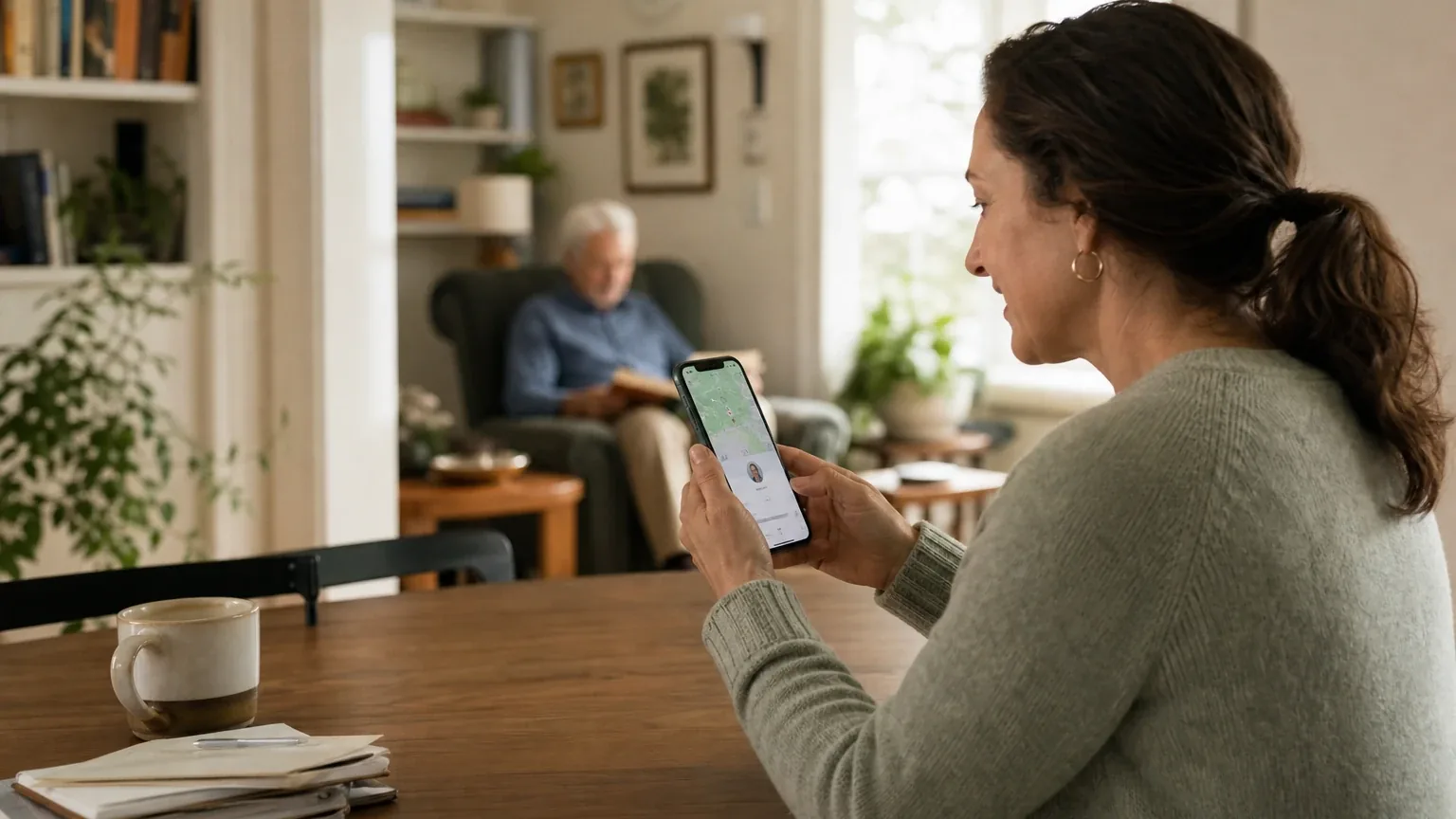
Medical Alert Connect is a good fit for U.S. family caregivers who mainly need emergency-triggered notifications, multi-user monitoring, battery status, and GPS location during mobile alerts. All 7 platforms named it during the ranking stage, and 5 of 7 rated it a good fit, while 2 rated it uncertain. The strongest reason to consider it is that the Medical Alert Connect app is described as free with medical alert systems and supports real-time push notifications plus multiple user profiles [1]. The main limitation is thin public documentation: continuous location history, geofencing, role-based caregiver permissions, alert acknowledgement, and granular privacy controls are not clearly established, and app-store ratings are mixed.
Research Snapshot
| Field | Finding |
|---|---|
| Platform mentions in ranking stage | 7 of 7 included platforms |
| Share of included platform responses | 100% |
| Average listed rank | 4.0 |
| Best listed rank | 2 (perplexity) |
| Relevant product/model/plan | Medical Alert Connect mobile app paired with the Home System, Mobile System, Mini Mobile System, or Smartwatch |
| Overall use-case fit | Good (5 platforms); Uncertain (2 platforms) — 7 platforms analyzed |
| Research date | 2026-09-27 |
What Changed Since August 2026
Medical Alert Connect moved up from No. 4 to No. 3, and platform mentions increased from 2 to 7. The September 2026 review reframes Medical Alert Connect as a caregiver-app offering rather than a broad Medical Alert entry, with buyer fit now centered on emergency-triggered notifications, multi-user monitoring, battery status, and GPS during mobile alerts. It remains a good, not clearly best-in-class, fit, and no single recommended configuration is named. The clearest pricing change is the app-side monthly figure of $34.95, newly reported, while $34.95/month recurring monitoring is no longer repeated. Documentation gaps around continuous location, permissions, and alert acknowledgement remain the main limitation, alongside mixed app-store ratings. Earlier range and response-time measurements are no longer repeated, so coverage and response-speed claims are now less specific. Differences between the two editions reflect what each article reports; they do not by themselves prove that the product, service, or price changed.
The August 2026 review preserves the earlier article for reference.
Why Medical Alert Connect Qualified for This Study
Questions This Section Answers
- Why did Medical Alert Connect qualify for a caregiver app and family alerts review?
- How many AI platforms named Medical Alert Connect during the ranking stage?
Medical Alert Connect qualified because every included platform named it during ranking discovery, giving it a 100% mention share and an average listed rank of 4.0 across seven platforms (anthropic, deepseek, google, grok, kimi, openai, perplexity). Its best listed rank was 2, from perplexity. The entity cleared the study's two-mention minimum with room to spare, and its recommended-product lists consistently pointed to a caregiver-facing app paired with home, mobile, or smartwatch hardware.
Qualification is not the same as verified quality. The ranking stage surfaced the entity; the fit stage then tested it against seven caregiver-app criteria. Five platforms rated the fit good and two rated it uncertain, so the consensus is positive but not unanimous. One qualification note matters for buyers: the ranking-stage product lists included LifeFone VIPx2 and VIPx2 Caregiver Mobile App references that the reviewed official Medical Alert pages did not establish as Medical Alert products [4]. Treat those names as unverified for this entity.
The Product, Model, Plan, or Service Most Relevant to Caregiver App & Family Alerts
Questions This Section Answers
- Which Medical Alert Connect product should a caregiver app buyer choose: the Home System, Mobile System, or Smartwatch?
- Is the Medical Alert Connect app included free with Medical Alert systems?
The most relevant offering is the Medical Alert Connect mobile app paired with a Medical Alert Home System, Mobile System, Mini Mobile System, or Smartwatch. The app is the caregiver-facing layer; the hardware determines whether location data exists at all.
Company pages describe the app as free, included with Medical Alert systems, and available through Apple and Google app stores [6]. Reported app functions include real-time push notifications when a call connects to the response center, multiple user profiles, account updates, battery status, and GPS location for mobile systems [6]. The Home System is advertised with up to 800 feet of coverage, a 30-hour backup battery, and app support [10]. The Mobile System adds GPS and advertises up to four days of battery life, but depends on cellular coverage and charge [11]. The Smartwatch is also referenced with Connect app support [13].
Location sharing is device-dependent. Home-only systems do not provide GPS location, so a caregiver whose main need is knowing where a loved one is should pair the app with a mobile or smartwatch system rather than a home console.
What the AI Platforms Agreed About
Questions This Section Answers
- What do AI platforms agree the Medical Alert Connect app does well for family caregivers?
- Is the Medical Alert Connect app really free with a Medical Alert subscription?
Platforms agreed on four points. First, the app is free and included with Medical Alert systems rather than sold as a separate subscription [14]. Second, caregivers receive real-time notifications tied to response-center activity, with options that independent coverage describes as push, email, SMS, or phone call [17]. Third, the app supports multiple user profiles so one caregiver can monitor more than one person [17]. Fourth, mobile and smartwatch systems can surface GPS location at the time of an alert [21].
Emergency escalation was also broadly consistent: a live specialist assesses the alert and follows a personalized response plan that may involve contacting family, neighbors, or emergency services, and may dispatch help to the address on file if the user cannot communicate [23]. Independent reviewers at AARP and NCOA corroborate caregiver notifications, device status, and location-related features [25].
Agreement here reflects repeated sourcing from the same company pages as much as independent confirmation. Company-owned citations materially outnumber independent ones in this evidence set, so these points are best read as consistent platform reporting, not independent verification.
Where the AI Platforms Disagreed or Were Uncertain
Platforms split on app reliability, pricing, and permission depth. On reliability, one independent review described the app as buggy with low ratings and delayed or missing push notifications (grok:4, grok:10), and Google-reported app-store data cited a 1.5-out-of-5 iOS rating with complaints about setup errors and device sync [28]. Other platforms described the app as simplified and intuitive (grok:1, grok:2). Both can be true: usability impressions and store ratings measure different things.
Pricing conflicts are material. OpenAI reported Home System from $29.95/month, Mobile from $34.95, Mini Mobile from $39.95, and Smartwatch from $34.95 [29]. Anthropic reported higher monthly-tier figures, including Mobile Standard at $42.95/month and Mobile Mini at $47.95/month, plus a $159 smartwatch device fee [30]. Grok reported Home System at $27.95/month (grok:11). Google reported $27.95 to $47.95/month with activation fees of $99.95 to $159.00 [31]. These are not necessarily contradictions — they likely reflect different billing terms and promotions — but buyers cannot resolve them from public pages alone.
Two platforms could not verify the entity at all. DeepSeek found no verified caregiver-app features, pricing, or entity confirmation and rated fit uncertain [32]. Kimi retrieved no Medical Alert Connect material and rated fit uncertain, with its results covering Connected Caregiver instead (kimi:connectedcaregiver-homepage). Missing research is not disagreement, but it does mean two of seven platforms could not confirm the product's current state.
Use-Case-Specific Features and Capabilities
Questions This Section Answers
- Does the Medical Alert Connect app support real-time push alerts and GPS location for caregivers?
- Can multiple family caregivers share access to one Medical Alert Connect account?
Real-time alerts are the clearest strength. Company materials state that subscribers and emergency contacts receive real-time push notifications when a call connects to the response center and requires assistance [33]. Independent app-store descriptions and reviews describe live emergency alerts with notification preferences [34].
Location sharing is point-in-time, not continuous. For mobile systems, the app and response service can provide GPS location associated with the device or alert [36]. No reviewed source establishes continuous tracking, location history, or geofencing entry/exit alerts. AARP coverage notes the app includes location tracking but lacks a CareCircle-style messaging feature [38].
Multi-contact support is real but under-documented. The app supports multiple user profiles and caregivers can manage contact lists, while the response process uses a personalized plan [33]. The maximum number of contacts, per-contact permissions, role-based access, and alert acknowledgement controls are not clearly documented in reviewed public materials [33].
System-status monitoring is a practical advantage: caregivers can receive low-backup-battery notifications for home systems and view live battery status for mobile systems [33]. Fall detection is an optional add-on, and Medical Alert states it does not detect 100% of falls [41]. Google-reported evidence also describes a hospital Care Alert Service notification through an HSX partnership, which is platform-reported and should be verified for local availability [43].
Pricing, Fees, Contracts, and Ongoing Costs
Questions This Section Answers
- How much does Medical Alert Connect cost per month, and is the app itself free?
- Are there setup, restocking, or equipment-return fees with Medical Alert Connect?
The app is consistently described as free; the cost is the monitoring subscription and hardware. Advertised starting prices cluster between roughly $27.95 and $47.95 per month depending on system and billing term, with the Home System at the low end and the Mini Mobile at the high end [44]. The official site states systems start at $29.95/mo and that prices vary by system, rate plan, and add-ons (official:C1).
Additional costs reported across platforms include a one-time equipment or activation fee of $99.95 to $159.00, optional fall detection at about $10/month, and a protection plan advertised at $5/month for Basic and $10/month for Premium on company pages [45]. Shipping was reported at $24.95 ground, waived with semi-annual or annual plans [45].
Contract terms carry real obligations. Subscriber terms state a three-month minimum non-refundable monitoring charge, a programming fee, month-to-month renewal, equipment-return billing conditions, and mandatory individual arbitration [48]. Independent reviews report a $35 restocking fee for early cancellation and up to a $350 charge for unreturned equipment [49]. A 30-day money-back guarantee is also reported [49]. Emergency-service charges are determined by local EMS and are not covered by the company [51]. Pricing confidence varies by platform from low to high, so confirm totals before ordering.
Best Suited For
Questions This Section Answers
- Who is Medical Alert Connect best for among family caregivers?
- Is Medical Alert Connect worth it for monitoring multiple loved ones from one app?
Medical Alert Connect is best suited to adult children who need real-time notification when a monitored help button connects to the response center, and who want professional 24/7 escalation rather than app-only alerts [52]. It also fits families monitoring one or more users through a shared account, since the app supports multiple user profiles [54].
It suits caregivers who need GPS location at the moment of a mobile-system alert, and buyers who want a free companion app rather than a paid app add-on [56]. Budget-conscious buyers comparing annual plans in the high-$20s to mid-$40s per month are also a reasonable match, provided they verify current totals [57].
Probably Not Best Suited For
Questions This Section Answers
- Who should not choose Medical Alert Connect for caregiver app and family alerts?
- Does Medical Alert Connect offer continuous GPS tracking or geofencing?
It is a weaker fit for families wanting continuous GPS tracking or detailed location history, because reviewed sources describe point-in-time location rather than streaming or historical views [59]. Care teams requiring documented role-based permissions, audit logs, or extensive shared-care workflows should look elsewhere, since those controls are not clearly documented [59].
Buyers who need fully transparent total pricing for every add-on before ordering will find the public pages incomplete, given conflicting platform-reported figures and a programming fee whose amount was not clearly stated [62]. Caregivers who want interactive care-circle chat or coordinated task management should note that the app lacks a CareCircle-style messaging feature [64]. Finally, anyone deterred by mixed app-store ratings and reports of delayed notifications should weigh that evidence carefully [66].
When Another Option May Be Better
Questions This Section Answers
- What is a better alternative to Medical Alert Connect for continuous GPS tracking and geofencing?
- When should a caregiver choose a dedicated family-monitoring platform instead of Medical Alert Connect?
Choose another provider when continuous GPS tracking, geofencing, location history, or richer family collaboration is a primary requirement (openai, anthropic). Choose a dedicated family-monitoring platform when routine check-ins, medication reminders, sensors, or non-emergency activity monitoring matter more than professional emergency response (openai, anthropic).
Choose a provider with clearer published permission and privacy documentation when multiple family members need differentiated access (openai, anthropic). Choose a simpler home-only system when the care recipient rarely leaves home and mobile GPS is unnecessary (openai). For buyers who want a highly rated app with coordinated chat, AARP coverage contrasts Medical Alert Connect's free but chat-free app with Medical Guardian's CareCircle feature at about $5/month [67]. Buyers who need independently benchmarked caregiver apps with published 2026 pricing should compare against alternatives before committing (deepseek).
Questions to Verify Before Buying
Questions This Section Answers
- What should a buyer confirm with Medical Alert Connect before signing a contract?
- How many caregivers can access the Medical Alert Connect app, and can they have different permissions?
Confirm whether the app is included at no additional charge with the exact Home, Mobile, Mini Mobile, or Smartwatch plan being ordered (openai, perplexity). Ask how many caregivers or emergency contacts can be added, whether each can receive different permissions, and whether alerts reach every authorized caregiver simultaneously with acknowledgement or escalation options (openai, anthropic).
Ask whether the app shows only current GPS position during an alert or retains location history and supports geofencing (openai, anthropic). Ask which events generate push notifications: button presses, fall-detection alerts, canceled alerts, low battery, lost connectivity, or system tests (openai, anthropic). Confirm current monthly, semi-annual, and annual totals after promotional pricing ends, plus the exact programming fee, minimum monitoring obligation, equipment charge, shipping charge, and fall-detection cost [69].
Confirm what happens if the caregiver's phone is offline, notifications are disabled, the app is logged out, or cellular coverage is unavailable (openai, anthropic). Ask what privacy, consent, deletion, and caregiver-access controls apply to location and alert data, and what the return process requires, including equipment-return deadline, refund calculation, restocking charges, and responsibility for charges while equipment is in transit [71]. Also verify whether app access requires customer-care activation [72].
Final AI Consensus Verdict
Medical Alert Connect is a good, not clearly best-in-class, fit for Caregiver App & Family Alerts. Five of seven platforms rated the fit good and two rated it uncertain. The consensus strengths are a free companion app, real-time emergency notifications, multi-user monitoring, battery visibility, and GPS location on mobile and smartwatch systems. The consensus limitations are point-in-time rather than continuous location, undocumented role-based permissions and privacy controls, incomplete pricing transparency, a three-month minimum monitoring charge, and mixed app-store ratings.
Buyers whose core need is emergency-triggered family notification with professional escalation will likely find it adequate. Buyers whose core need is continuous tracking, geofencing, granular caregiver permissions, or fully transparent total pricing should verify directly with the vendor and compare alternatives. Platform agreement in this study reflects repeated reporting from a largely company-owned evidence base and does not prove product quality.
How This Review Was Produced
This review used seven AI platform responses collected for the Caregiver App & Family Alerts use case, with a study research date of 2026-09-27. Platforms evaluated fit against seven criteria: caregiver app usability, real-time push alerts, location sharing, emergency escalation options, multi-contact permissions, subscription cost, and privacy controls. All seven platforms named Medical Alert Connect during ranking discovery, and all seven produced fit assessments. Five rated the fit good and two rated it uncertain. Citations are platform-reported evidence, not independently verified facts. Company-owned citations materially outnumber independent citations in this evidence set, so company claims are described as company claims rather than verified findings. This is one report in the broader Caregiver App & Family Alerts consensus series, which sits within the wider set of medical alert systems reviews.
Methodology Limitations
Platform-reported research dates differ from the authoritative run date: anthropic reported 2026-01-15 and deepseek reported 2026-06-13, while the remaining platforms reported 2026-09-27. Those dates are provenance metadata and do not independently prove freshness. DeepSeek ran without search enabled, so its findings are model-reported rather than retrieval-backed. Kimi retrieved no Medical Alert Connect material and its results covered Connected Caregiver, a separate entity. The supplied URLs were collected from platform responses and were not independently validated by the writer stage. The available source evidence flagged that the ranking-stage product lists included LifeFone VIPx2 and VIPx2 Caregiver Mobile App references not established as Medical Alert products on reviewed official pages, and that the legal entity is identified in subscriber terms as ConnectAmerica.com, LLC doing business as Medical Alert. Pricing conflicts across platforms were not resolved by guessing. No personal testing, customer experience, medical benefit, or guaranteed performance is claimed.
Sources
Company-Owned Sources
- Homepage | My Connected Caregiver | Remote Health Monitoring tool: https://myconnectedcaregiver.com/
- Basic | My Connected Caregiver: https://myconnectedcaregiver.com/basic/
- Care Essentials App for Family Caregivers | Connected Caregiver: https://myconnectedcaregiver.com/care-essentials/
- Connected Care App - Family Care Management Tools: https://myconnectedcaregiver.com/connected-app/
- Peace of Mind Silver Bundle - Medical Alerts & Monitoring: https://myconnectedcaregiver.com/product/pom/
- Safety+ Ultra 4G Medical Alert | Fall Detection & 24/7 Monitoring: https://myconnectedcaregiver.com/product/safety-ultra/
- Safety+ Medical Alert - Senior Fall Detection & Emergency Alerts: https://myconnectedcaregiver.com/safety/
- Enhancements to Connect America Home™ Platform Unveiled: https://vertexaisearch.cloud.google.com/grounding-api-redirect/AUZIYQG4LNhi30xl87CK5J4KNGvRGMwsIs2akmyyIOoexCiUIyUcwDArFR-Mjgp3XUxCHmz14JiCs73TmbQ2XQrw9fP7zuMVbtQI3htKa2WRNR1WrMWgmSZUeFIdO72IN8PQPfeyiS94la4wwtx6RbWW5M9oCgIpUpVXjIlR6K_kzkYZTTFGwMmFmSeeRk1OBqSrkqhXj3h_Z7cGyJaiUoVZc046OWCdbXbwykGGNbfYl73h
- Medical Alert: https://www.medicalalert.com/
- Alert Bracelet That Calls Family and 911: https://www.medicalalert.com/blog/help-buttons-that-reach-family-and-911-how-the-connection-works/
- Medical Alert Connect Mobile App: https://www.medicalalert.com/mobile-app/
- Medical Alert Home System | No Landline Needed: https://www.medicalalert.com/product/home-system-cellular/
- Mobile Medical Alert System | GPS & 24/7 Help: https://www.medicalalert.com/product/mobile-system/
- Medical Alert Smartwatch | GPS, Heart Rate & 24/7 Help: https://www.medicalalert.com/product/smartwatch/
- Customer Service & Support: https://www.medicalalert.com/support/
- Emergency Response Experience: https://www.medicalalert.com/support/emergency-experience/
- Support: Medical Alert Connect App: https://www.medicalalert.com/support/mobile-app/
- Subscriber Terms and Conditions: https://www.medicalalert.com/support/terms/
- On the Go User Guide: https://www.medicalalert.com/wp-content/uploads/2025/01/On-the-Go-Setup-Guide.pdf
- Basic Protection Plan: https://www.medicalalert.com/wp-content/uploads/2025/02/MA-Protection-Plan-Basic.pdf
- Official pricing and terms source: https://www.medicalalert.com/terms-and-conditions/
Additional AI research evidence72 records
- AI research evidence record openai:c1
- AI research evidence record anthropic:c1
- AI research evidence record perplexity:c4
- AI research evidence record openai:c9
- AI research evidence record deepseek:c1
- AI research evidence record openai:c1
- AI research evidence record openai:c2
- AI research evidence record perplexity:c4
- AI research evidence record anthropic:c1
- AI research evidence record openai:c7
- AI research evidence record openai:c3
- AI research evidence record openai:c8
- AI research evidence record perplexity:c15
- AI research evidence record openai:c2
- AI research evidence record perplexity:c4
- AI research evidence record perplexity:c12
- AI research evidence record openai:c1
- AI research evidence record anthropic:c2
- AI research evidence record perplexity:c2
- AI research evidence record google:1.1.2
- AI research evidence record openai:c3
- AI research evidence record anthropic:c1
- AI research evidence record openai:c4
- AI research evidence record openai:c5
- AI research evidence record perplexity:c6
- AI research evidence record perplexity:c9
- AI research evidence record perplexity:c13
- AI research evidence record google:1.4.2
- AI research evidence record openai:c7
- AI research evidence record anthropic:c4
- AI research evidence record google:2.1.6
- AI research evidence record deepseek:c1
- AI research evidence record openai:c1
- AI research evidence record perplexity:c2
- AI research evidence record anthropic:c2
- AI research evidence record openai:c3
- AI research evidence record anthropic:c1
- AI research evidence record perplexity:c6
- AI research evidence record openai:c4
- AI research evidence record google:1.1.2
- AI research evidence record openai:c7
- AI research evidence record openai:c8
- AI research evidence record google:1.1.8
- AI research evidence record openai:c7
- AI research evidence record anthropic:c4
- AI research evidence record google:2.1.6
- AI research evidence record openai:c11
- AI research evidence record openai:c10
- AI research evidence record anthropic:c5
- AI research evidence record google:1.1.6
- AI research evidence record openai:c12
- AI research evidence record openai:c4
- AI research evidence record openai:c5
- AI research evidence record openai:c1
- AI research evidence record perplexity:c4
- AI research evidence record openai:c3
- AI research evidence record anthropic:c4
- AI research evidence record google:2.1.6
- AI research evidence record openai:c1
- AI research evidence record anthropic:c1
- AI research evidence record anthropic:c2
- AI research evidence record openai:c10
- AI research evidence record anthropic:c4
- AI research evidence record perplexity:c6
- AI research evidence record google:1.1.6
- AI research evidence record google:1.4.2
- AI research evidence record perplexity:c6
- AI research evidence record google:1.1.6
- AI research evidence record openai:c10
- AI research evidence record anthropic:c4
- AI research evidence record anthropic:c5
- AI research evidence record perplexity:c11
Independent Sources
- Medical Alert Connect App - App Store: https://apps.apple.com/us/app/medical-alert-connect/id1458353136
- Medical Alert Connect: https://apps.apple.com/us/app/medical-alert-connect/id1458353136?l=ko&platform=iphone
- Options To Suit Every: https://bestcompany.com/medical-alert-systems/medical-alert
- Connect America Medical Alert Review: Is It Worth It?: https://millennialhawk.com/connect-america-medical-alert-review/
- Connected Caregiver - Apps on Google Play: https://play.google.com/store/apps/details?hl=en&id=com.connectedcaregiver.care
- Medical Alert Connect - Apps on Google Play: https://play.google.com/store/apps/details?id=com.connectamerica.medicalalertconnect&hl=en_US
- Medical Alert Review 2026: Our In-Depth Testing Experience - AARP: https://vertexaisearch.cloud.google.com/grounding-api-redirect/AUZIYQE5OZRiEdYxC_YgFpqbGzFp2zWVEFYJCRsgEN5zmv_RjNsBhuCyktqns5kH_aCB_PmYHNF0nnsGEQX82uyzGyVmYeJUUmv0mj1H6VrxcaKxswvBlyPKlUIJZSv-V4KVQq7554VDGbhqcmmf-iYBxzapooa5FmM=
- Medical Alert Review in 2026 - The National Council on Aging (NCOA: https://vertexaisearch.cloud.google.com/grounding-api-redirect/AUZIYQGD_fmV3pq1TyP2M6STH1gS6gdKiITnMCQmqLLnE9MlNrrvEx9d4olHVSWwsSeYX-H-haF90uQm4_ZsWGTp0PjRUq5tcyEkhVBMI0FL5lHd7w2XOOcCIH7ogTh_N7zxJ2XRn-sTNAjlqE55QxjYblv5_UJSzo5F8dgTEtipZoK7tbEy9j3Gc-K1
- Medical Alert Connect - Apps on Google Play: https://vertexaisearch.cloud.google.com/grounding-api-redirect/AUZIYQGq4DBmgRvLAk8ZyKomHYxf2_ghku4i3nj6uZSMTNmNryLxTp2y4wyZkwMDnw4uXeGUB0RnLTFrFmYluoHJwgihF7fDdc-K-RlvK2jXclX9N9SAn8DxFJXcflPUoC1MnGmTz9ZZ1wC5fJPYkibB0h0OmRAnX-fJxMxdqkW9wtQJqfJNjYlGURANN7k6XR_Tezw=
- Medical Guardian vs. Medical Alert 2026: Who Wins? - AARP: https://vertexaisearch.cloud.google.com/grounding-api-redirect/AUZIYQHGNSM3tcTcH9HeSSpwMmMmlDYaI-RbUpF_oIPHBXhi--DF2wjdG8KjJdDNyesEVokL0mI-1EWT28DsXd7xmsoSUj6gVqCi4qXFboKLTrN4eJTDFnwSojwrPtX-FvKiLBbc1M8rNCDvxkdEA-UsSZkoja3RrPgRGPizIDnHP42Fw7GLdWg6BxZysMI=
- Medical Alert Review 2026: Tested & Approved: https://www.aarp.org/caregiving/home-care/medical-alert-review/
- Medical Guardian vs. Medical Alert 2026: Who Wins?: https://www.aarp.org/caregiving/home-care/medical-guardian-medical-alert-comparison/
- Medical Alert Medical Alert System Review 2026: https://www.caring.com/senior-products/best-medical-alert-systems/medical-alert
- MedicalAlert.com: Good Fall Detection, Buggy App + Bad Returns: https://www.medicalalertbuyersguide.org/medical-alert-system/connectamerica-medical-alert-home-system-review/
- The Best Medical Alert Systems of 2026: We Put Them to The Test: https://www.ncoa.org/product-resources/medical-alert-systems/best-medical-alert-systems/
- Medical Alert Cost, Pricing, Packages and Monthly Plans: https://www.safehome.org/medical-alert-systems/medical-alert/
- Medical Alert Review | SafeWise: https://www.safewise.com/senior-safety/medical-alerts/medical-alert/
- Medical Alert Cost, Pricing, Plans and Packages in 2026: https://www.seniorliving.org/medical-alert-systems/medical-alert/
- Medical Alert by ConnectAmerica Review in 2026: https://www.seniorliving.org/medical-alert-systems/medical-alert/reviews/
- The 7 Best Medical Alert Systems (2026: https://www.theseniorlist.com/medical-alert-systems/best/
Additional AI research evidence72 records
- AI research evidence record openai:c1
- AI research evidence record anthropic:c1
- AI research evidence record perplexity:c4
- AI research evidence record openai:c9
- AI research evidence record deepseek:c1
- AI research evidence record openai:c1
- AI research evidence record openai:c2
- AI research evidence record perplexity:c4
- AI research evidence record anthropic:c1
- AI research evidence record openai:c7
- AI research evidence record openai:c3
- AI research evidence record openai:c8
- AI research evidence record perplexity:c15
- AI research evidence record openai:c2
- AI research evidence record perplexity:c4
- AI research evidence record perplexity:c12
- AI research evidence record openai:c1
- AI research evidence record anthropic:c2
- AI research evidence record perplexity:c2
- AI research evidence record google:1.1.2
- AI research evidence record openai:c3
- AI research evidence record anthropic:c1
- AI research evidence record openai:c4
- AI research evidence record openai:c5
- AI research evidence record perplexity:c6
- AI research evidence record perplexity:c9
- AI research evidence record perplexity:c13
- AI research evidence record google:1.4.2
- AI research evidence record openai:c7
- AI research evidence record anthropic:c4
- AI research evidence record google:2.1.6
- AI research evidence record deepseek:c1
- AI research evidence record openai:c1
- AI research evidence record perplexity:c2
- AI research evidence record anthropic:c2
- AI research evidence record openai:c3
- AI research evidence record anthropic:c1
- AI research evidence record perplexity:c6
- AI research evidence record openai:c4
- AI research evidence record google:1.1.2
- AI research evidence record openai:c7
- AI research evidence record openai:c8
- AI research evidence record google:1.1.8
- AI research evidence record openai:c7
- AI research evidence record anthropic:c4
- AI research evidence record google:2.1.6
- AI research evidence record openai:c11
- AI research evidence record openai:c10
- AI research evidence record anthropic:c5
- AI research evidence record google:1.1.6
- AI research evidence record openai:c12
- AI research evidence record openai:c4
- AI research evidence record openai:c5
- AI research evidence record openai:c1
- AI research evidence record perplexity:c4
- AI research evidence record openai:c3
- AI research evidence record anthropic:c4
- AI research evidence record google:2.1.6
- AI research evidence record openai:c1
- AI research evidence record anthropic:c1
- AI research evidence record anthropic:c2
- AI research evidence record openai:c10
- AI research evidence record anthropic:c4
- AI research evidence record perplexity:c6
- AI research evidence record google:1.1.6
- AI research evidence record google:1.4.2
- AI research evidence record perplexity:c6
- AI research evidence record google:1.1.6
- AI research evidence record openai:c10
- AI research evidence record anthropic:c4
- AI research evidence record anthropic:c5
- AI research evidence record perplexity:c11
Verify This Research
Review the study details behind this page or download the public machine-readable verification record.
- Study date
- September 27, 2026
- Platforms analyzed
- 7
- Source records
- 44
- Ranking mentions
- 7 of 7
- Platform share
- 100%
- Final consensus rank
- #3
Research trail and source mix
Configured platforms
openai, anthropic, deepseek, grok, perplexity, kimi, google
Source mix
21 independent · 23 company-owned
Evidence support
39 direct · 5 partial
Important limitation
Use the run research_date as the study date. Platform-reported dates are provenance metadata and do not independently prove freshness.
Source snapshot SHA-256 dcc71698ea36fe91b0bccb3533c77f79700d42fa21057a3c3c4ae7c1b6db2259