
Answer Capsule
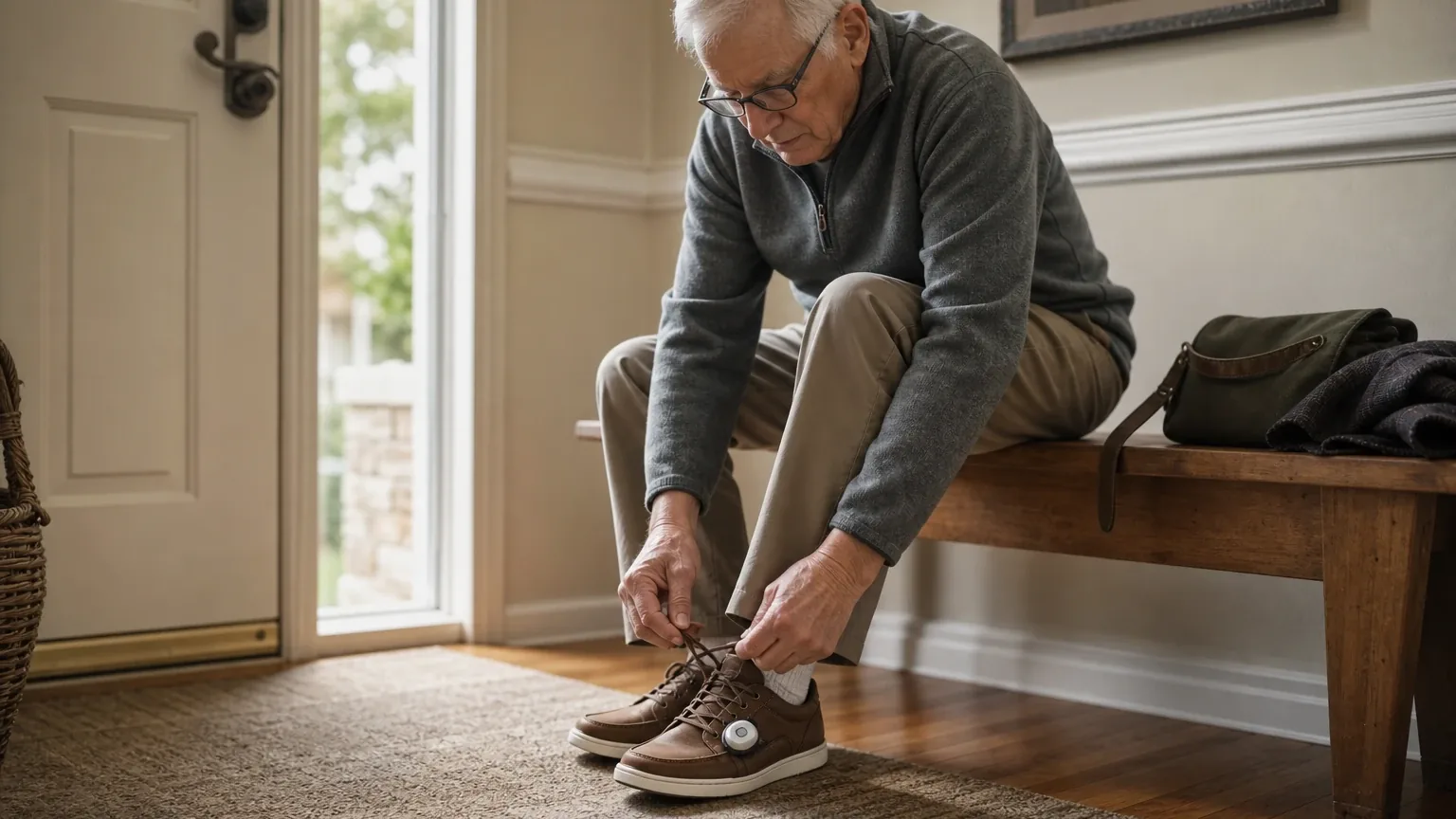
GPS SmartSole is a good fit for caregivers whose primary need is discreet, tamper-resistant location tracking for a senior with dementia who may wander—provided the person reliably wears shoes and caregivers can maintain a daily charging routine. Three of seven AI platforms (Anthropic, DeepSeek, Google) named GPS SmartSole during the ranking stage, with an average listed rank of 5.0 and a best rank of 3. The strongest reason to consider it: it is the only mainstream tracker that cannot be removed without dismantling the shoe, solving the device-removal problem common in late-stage dementia. The main limitation: it is a location-tracking aid only—no SOS button, two-way voice, or documented professional emergency escalation—and it stops tracking whenever the person is not wearing the fitted shoes.
Research Snapshot
| Metric | Value |
|---|---|
| Platform mentions in ranking stage | 3 of 7 (Anthropic, DeepSeek, Google) |
| Share of included platform responses | 42.9% (3 of 7) |
| Average listed rank | 5.0 |
| Best listed rank | 3 (Google) |
| Relevant product/model/plan | GPS SmartSole for Dementia with MetAlert monitoring service subscription (Monitoring Portal, Smart Locator App, cellular connectivity, alert notifications) |
| Overall use-case fit | Good (4 of 7 platforms rated "good"; 1 "strong"; 1 "mixed"; 1 "uncertain") |
| Research date | 2026-08-10 |
Why GPS SmartSole Qualified for This Study
GPS SmartSole qualified because it directly addresses the core failure mode in dementia wandering management: the wearer removing or discarding a visible tracking device. The product is a GPS and cellular tracker sealed inside a shoe insole, making it invisible to the wearer and impossible to remove without dismantling the shoe [1]. Multiple independent reviewers identify it as the only mainstream tracker that cannot be taken out by the wearer [1].
The product also met the study's category criteria on several fronts: it offers geofencing alerts via text and email, a caregiver web portal and smartphone app, IPX7 water resistance, and 4G cellular connectivity across all 50 U.S. states [4]. Its shoe-based form factor leverages procedural memory—people with advanced dementia typically remember to wear shoes even when they forget other things [6].
The Product, Model, Plan, or Service Most Relevant to Dementia & Wandering Risk Management
The relevant product is the GPS SmartSole for Dementia paired with the MetAlert monitoring service subscription. This includes the Monitoring Portal, Smart Locator App, cellular connectivity, and alert notifications [7]. The service plan is mandatory for operation; the device cannot function without an active subscription [8].
The system works as follows: the tracker is sealed inside a shoe insert that reports latitude/longitude, speed, bearing, and altitude through GPS and cellular networks [7]. Caregivers create circular geozones around addresses and receive email or text alerts when the wearer enters or exits those areas [7]. Multiple caregivers can log in simultaneously and customize which alerts they receive [10].
What the AI Platforms Agreed About
Strong agreement: The hidden insole design is the product's defining advantage
All seven platforms that provided fit assessments recognized the discreet, shoe-based form factor as the primary strength. The tracker is sealed inside a water-resistant shoe insert and cannot be removed without dismantling the shoe [11]. This addresses a critical real-world problem: seniors with advanced dementia frequently remove watches, pendants, and bracelets, rendering visible trackers useless [12]. The insole fits into most adult shoes like a regular insert and can be trimmed to size [14].
Strong agreement: No emergency call capability
All platforms that addressed the issue agreed that GPS SmartSole lacks an SOS button, two-way voice communication, and documented professional emergency monitoring [16]. The device is location-only tracking with geofence alerts. If the wearer needs to call for help, they must have a separate phone [16].
Strong agreement: Battery life requires frequent charging
Platforms consistently reported a 2–4 day battery life with a recommendation to charge daily or every other day [19]. The charging process requires lifting the insole out of the shoe and placing it on a wireless inductive charging pad [20]. One source notes that factors like long drives, short reporting intervals, or areas with limited GPS coverage can reduce battery life further [22].
Strong agreement: Shoe dependency is a critical limitation
All platforms noted that GPS SmartSole only tracks when the person is wearing the specific shoes containing the insoles [11]. If the person wanders barefoot, in slippers, or changes shoes, tracking is lost [20]. This makes it unsuitable as a sole tracking solution for some dementia situations [11].
Majority agreement: Geofencing alerts are functional and relevant
Five of seven platforms confirmed geofencing capabilities: caregivers can create circular geozones and receive text/email alerts on entry or exit [18]. The MetAlert platform allows multiple caregivers to customize which alerts they receive [27].
Where the AI Platforms Disagreed or Were Uncertain
Location refresh rate: conflicting reports
Anthropic reported that GPS SmartSole sends location updates every 5 to 10 minutes via cellular connectivity [28]. However, OpenAI noted that the public product information does not state a fixed location-refresh interval or guaranteed alert-delivery time [29]. DeepSeek stated that location updates are not real-time and may be delayed by a few minutes [30]. No platform provided independently verified refresh-rate testing.
Pricing: significant conflicts across sources
The official MetAlert product page currently displays $229.00 for the device [29], while a recent news report cites a $359 retail price [32]. Independent sources also cite $359 [33]. Monthly service pricing ranges from $29.95/month [33] to $49/month [31]. One source cites a quarterly option of $74.95 [33], while another cites $138 quarterly [31]. DeepSeek reported pricing confidence as "low" with device costs of approximately $100–200 and monthly fees of $15–30 [30].
Cellular network: 2G vs. 4G confusion
Anthropic reported that GPS SmartSole works on T-Mobile 2G coverage [36] and flagged uncertainty about whether the 4G model mentioned on the company website has actually launched [36]. Google, however, reported that the device uses 4G cellular and satellite networks across the United States [37]. OpenAI also stated the device operates across all 50 U.S. states using 4G cellular networks [29]. This conflict should be verified with the manufacturer before purchase.
Waterproofing: water-resistant vs. not submersible
OpenAI reported IPX7 water resistance, described as protected against temporary immersion [29]. Google confirmed IPx7 certification [37]. However, Anthropic reported the device is water-resistant but should not be submerged [38]. DeepSeek stated it is water-resistant but not fully waterproof [30]. Kimi noted no IP rating was visible on the product page [39].
Overall fit rating: good to uncertain
Four platforms rated the fit "good" (Anthropic, DeepSeek, Google, OpenAI), one rated it "strong" (Grok), one "mixed" (Kimi), and one "uncertain" (Perplexity). Perplexity's uncertainty stemmed from an inability to verify product capabilities from available evidence [40]. Kimi's mixed rating reflected concerns about unverified specifications and lack of transparent technical documentation [39].
Use-Case-Specific Features and Capabilities
GPS precision and location reliability
The device reports latitude/longitude, speed, bearing, and altitude through GPS and cellular networks [41]. MetAlert states that buildings and terrain can affect connectivity and recommends testing the device in the locations where the wearer may travel [42]. A numerical accuracy specification is not provided [41]. Independent testing data shows modern GPS trackers are typically accurate to 3–5 meters outdoors and 10–30 meters indoors, but this is general tracker data, not SmartSole-specific [43].
Geofencing alerts
Caregivers can create circular geozones around addresses and receive email or text alerts when the SmartSole enters or exits specified areas [41]. Caregiver recipients and active or paused geozones can be configured [41]. Multiple caregivers can customize which alerts they receive [45].
Caregiver app and portal
The service includes the MetAlert Monitoring Portal and Smart Locator App, accessible from a computer, tablet, or smartphone [41]. Multiple caregivers can log in simultaneously [45]. Caregivers can view location history on a map, check battery status, and manage geozones [45]. Independent evidence about app usability, reliability, accessibility, and alert latency was not identified [41].
Wearable comfort and retention
The tracker is sealed inside a shoe insert, making it less likely to be removed or forgotten than a pendant or wrist device [41]. MetAlert states the insole is wide, may require a wide or half-size-larger shoe, weighs approximately 100 grams per insole, and can be trimmed only within specified limits [41]. The insole leverages procedural memory—people with advanced dementia typically remember to wear shoes [47].
Battery life and charging
MetAlert lists a 24–96 hour runtime, a 2–4 hour charging time, and an included inductive charging pad [41]. Its instructions recommend daily charging and state that typical use may last 2–4 days [41]. A caregiver must maintain a regular charging routine [41].
Waterproofing
The product is rated IPX7, described as protected against temporary immersion in water [41]. The reviewed information does not establish suitability for prolonged immersion, swimming, washing-machine exposure, or all footwear and environmental conditions [41]. Some sources caution it should not be submerged [50].
Location refresh rate
The public product information does not state a fixed location-refresh interval or guaranteed alert-delivery time [41]. One source reports updates every 5–10 minutes [51]. Actual refresh behavior may vary with movement, battery-saver behavior, GPS visibility, and cellular coverage [41].
Cellular coverage
MetAlert states the device operates across all 50 U.S. states using 4G cellular networks [41], while also warning that terrain, buildings, and local connectivity can affect performance [42]. Some sources report 2G network dependency [52]. The buyer should test the specific home, neighborhood, and common travel routes before relying on it [41].
Emergency call escalation
The reviewed product and service descriptions document location monitoring, geofencing, email/text alerts, and portal/app access, but do not document two-way calling, an SOS button, professional monitoring, or automatic escalation to 911 or emergency contacts [41]. The device is location-only tracking [53].
Pricing, Fees, Contracts, and Ongoing Costs
Known costs
| Item | Price | Source |
|---|---|---|
| Device hardware | $229.00 (official page) or $359 (news report, independent sources) | [54] |
| Shipping | $9.00 per pair | [54] |
| Activation fee | $24.95 (one-time, including reactivation) | [56] |
| Monthly service (basic) | $29.95/month or $49/month | [56] |
| Quarterly service | $74.95 or $138 | [56] |
| 6-month service | $259 | [57] |
| Annual service | $429 | [57] |
| Concierge monitoring | $42.31+/month | [56] |
Contract and cancellation terms
- No long-term contract required; month-to-month billing [58]
- Cancel service at any time with no penalties [58]
- Service plan payments begin 30 days after activation [58]
- Service plan automatically renews for additional prepaid periods unless canceled before renewal [54]
- No pro-rated refunds for subscription fees upon mid-cycle cancellations [59]
- Returns must be requested within 14 days of delivery in original packaging and unused condition [59]
- Restocking fees may apply for returns of used or altered products [59]
Additional fees
- Taxes may apply [54]
- Return shipping is the customer's responsibility [54]
- Insurance or Medicaid reimbursement is not guaranteed and varies by policy and state [54]
Pricing conflicts to verify
The official product page lists $229.00, while a recent news report cites $359 [55]. Monthly service ranges from $29.95 to $49 depending on source [56]. DeepSeek reported pricing confidence as "low" with significantly different figures [60]. Current checkout pricing should control [54].
Best Suited For
GPS SmartSole is best suited for:
- Late-stage dementia patients who persistently remove all visible wearables—watches, clips, pendants, necklaces [61]
- Individuals with advanced cognitive decline who will not tolerate or forget obvious tracking devices [62]
- Caregivers who can establish a daily charging routine and commit to nightly insole removal [63]
- Situations where the wearer's procedural memory (shoe-wearing habit) is still intact [65]
- Outdoor or suburban environments with reliable 4G cellular and GPS reception [66]
- Caregivers needing location history and entry/exit alerts for predefined areas [66]
Probably Not Best Suited For
GPS SmartSole is probably not best for:
- Buyers needing two-way voice communication, an emergency call button, or professional emergency dispatch [67]
- People who do not reliably wear shoes, frequently change footwear, or wander barefoot or in slippers [70]
- Indoor-heavy situations where GPS reception may be obstructed [71]
- Caregivers who need multi-week battery life or a documented, precise location-refresh interval [71]
- Users with foot problems, diabetes requiring specialized footwear, or those over 250 lb [72]
- Wandering outside the United States—no international coverage [73]
- Situations requiring continuous real-time tracking rather than geofence-only alerts [75]
When Another Option May Be Better
Several platforms identified specific alternatives for particular needs:
- AngelSense offers continuous real-time tracking with a 10-second refresh rate, two-way voice, and an SOS button—better for families managing active elopement risk requiring continuous visibility [76]
- Jiobit offers a 30-day battery life and Wi-Fi positioning for better indoor accuracy, at approximately $13/month [78]
- Theora Connect and Bay Alarm Medical offer SOS buttons and voice communication [79]
- Zembro Oktave and Sensorem offer integrated speakerphone and 24/7 monitoring options [80]
- Otiom provides explicit 1-month battery life and zone-based activation with more transparent documentation [82]
- Traditional medical alert systems with GPS (e.g., LifeFone, Medical Guardian) are more appropriate when emergency two-way communication or fall detection is required [83]
Questions to Verify Before Buying
- What is the exact current monthly, quarterly, or annual service-plan price at checkout, and what taxes or activation fees apply? [84]
- What is the default and minimum location-refresh interval while moving, stationary, indoors, and in battery-saver mode? [84]
- What GPS accuracy and alert latency should the caregiver expect in the senior's home, neighborhood, and common destinations? [84]
- Does the service provide only automated email, text, or push alerts, or is there human monitoring and emergency escalation? [84]
- Can the insole be returned after trimming or wearing it, and what return conditions and fees apply? [85]
- Will the insole fit the senior's primary shoes without causing pressure, gait changes, or discomfort? [84]
- How are low-battery, lost-connection, and device-removal conditions communicated to caregivers? [84]
- How many caregiver accounts or simultaneous logins are supported, and are there separate permissions? [84]
- Which U.S. cellular network is used in the buyer's area (2G or 4G), and can coverage be tested before final fitting? [86]
- What is the expected battery replacement process and cost after the rechargeable battery degrades? [84]
- Has the insurance or Medicaid program been contacted to verify coverage eligibility and reimbursement rates? [88]
- What is the current product warranty, and what does it cover (device, battery degradation, insole durability)? [88]
Final AI Consensus Verdict
GPS SmartSole is a good, use-case-specific fit for dementia and wandering risk management, with a clear niche: late-stage dementia where the wearer persistently removes visible tracking devices. It is the only mainstream tracker that cannot be removed without dismantling the shoe, making it uniquely suited for this scenario [89].
However, it is only a partial solution for broader medical-alert needs. The device lacks emergency calling, professional monitoring, guaranteed refresh performance, and independent real-world validation [91]. It requires daily charging, only tracks when the person wears the fitted shoes, and has conflicting pricing information across sources [93].
Buyers should treat it as a location-tracking aid, not a complete medical alert system. Verify subscription pricing, cellular coverage (2G vs. 4G), refresh rate, alert latency, and emergency-escalation capabilities before purchase [91]. Consider GPS SmartSole primarily when a hidden, removal-resistant tracker is the overriding priority and other form factors have failed [96].
For a broader comparison of options for this use case, see the Dementia & Wandering Risk Management consensus index. You can also browse other medical alert systems in the category directory.
How This Review Was Produced
This review was produced by aggregating fit-research responses from seven AI platforms (OpenAI, Anthropic, DeepSeek, Grok, Perplexity, Kimi, and Google) that evaluated GPS SmartSole against the category criteria for dementia and wandering risk management. Each platform assessed the product against eight factors: GPS precision, geofencing alerts, caregiver app quality, wearable comfort, emergency call escalation, battery life, waterproofing, and location refresh rate.
The research date for this study is 2026-08-10. Platform-reported research dates are provenance metadata and do not independently prove freshness. One platform (DeepSeek) reported a research date of 2026-04-07, which differs from the authoritative run date; this is disclosed as a methodology limitation.
Platform mentions in the ranking stage count only platforms that named GPS SmartSole during ranking discovery (3 of 7). All seven platforms provided fit assessments, but only three named the entity during the ranking phase.
Methodology Limitations
- Platform mentions vs. fit assessments: All seven platforms evaluated fit, but only three (Anthropic, DeepSeek, Google) named GPS SmartSole during ranking discovery. The remaining four platforms provided fit assessments without ranking the entity.
- Pricing conflicts unresolved: The official product page displays $229.00, while a news report and independent sources cite $359. Monthly service ranges from $29.95 to $49. These conflicts were not resolved by the writer; buyers must verify at checkout.
- Cellular network conflict: Sources disagree on whether the current product uses 2G or 4G cellular technology. This was not independently verified.
- No independent testing: No platform identified independent GPS precision testing, app usability testing, or real-world accuracy validation specific to GPS SmartSole.
- Platform-reported dates: DeepSeek reported a research date of 2026-04-07, which differs from the authoritative run date of 2026-08-10.
- URL validation: The supplied URLs were collected from platform responses and were not independently validated by the writer stage.
- AI agreement does not prove quality: Agreement among AI platforms reflects consistency in their assessments of available evidence, not independent verification of product performance.
Explore more medical alert systems guidance in the category directory.
Sources
Company-Owned Sources
- SmartSole Monitoring Service Plan Only: https://gtxcorp.biz/product/?id=8
- Terms of Service: https://metalert.shop/policies/terms-of-service
- GPS Tracker SmartSole + Monitoring Service - Keep Loved Ones Safe: https://metalert.shop/products/gps-smartsole
- GPS SmartSole Service Plan: https://metalert.shop/products/monthly-service-plan
- Otiom GPS for people with dementia: https://otiom.com/
- Dementia tracker | GPS watch | Personal alarm with GPS: https://www.sensorem.com/en/dementia-tracker/
- Oktave Device | Personal Alarm For Elderly: https://zembro.com/products/oktave
Additional AI research evidence96 records
- AI research evidence record anthropic:c2
- AI research evidence record anthropic:c4
- AI research evidence record anthropic:c14
- AI research evidence record openai:c1
- AI research evidence record google:c2
- AI research evidence record anthropic:c3
- AI research evidence record openai:c1
- AI research evidence record openai:c3
- AI research evidence record anthropic:c9
- AI research evidence record anthropic:c8
- AI research evidence record anthropic:c2
- AI research evidence record anthropic:c4
- AI research evidence record google:c1
- AI research evidence record anthropic:c3
- AI research evidence record google:c6
- AI research evidence record anthropic:c10
- AI research evidence record deepseek:c1
- AI research evidence record openai:c1
- AI research evidence record anthropic:c1
- AI research evidence record anthropic:c6
- AI research evidence record google:c4
- AI research evidence record anthropic:c7
- AI research evidence record kimi:c1
- AI research evidence record anthropic:c9
- AI research evidence record grok:c2
- AI research evidence record google:c3
- AI research evidence record anthropic:c8
- AI research evidence record anthropic:c5
- AI research evidence record openai:c1
- AI research evidence record deepseek:c1
- AI research evidence record google:c3
- AI research evidence record openai:c4
- AI research evidence record anthropic:c15
- AI research evidence record anthropic:c16
- AI research evidence record grok:c1
- AI research evidence record anthropic:c1
- AI research evidence record google:c2
- AI research evidence record anthropic:c12
- AI research evidence record kimi:c1
- AI research evidence record perplexity:c1
- AI research evidence record openai:c1
- AI research evidence record openai:c2
- AI research evidence record anthropic:c11
- AI research evidence record anthropic:c9
- AI research evidence record anthropic:c8
- AI research evidence record openai:c3
- AI research evidence record anthropic:c3
- AI research evidence record google:c4
- AI research evidence record google:c2
- AI research evidence record anthropic:c12
- AI research evidence record anthropic:c5
- AI research evidence record anthropic:c1
- AI research evidence record anthropic:c10
- AI research evidence record openai:c1
- AI research evidence record openai:c4
- AI research evidence record anthropic:c15
- AI research evidence record google:c3
- AI research evidence record anthropic:c16
- AI research evidence record google:c5
- AI research evidence record deepseek:c1
- AI research evidence record anthropic:c4
- AI research evidence record anthropic:c14
- AI research evidence record anthropic:c6
- AI research evidence record google:c4
- AI research evidence record anthropic:c3
- AI research evidence record openai:c1
- AI research evidence record anthropic:c10
- AI research evidence record deepseek:c1
- AI research evidence record google:c1
- AI research evidence record anthropic:c2
- AI research evidence record openai:c1
- AI research evidence record anthropic:c12
- AI research evidence record anthropic:c1
- AI research evidence record anthropic:c6
- AI research evidence record anthropic:c13
- AI research evidence record anthropic:c13
- AI research evidence record anthropic:c14
- AI research evidence record anthropic:c11
- AI research evidence record anthropic:c10
- AI research evidence record kimi:c3
- AI research evidence record kimi:c4
- AI research evidence record kimi:c2
- AI research evidence record deepseek:c1
- AI research evidence record openai:c1
- AI research evidence record google:c5
- AI research evidence record anthropic:c1
- AI research evidence record google:c2
- AI research evidence record anthropic:c16
- AI research evidence record anthropic:c2
- AI research evidence record anthropic:c14
- AI research evidence record openai:c1
- AI research evidence record anthropic:c10
- AI research evidence record anthropic:c6
- AI research evidence record openai:c4
- AI research evidence record google:c3
- AI research evidence record kimi:c1
Independent Sources
- 8 Best GPS Trackers for Elderly Parents and Dementia Patients in 2026: https://caringvillage.com/product-reviews/gps-trackers/
- GPS SmartSole Review (2026): Hidden GPS Insole for Wandering: https://elderlydaily.com/reviews/gps-smartsole
- Best GPS Trackers for Elderly and Dementia in 2026 - HotAirTag: https://hotairtag.com/best-gps-trackers-for-elderly/
- GPS SmartSole User Manual: Tracking and Monitoring Guide: https://manuals.plus/m/fd06b506a545b7979a90cd6135e25fb9ae82a9e5956e5b5e6eb6138342109371
- AngelSense Review: GPS Tracking for Elopement Risk: https://neurolaunch.com/angelsense-review/
- Shoes With GPS: Smart Tracking Device For Seniors with Dementia: https://seniorsafetyadvice.com/what-are-gps-shoes/
- GPS Tracking Soles for Alzheimer's and Dementia - The Kensington Sierra Madre: https://thekensingtonsierramadre.com/gps-tracking-soles-alzheimers-dementia/
- GPS Tracking Device for Elderly and those w/ Dementia or Alzheimer's | Alzstore: https://vertexaisearch.cloud.google.com/grounding-api-redirect/AUZIYQFWgE8PAv_mw2m_APpdSB3qwJefLWBUAnoPsxM10JMGzV00Nyklpb4XjrZftU3RXWyOVb5SX1_qYTWlmZEEf7j7HJ0WkB5yOqH4xdAKn3PhLJUVkCp2Oi39txSu0xpWqLhrrBcPLoV4
- GPS SmartSole Review (2026): Hidden GPS Insole for Wandering: https://vertexaisearch.cloud.google.com/grounding-api-redirect/AUZIYQGRGEC28dL5LfpvooYujDMOpKNRB52BXSwKZY0FwQhD9AwikD0dPQNGcPSGtQKZmukLM3C-N61xQspZHPvyHE9c5X2EixO4qTeTIzeA3Ym63bkscgHwtGJy1vdwQeRO2T0VZ7I=
- GPS SmartSole | VirginiaNavigator: https://virginianavigator.org/tech-tool/72946/gps-smartsole
- Best GPS Trackers for Seniors With Dementia: https://www.aplaceformom.com/caregiver-resources/articles/gps-trackers
- These GPS shoe insoles can help you keep track of a loved one with dementia: https://www.fox13now.com/gps-shoe-insoles-help-keep-track-of-loved-ones-with-dementia
Additional AI research evidence96 records
- AI research evidence record anthropic:c2
- AI research evidence record anthropic:c4
- AI research evidence record anthropic:c14
- AI research evidence record openai:c1
- AI research evidence record google:c2
- AI research evidence record anthropic:c3
- AI research evidence record openai:c1
- AI research evidence record openai:c3
- AI research evidence record anthropic:c9
- AI research evidence record anthropic:c8
- AI research evidence record anthropic:c2
- AI research evidence record anthropic:c4
- AI research evidence record google:c1
- AI research evidence record anthropic:c3
- AI research evidence record google:c6
- AI research evidence record anthropic:c10
- AI research evidence record deepseek:c1
- AI research evidence record openai:c1
- AI research evidence record anthropic:c1
- AI research evidence record anthropic:c6
- AI research evidence record google:c4
- AI research evidence record anthropic:c7
- AI research evidence record kimi:c1
- AI research evidence record anthropic:c9
- AI research evidence record grok:c2
- AI research evidence record google:c3
- AI research evidence record anthropic:c8
- AI research evidence record anthropic:c5
- AI research evidence record openai:c1
- AI research evidence record deepseek:c1
- AI research evidence record google:c3
- AI research evidence record openai:c4
- AI research evidence record anthropic:c15
- AI research evidence record anthropic:c16
- AI research evidence record grok:c1
- AI research evidence record anthropic:c1
- AI research evidence record google:c2
- AI research evidence record anthropic:c12
- AI research evidence record kimi:c1
- AI research evidence record perplexity:c1
- AI research evidence record openai:c1
- AI research evidence record openai:c2
- AI research evidence record anthropic:c11
- AI research evidence record anthropic:c9
- AI research evidence record anthropic:c8
- AI research evidence record openai:c3
- AI research evidence record anthropic:c3
- AI research evidence record google:c4
- AI research evidence record google:c2
- AI research evidence record anthropic:c12
- AI research evidence record anthropic:c5
- AI research evidence record anthropic:c1
- AI research evidence record anthropic:c10
- AI research evidence record openai:c1
- AI research evidence record openai:c4
- AI research evidence record anthropic:c15
- AI research evidence record google:c3
- AI research evidence record anthropic:c16
- AI research evidence record google:c5
- AI research evidence record deepseek:c1
- AI research evidence record anthropic:c4
- AI research evidence record anthropic:c14
- AI research evidence record anthropic:c6
- AI research evidence record google:c4
- AI research evidence record anthropic:c3
- AI research evidence record openai:c1
- AI research evidence record anthropic:c10
- AI research evidence record deepseek:c1
- AI research evidence record google:c1
- AI research evidence record anthropic:c2
- AI research evidence record openai:c1
- AI research evidence record anthropic:c12
- AI research evidence record anthropic:c1
- AI research evidence record anthropic:c6
- AI research evidence record anthropic:c13
- AI research evidence record anthropic:c13
- AI research evidence record anthropic:c14
- AI research evidence record anthropic:c11
- AI research evidence record anthropic:c10
- AI research evidence record kimi:c3
- AI research evidence record kimi:c4
- AI research evidence record kimi:c2
- AI research evidence record deepseek:c1
- AI research evidence record openai:c1
- AI research evidence record google:c5
- AI research evidence record anthropic:c1
- AI research evidence record google:c2
- AI research evidence record anthropic:c16
- AI research evidence record anthropic:c2
- AI research evidence record anthropic:c14
- AI research evidence record openai:c1
- AI research evidence record anthropic:c10
- AI research evidence record anthropic:c6
- AI research evidence record openai:c4
- AI research evidence record google:c3
- AI research evidence record kimi:c1
Verify this research
Review the study details behind this page or download the public machine-readable verification record.
- Study date
- Aug 10, 2026
- Platforms analyzed
- 7
- Source records
- 23
- Ranking mentions
- 3 of 7
- Platform share
- 43%
- Final consensus rank
- #4
Research trail and source mix
Platforms
openai, anthropic, deepseek, grok, perplexity, kimi, google
Source mix
12 independent · 11 company-owned
Evidence support
18 direct · 5 partial
Important limitation
Use the run research_date as the study date. Platform-reported dates are provenance metadata and do not independently prove freshness.
Source snapshot SHA-256 15e5513d2e1abedb6953933bf9f519e505e24e0aad20f514ca5b895f8e3a63a8