
Answer Capsule
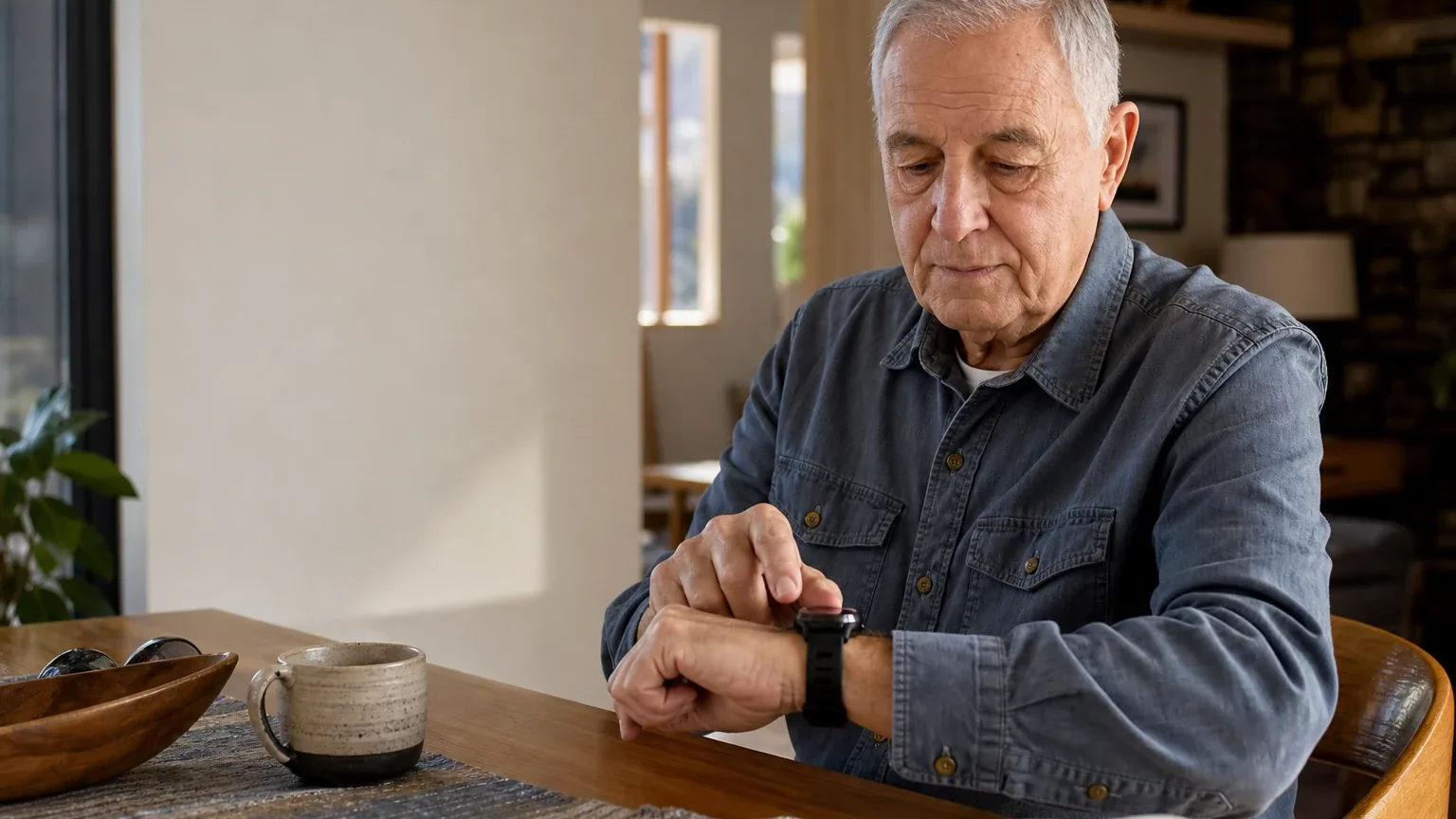
Bay Alarm Medical is a good but conditional fit for Watch-Style Emergency Response. Three of seven AI platforms named it during the ranking stage (43% platform share), with an average listed rank of 2.33 and a best rank of 2. The strongest reason to consider it is the standalone SOS Smartwatch: a discreet, 4G LTE watch with a physical SOS button, GPS, two-way calling, and optional fall detection that requires no smartphone pairing. The main limitation is battery life—reported between 6 and 18 hours depending on the source—which forces daily charging and creates risk for users who forget to charge. Fit ratings split across platforms: two rated it "good," one "strong," three "mixed," and one "uncertain," reflecting unresolved conflicts about caregiver tracking and battery specifications.
Research Snapshot
| Metric | Value |
|---|---|
| Platform mentions in ranking stage | 3 of 7 platforms (deepseek, google, openai) |
| Share of included platform responses | 43% |
| Average listed rank | 2.33 |
| Best listed rank | 2 |
| Relevant product/model/plan | SOS Smartwatch; SOS Smartwatch with Fall Detection |
| Overall use-case fit | Good (conditional on daily charging acceptance) |
| Research date | 2026-08-07 |
Why Bay Alarm Medical Qualified for This Study
Bay Alarm Medical qualified because three of the seven AI platforms evaluating the "Best Medical Alert Watches for Seniors" category named the company during the ranking discovery stage. DeepSeek ranked it 2nd, Google ranked it 2nd, and OpenAI ranked it 3rd. The other four platforms (Anthropic, Grok, Kimi, Perplexity) did not name Bay Alarm Medical during ranking but did provide fit assessments when asked directly. The company's relevant product is the SOS Smartwatch, a standalone cellular medical alert watch with optional automatic fall detection [1].
The Product, Model, Plan, or Service Most Relevant to Watch-Style Emergency Response
The most relevant product is the Bay Alarm Medical SOS Smartwatch, available in two configurations: the base SOS Smartwatch at $39.95/month and the SOS Smartwatch with Fall Detection at $49.95/month [5]. The device is a standalone 4G LTE watch that does not require a smartphone, Wi-Fi, or a separate carrier plan [7]. It includes a physical SOS button, built-in speaker and microphone for two-way communication, GPS location tracking, and a 1.25-inch touchscreen [9]. Optional features include AI-enabled automatic fall detection and basic smartwatch functions like time, weather, and step counting [11].
What the AI Platforms Agreed About
Strong agreement: The SOS Smartwatch is a standalone device that works without a smartphone. All platforms that provided detailed findings confirmed the watch operates independently via built-in 4G LTE cellular connectivity, with no pairing required and no separate carrier payment [13]. This is a genuine advantage for older adults who do not own or struggle with smartphones.
Strong agreement: The physical SOS button is accessible and easy to use. Multiple platforms noted the watch has a dedicated, large, bright red physical SOS button on the side that does not require navigating a touchscreen [13]. Activation requires pressing and holding for approximately five seconds, which reduces accidental calls but may slow response slightly [20].
Strong agreement: GPS and two-way calling are core included features. The watch includes GPS location tracking that sends location data to the monitoring center when SOS is activated, plus a built-in speaker and microphone for two-way communication with 24/7 dispatchers [13]. Independent testing generally confirmed accurate GPS and clear indoor audio [21].
Majority agreement: Fall detection is an optional paid add-on, not included in the base price. Five platforms confirmed fall detection costs an additional $10/month and is described as AI-enabled [13]. Independent testing found the system caught 15 of 20 simulated falls (75%), indicating it is not universally reliable [28].
Majority agreement: The watch is discreet and non-stigmatizing. Multiple platforms noted the device looks like a regular smartwatch rather than a medical alert pendant, which appeals to active seniors who refuse traditional lanyard devices [18].
Majority agreement: Response times are fast. Independent testing reported average emergency response times of 16–21 seconds including the 5-second button hold, with a fastest documented response of 10 seconds [31]. This places the device at the front of its class for smartwatch-style medical alerts.
Where the AI Platforms Disagreed or Were Uncertain
Battery life is the most significant conflict. The current Bay Alarm product page specifies up to 6–18 hours, while a 2026 company product sheet states up to 18–24 hours [33]. Independent testing reported approximately 14 hours with moderate use [35], while other sources reported 6–8 hours or up to 16 hours [36]. DeepSeek reported 24–48 hours, which conflicts with all other sources. Every source agrees the watch requires daily charging, but the exact endurance range is unresolved.
Caregiver tracking availability is contradictory. Bay Alarm's product page says caregiver tracking is available, but its GPS FAQ states tracking was historically limited to the monitoring center and that a caregiver-tracking app was still being developed [33]. Independent reviewers stated the SOS Smartwatch does not offer a caregiver tracking app [39]. Grok claimed a caregiver tracking app is available [41], while Kimi said no app currently exists [38]. The current status must be confirmed before purchase.
Fall detection accuracy varies across tests. One independent test reported 15 of 20 falls detected (75%), while another reported 7 of 10 falls (70%) [42]. Bay Alarm describes the system as AI-enabled with learning capability, but no independently audited accuracy rate was found [33].
Overall fit ratings split across platforms. Google rated the fit "strong," OpenAI and Anthropic rated it "good," DeepSeek, Grok, and Kimi rated it "mixed," and Perplexity rated it "uncertain" due to insufficient verified evidence [45]. This split reflects the unresolved specification conflicts rather than disagreement about core functionality.
Pricing transparency varies by source. OpenAI and Anthropic reported clear pricing ($39.95/month base, $199 device, $10/month fall detection), while Kimi reported pricing was not transparent in available materials and DeepSeek estimated $20–30/month [48]. The $199 device price is frequently discounted to $159–$179 through promotions [48].
Use-Case-Specific Features and Capabilities
SOS Button Accessibility
Advantage. The watch has a dedicated bright red physical SOS button on the side that is large and easy to press without navigating a touchscreen [51]. Activation requires a 5-second hold, which reduces accidental calls but may delay help in acute situations compared to single-press alternatives [53]. Independent testing confirmed the button is easy to locate and press under stress [54].
GPS Accuracy
Advantage with caveats. The watch includes GPS that sends location data to the monitoring center when SOS is activated [51]. Independent reviewers generally confirmed accurate GPS location reporting during test calls [55]. However, GPS accuracy in rural or indoor environments is not officially specified, and the "Pinpoint-Accurate" claim is marketing language without independent validation [56].
Two-Way Calling Clarity
Advantage with environmental caveats. The watch has a built-in speaker and microphone for two-way communication with 24/7 trained dispatchers [51]. Independent testing confirmed clear indoor audio, but outdoor performance in windy conditions was somewhat reduced [58]. Audio quality depends on cellular coverage and ambient noise [59].
Fall Detection Capability
Conditional advantage. Automatic fall detection is available as an optional add-on for $10/month [60]. Bay Alarm describes it as AI-enabled with learning capability [51]. Independent testing found the system caught 15 of 20 simulated falls (75%), with improvement over a week of use [62]. It should not be treated as universally reliable [63].
Battery Life
Major limitation. Battery life ranges from 6 to 18 hours depending on usage and connectivity settings, with manufacturer claims up to 18–24 hours and independent testing showing approximately 14 hours [64]. The current product page specifies up to 6–18 hours with 2–3 hours required for a full charge and nightly charging recommended [51]. This requires daily charging and is substantially shorter than competing models [64].
Display Readability
Advantage. The watch has a bright, easy-to-read touchscreen with large icons and high-contrast text designed for seniors with declining visual acuity [67]. The 1.25-inch screen offers three display options and simplified functions [51]. Specific font size, contrast, and accessibility testing results are not clearly published [51].
Standalone Operation
Advantage. The watch operates independently via 4G LTE with no smartphone pairing or Wi-Fi required [70]. Cellular connectivity is included in the medical-alert package with no separate carrier payment [51].
Water Resistance
Neutral. The product page lists IP67 water resistance, which is suitable for shower use but not swimming or prolonged submersion [51].
Pricing, Fees, Contracts, and Ongoing Costs
Pricing confidence is moderate to high across most platforms, with one notable outlier.
| Cost Item | Amount | Source |
|---|---|---|
| Monthly monitoring (base) | $39.95/month | [71] |
| Monthly monitoring (with fall detection) | $49.95/month | [71] |
| Fall detection add-on | $10/month | [74] |
| Device purchase price | $199 (often discounted to $159–$179) | [71] |
| Activation fee | None | [75] |
| Long-term contract | None; month-to-month available | [75] |
| Cellular connectivity | Included; no separate carrier plan | [77] |
Contract and cancellation terms. The company states subscriptions may be canceled at any time, with unused months refunded less shipping costs [79]. A 15-day trial begins when the system arrives; returns are required and refunds may exclude shipping costs [79]. Quarterly or annual plans may require three paid months for free shipping and eleven paid months for a free month [79]. The company requires customers to call to cancel and may require the device to be returned [79].
Additional fees. Optional wall buttons cost $35 each or $130 for four, and an optional lockbox costs $30 one-time [72]. Shipping and promotional terms may vary [79].
Pricing conflict. Kimi reported that exact monthly pricing was not transparent in available materials, while DeepSeek estimated $20–30/month [78]. These conflict with the $39.95/month figure reported by OpenAI, Anthropic, Grok, and Google. The $39.95 figure is corroborated by multiple independent sources and the company's own pricing page, so it is the most reliable estimate [71].
Best Suited For
Bay Alarm Medical's SOS Smartwatch is best suited for:
- Active seniors who spend time outside the home and want a discreet, non-stigmatizing watch-style device rather than a pendant [80]
- Users who do not own or struggle with smartphones and need a fully standalone device with built-in cellular connectivity [82]
- Buyers who prioritize fast emergency response times over extended battery life [84]
- Older adults who are disciplined about daily charging routines and can reliably charge the watch each night [85]
- Budget-conscious buyers who want competitive monthly pricing ($39.95/month) with no long-term contracts or activation fees [87]
- Seniors who want optional automatic fall detection and understand it is a paid add-on with imperfect accuracy [89]
Probably Not Best Suited For
Bay Alarm Medical's SOS Smartwatch is probably not best suited for:
- Users who forget to charge devices frequently or have limited dexterity for daily charging, given the 6–18 hour battery life [91]
- Buyers needing multi-day battery life without daily recharging [91]
- Families requiring a caregiver tracking app with real-time location sharing and direct messaging, as the current status is conflicting and independent reviewers report no such app exists [94]
- Users seeking a full-featured smartwatch with messaging, third-party apps, heart rate, blood oxygen, or ECG monitoring [95]
- Seniors who cannot tolerate a 5-second button-hold activation and prefer single-press alternatives [98]
- Buyers who want fall detection included in the base price without an additional $10/month fee [99]
When Another Option May Be Better
Consider another medical-alert watch when:
- Multi-day battery life is essential. The SOS All-In-One 2 offers up to 72 hours, and MedAlert claims up to 100 hours [101]. If the buyer cannot commit to daily charging, these alternatives are better suited.
- Caregiver live-location tracking is required. If the family needs a caregiver app with real-time location sharing and direct messaging, competitors like Medical Guardian's MGMove offer this functionality [103]. Bay Alarm's caregiver app status is unresolved.
- Health monitoring features are needed. If heart rate, blood oxygen, or ECG monitoring is important, a general-purpose LTE smartwatch like the Apple Watch SE with fall detection may be better [104].
- Lower purchase price is prioritized. The SOS Micro starts at $149 device cost, which is lower than the SOS Smartwatch's $199 [105].
- A wearable pendant or non-smartwatch form factor is preferred. Dedicated mobile alert pendants often offer longer battery endurance [101].
Questions to Verify Before Buying
- What is the exact current battery-life expectation under typical use, including GPS, calls, and fall detection? The product page says 6–18 hours, the product sheet says 18–24 hours, and independent testing shows ~14 hours [106].
- Does the current SOS Smartwatch support caregiver live-location tracking through an app? Company materials conflict, and independent reviewers report no caregiver app exists [106].
- Which cellular network does the watch use? The watch operates on AT&T 4G LTE, and coverage must be verified at the buyer's home and travel locations [111].
- What is the current device price and promotional eligibility? The $199 price is frequently discounted to $159–$179, and free-month offers may have minimum-service requirements [112].
- Is there a minimum paid-service period associated with free shipping, free months, or device discounts? Quarterly plans may require three paid months for free shipping [114].
- What happens if the watch battery dies, loses cellular signal, or cannot obtain a GPS fix during an emergency? This is not clearly documented [106].
- Can the wearer reliably hear and speak through the watch in a noisy environment? Indoor audio is clear, but outdoor windy conditions reduce clarity [115].
- What are the watch's font, contrast, brightness, and accessibility settings for low vision? Independent reviewers praise readability, but specific settings are not published [116].
- What is the exact water-resistance limitation? IP67 is suitable for shower use but not swimming [106].
- How are false fall alerts canceled, and how long does the wearer have to cancel one? This is not clearly documented [106].
- What are the return, warranty, replacement, and cancellation requirements for the purchased device? The 15-day trial requires returns and refunds may exclude shipping [114].
Final AI Consensus Verdict
Bay Alarm Medical's SOS Smartwatch is a good fit for watch-style emergency response when the buyer accepts daily charging and does not require a caregiver tracking app. The device excels in the core emergency-response functions: a physical SOS button, GPS location reporting, two-way calling with a 24/7 monitoring center, and optional fall detection—all in a discreet, standalone watch that requires no smartphone [117]. Independent testing confirms fast response times averaging 16–21 seconds [120].
The defining limitation is battery life. Every source agrees the watch requires daily charging, with endurance estimates ranging from 6 to 18 hours depending on usage [121]. This creates meaningful risk of device unavailability for users with memory loss, limited dexterity, or inconsistent charging habits [122].
The second major concern is caregiver tracking. Company materials conflict on whether a caregiver app is currently available, and independent reviewers report no such app exists [117]. Families requiring real-time location visibility should verify this before purchase or consider alternatives.
The AI platforms did not unanimously endorse Bay Alarm Medical. Fit ratings split across "strong," "good," "mixed," and "uncertain," reflecting the unresolved specification conflicts rather than disagreement about core functionality. The consensus is that this is a competent, well-priced, fast-responding watch-style medical alert device with a significant battery-life tradeoff. It is a reasonable choice for active, organized seniors who can reliably charge daily and prioritize discreet appearance and response speed over extended endurance and caregiver self-monitoring.
For the full comparison of watch-style emergency response options, see the Watch-Style Emergency Response consensus index. For broader comparisons across device types, visit the medical alert systems category directory.
How This Review Was Produced
This review was produced by aggregating fit assessments from seven AI platforms (OpenAI, Anthropic, DeepSeek, Grok, Kimi, Google, and Perplexity) that evaluated Bay Alarm Medical for the "Best Medical Alert Watches for Seniors" topic with a focus on watch-style emergency response. Each platform provided a fit rating, use-case findings across seven criteria (SOS button accessibility, GPS accuracy, two-way calling clarity, fall-detection capability, battery life, display readability, and subscription pricing), pricing and terms, and supporting citations. The research date for the authoritative run is 2026-08-07. Platform-reported research dates are provenance metadata and do not independently prove freshness; DeepSeek's research date was 2026-04-08, which is earlier than the authoritative run date.
The evidence base includes 18 deduplicated sources: 14 independent reviews and directories, and 4 company-owned sources. Company-owned sources include Bay Alarm Medical's product page, pricing page, and 2026 product information sheet. Independent sources include SafeHome.org, TheSeniorList, SeniorLiving.org, SeniorsList, MedicalAlertBuyersGuide, NCOA, SafeWise, MedGrade, and SeniorSite.
Methodology Limitations
- Platform mentions vs. fit assessments. Only 3 of 7 platforms (DeepSeek, Google, OpenAI) named Bay Alarm Medical during the ranking discovery stage. The other four platforms provided fit assessments only when asked directly. This means the entity's ranking statistics reflect a subset of platforms, not all seven.
- Conflicting specifications. Battery life, caregiver tracking availability, and fall detection accuracy vary across sources. These conflicts are disclosed rather than resolved, and buyers are advised to verify current specifications before purchase.
- Platform-reported research dates differ. DeepSeek's research date was 2026-04-08, approximately four months before the authoritative run date of 2026-08-07. This may affect the currency of DeepSeek's pricing and feature claims.
- Unvalidated URLs. The supplied URLs were collected from platform responses and were not independently validated by the writer stage.
- No independent testing. This review does not claim personal testing, customer experience, or independent verification of product performance. All findings are drawn from the supplied platform responses and their cited sources.
- AI-platform agreement does not prove product quality. The consensus described in this review reflects agreement among AI platforms about the supplied evidence, not independent verification of the product's real-world performance.
- Pricing may be stale or promotional. Displayed device discounts, free shipping, and free-month promotions may be temporary or conditional. Buyers should verify current pricing before purchase.
Sources
Company-Owned Sources
- Search result set supplied for this evaluation: https://www.bayalarmmedical.com/
- SOS Smartwatch: Life-Saving Medical Alert Watch: https://www.bayalarmmedical.com/medical-alert-system/sos-smartwatch/
- Medical Alert Costs and Pricing: https://www.bayalarmmedical.com/pricing/
- SOS Smartwatch Product Information Sheet 2026: https://www.bayalarmmedical.com/wp-content/uploads/Watch-Product-Info-Sheet-2026.pdf
Additional AI research evidence124 records
- AI research evidence record openai:c1
- AI research evidence record anthropic:c5
- AI research evidence record grok:c1
- AI research evidence record kimi:c1
- AI research evidence record openai:c3
- AI research evidence record anthropic:c15
- AI research evidence record anthropic:c20
- AI research evidence record kimi:c1
- AI research evidence record openai:c1
- AI research evidence record openai:c2
- AI research evidence record anthropic:c21
- AI research evidence record grok:c1
- AI research evidence record openai:c1
- AI research evidence record anthropic:c20
- AI research evidence record grok:c1
- AI research evidence record kimi:c1
- AI research evidence record google:1.1.8
- AI research evidence record anthropic:c1
- AI research evidence record google:1.1.7
- AI research evidence record anthropic:c2
- AI research evidence record anthropic:c3
- AI research evidence record anthropic:c4
- AI research evidence record anthropic:c5
- AI research evidence record anthropic:c6
- AI research evidence record anthropic:c7
- AI research evidence record grok:c2
- AI research evidence record google:1.2.8
- AI research evidence record anthropic:c8
- AI research evidence record openai:c6
- AI research evidence record google:1.1.9
- AI research evidence record anthropic:c16
- AI research evidence record anthropic:c17
- AI research evidence record openai:c1
- AI research evidence record openai:c2
- AI research evidence record anthropic:c10
- AI research evidence record grok:c3
- AI research evidence record google:1.2.7
- AI research evidence record kimi:c1
- AI research evidence record anthropic:c18
- AI research evidence record anthropic:c19
- AI research evidence record grok:c1
- AI research evidence record anthropic:c8
- AI research evidence record openai:c6
- AI research evidence record anthropic:c7
- AI research evidence record google:1.1.7
- AI research evidence record anthropic:c1
- AI research evidence record perplexity:c1
- AI research evidence record openai:c3
- AI research evidence record anthropic:c14
- AI research evidence record google:1.2.8
- AI research evidence record openai:c1
- AI research evidence record anthropic:c1
- AI research evidence record anthropic:c2
- AI research evidence record google:1.1.7
- AI research evidence record anthropic:c3
- AI research evidence record kimi:c1
- AI research evidence record anthropic:c5
- AI research evidence record anthropic:c6
- AI research evidence record openai:c5
- AI research evidence record anthropic:c7
- AI research evidence record grok:c2
- AI research evidence record anthropic:c8
- AI research evidence record openai:c6
- AI research evidence record anthropic:c9
- AI research evidence record anthropic:c10
- AI research evidence record anthropic:c11
- AI research evidence record anthropic:c12
- AI research evidence record anthropic:c13
- AI research evidence record openai:c2
- AI research evidence record anthropic:c20
- AI research evidence record openai:c3
- AI research evidence record anthropic:c14
- AI research evidence record grok:c2
- AI research evidence record anthropic:c7
- AI research evidence record anthropic:c15
- AI research evidence record google:1.1.3
- AI research evidence record openai:c1
- AI research evidence record kimi:c1
- AI research evidence record openai:c7
- AI research evidence record anthropic:c1
- AI research evidence record google:1.1.9
- AI research evidence record openai:c1
- AI research evidence record kimi:c1
- AI research evidence record anthropic:c16
- AI research evidence record anthropic:c10
- AI research evidence record google:1.2.7
- AI research evidence record anthropic:c14
- AI research evidence record anthropic:c15
- AI research evidence record anthropic:c7
- AI research evidence record openai:c6
- AI research evidence record anthropic:c9
- AI research evidence record anthropic:c10
- AI research evidence record grok:c2
- AI research evidence record anthropic:c18
- AI research evidence record anthropic:c19
- AI research evidence record kimi:c1
- AI research evidence record google:1.2.7
- AI research evidence record anthropic:c2
- AI research evidence record anthropic:c7
- AI research evidence record google:1.2.8
- AI research evidence record anthropic:c9
- AI research evidence record kimi:c1
- AI research evidence record anthropic:c19
- AI research evidence record google:1.2.7
- AI research evidence record anthropic:c14
- AI research evidence record openai:c1
- AI research evidence record openai:c2
- AI research evidence record anthropic:c10
- AI research evidence record anthropic:c18
- AI research evidence record kimi:c1
- AI research evidence record anthropic:c20
- AI research evidence record openai:c3
- AI research evidence record anthropic:c14
- AI research evidence record openai:c7
- AI research evidence record anthropic:c6
- AI research evidence record anthropic:c12
- AI research evidence record openai:c1
- AI research evidence record anthropic:c1
- AI research evidence record kimi:c1
- AI research evidence record anthropic:c16
- AI research evidence record anthropic:c9
- AI research evidence record anthropic:c10
- AI research evidence record grok:c3
- AI research evidence record anthropic:c18
Independent Sources
- Bay Alarm Medical SOS Smartwatch – MedGrade: https://medgrade.org/devices/bay-alarm-medical-sos-smartwatch/
- Bay Alarm Medical SOS Smartwatch Review: The Gold Standard for Ease of Use: https://medgrade.org/reviews/bay-alarm-medical-sos-smartwatch-review-2/
- Bay Alarm Medical Review 2026: Hidden Costs and Real Response Times: https://seniorsite.org/resource/bay-alarm-medical-review-2026-hidden-costs-and-real-response-times/
- Bay Alarm Medical SOS Smartwatch Review 2026: https://www.medicalalertbuyersguide.org/smartwatch-medical-alert-system/bay-alarm-medical-sos-smartwatch-medical-alert-review/
- Bay Alarm Medical Review in 2026: https://www.ncoa.org/product-resources/medical-alert-systems/bay-alarm-medical-review/
- Bay Alarm Medical Review 2026 | SafeHome.org: https://www.safehome.org
- Bay Alarm Medical Review 2026: https://www.safehome.org/medical-alert-systems/bay-alarm-medical/reviews/
- Best Medical Alert Watches of 2026: Expert Tested: https://www.safehome.org/medical-alert-systems/best/watches/
- Bay Alarm Medical Review: https://www.safewise.com/senior-safety/medical-alerts/bay-alarm/
- Bay Alarm Medical Cost and Monthly Pricing in 2026: https://www.seniorliving.org/medical-alert-systems/bay-alarm-medical/
- Bay Alarm Medical Alert System Review 2026: https://www.seniorliving.org/medical-alert-systems/bay-alarm-medical/reviews/
- Bay Alarm Medical Review 2026: Hands-On Test: https://www.seniorslist.com/medical-alert-systems/bay-alarm-medical-reviews/
- Bay Alarm Medical SOS Smartwatch Review: https://www.theseniorlist.com
- Bay Alarm Medical SOS Smartwatch Review: https://www.theseniorlist.com/medical-alert-systems/bay-alarm-medical/sos-smartwatch/
Additional AI research evidence124 records
- AI research evidence record openai:c1
- AI research evidence record anthropic:c5
- AI research evidence record grok:c1
- AI research evidence record kimi:c1
- AI research evidence record openai:c3
- AI research evidence record anthropic:c15
- AI research evidence record anthropic:c20
- AI research evidence record kimi:c1
- AI research evidence record openai:c1
- AI research evidence record openai:c2
- AI research evidence record anthropic:c21
- AI research evidence record grok:c1
- AI research evidence record openai:c1
- AI research evidence record anthropic:c20
- AI research evidence record grok:c1
- AI research evidence record kimi:c1
- AI research evidence record google:1.1.8
- AI research evidence record anthropic:c1
- AI research evidence record google:1.1.7
- AI research evidence record anthropic:c2
- AI research evidence record anthropic:c3
- AI research evidence record anthropic:c4
- AI research evidence record anthropic:c5
- AI research evidence record anthropic:c6
- AI research evidence record anthropic:c7
- AI research evidence record grok:c2
- AI research evidence record google:1.2.8
- AI research evidence record anthropic:c8
- AI research evidence record openai:c6
- AI research evidence record google:1.1.9
- AI research evidence record anthropic:c16
- AI research evidence record anthropic:c17
- AI research evidence record openai:c1
- AI research evidence record openai:c2
- AI research evidence record anthropic:c10
- AI research evidence record grok:c3
- AI research evidence record google:1.2.7
- AI research evidence record kimi:c1
- AI research evidence record anthropic:c18
- AI research evidence record anthropic:c19
- AI research evidence record grok:c1
- AI research evidence record anthropic:c8
- AI research evidence record openai:c6
- AI research evidence record anthropic:c7
- AI research evidence record google:1.1.7
- AI research evidence record anthropic:c1
- AI research evidence record perplexity:c1
- AI research evidence record openai:c3
- AI research evidence record anthropic:c14
- AI research evidence record google:1.2.8
- AI research evidence record openai:c1
- AI research evidence record anthropic:c1
- AI research evidence record anthropic:c2
- AI research evidence record google:1.1.7
- AI research evidence record anthropic:c3
- AI research evidence record kimi:c1
- AI research evidence record anthropic:c5
- AI research evidence record anthropic:c6
- AI research evidence record openai:c5
- AI research evidence record anthropic:c7
- AI research evidence record grok:c2
- AI research evidence record anthropic:c8
- AI research evidence record openai:c6
- AI research evidence record anthropic:c9
- AI research evidence record anthropic:c10
- AI research evidence record anthropic:c11
- AI research evidence record anthropic:c12
- AI research evidence record anthropic:c13
- AI research evidence record openai:c2
- AI research evidence record anthropic:c20
- AI research evidence record openai:c3
- AI research evidence record anthropic:c14
- AI research evidence record grok:c2
- AI research evidence record anthropic:c7
- AI research evidence record anthropic:c15
- AI research evidence record google:1.1.3
- AI research evidence record openai:c1
- AI research evidence record kimi:c1
- AI research evidence record openai:c7
- AI research evidence record anthropic:c1
- AI research evidence record google:1.1.9
- AI research evidence record openai:c1
- AI research evidence record kimi:c1
- AI research evidence record anthropic:c16
- AI research evidence record anthropic:c10
- AI research evidence record google:1.2.7
- AI research evidence record anthropic:c14
- AI research evidence record anthropic:c15
- AI research evidence record anthropic:c7
- AI research evidence record openai:c6
- AI research evidence record anthropic:c9
- AI research evidence record anthropic:c10
- AI research evidence record grok:c2
- AI research evidence record anthropic:c18
- AI research evidence record anthropic:c19
- AI research evidence record kimi:c1
- AI research evidence record google:1.2.7
- AI research evidence record anthropic:c2
- AI research evidence record anthropic:c7
- AI research evidence record google:1.2.8
- AI research evidence record anthropic:c9
- AI research evidence record kimi:c1
- AI research evidence record anthropic:c19
- AI research evidence record google:1.2.7
- AI research evidence record anthropic:c14
- AI research evidence record openai:c1
- AI research evidence record openai:c2
- AI research evidence record anthropic:c10
- AI research evidence record anthropic:c18
- AI research evidence record kimi:c1
- AI research evidence record anthropic:c20
- AI research evidence record openai:c3
- AI research evidence record anthropic:c14
- AI research evidence record openai:c7
- AI research evidence record anthropic:c6
- AI research evidence record anthropic:c12
- AI research evidence record openai:c1
- AI research evidence record anthropic:c1
- AI research evidence record kimi:c1
- AI research evidence record anthropic:c16
- AI research evidence record anthropic:c9
- AI research evidence record anthropic:c10
- AI research evidence record grok:c3
- AI research evidence record anthropic:c18
Verify this research
Review the study details behind this page or download the public machine-readable verification record.
- Study date
- Aug 7, 2026
- Platforms analyzed
- 7
- Source records
- 18
- Ranking mentions
- 3 of 7
- Platform share
- 43%
- Final consensus rank
- #4
Research trail and source mix
Platforms
openai, anthropic, deepseek, grok, perplexity, kimi, google
Source mix
14 independent · 4 company-owned
Evidence support
13 direct · 5 partial
Important limitation
Use the run research_date as the study date. Platform-reported dates are provenance metadata and do not independently prove freshness.
Source snapshot SHA-256 36337a43d5a7d0cc54d882aa54cd8082447a35bec7f9286137b0a8b7c4aa673e