
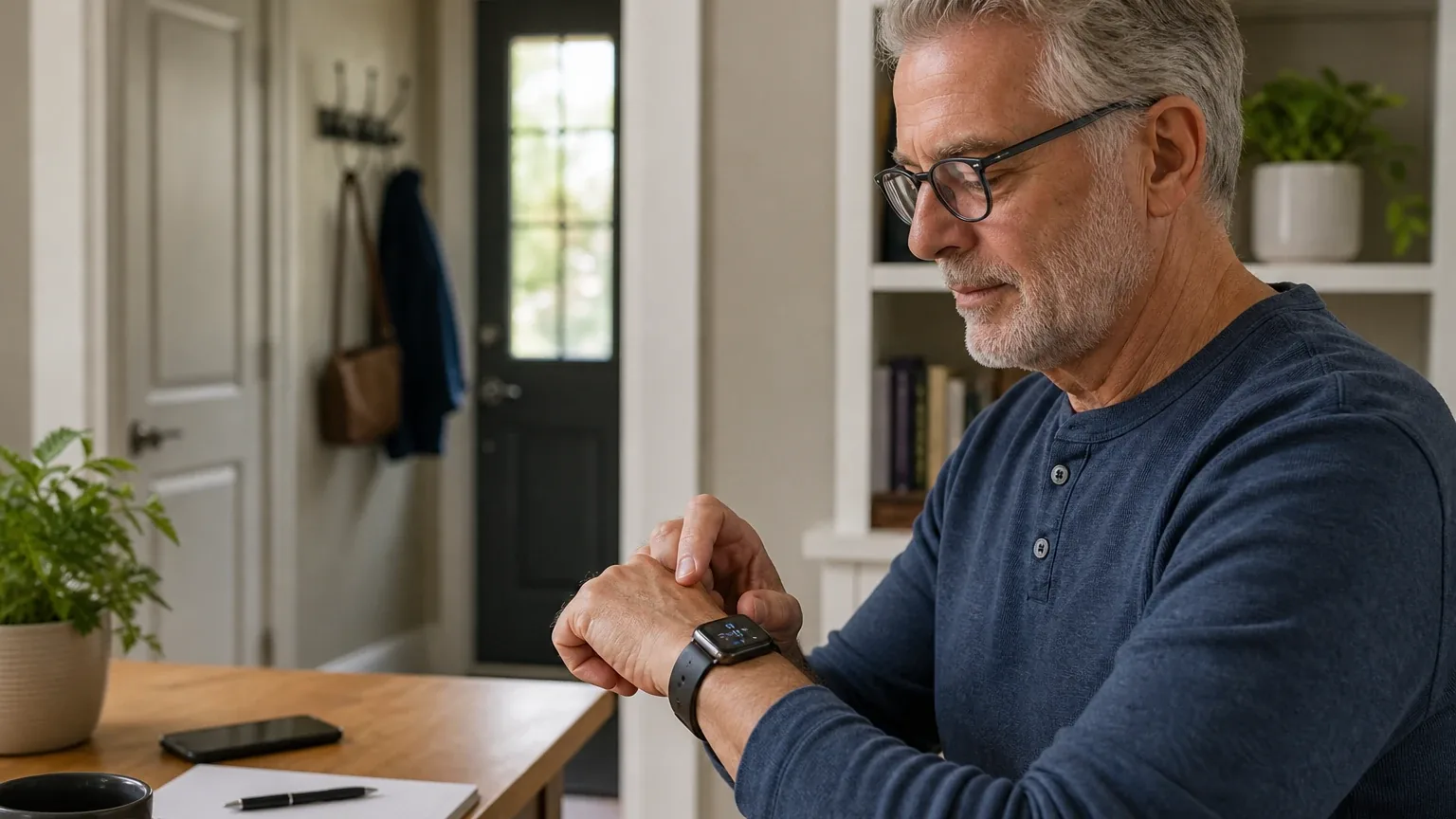
Answer Capsule
LifeFone is a good fit for Watch-Style Emergency Response, with 2 of 7 platforms naming it during the ranking stage (deepseek and google). The strongest reason to consider LifeFone is its Safe Watch Active model, which combines a discreet smartwatch form factor with professional 24/7 monitoring, GPS-enabled cellular coverage, two-way calling, and optional fall detection at a competitive $5/month add-on. The main limitation is the approximately 24-hour battery life requiring daily charging, which creates a practical failure point for some older adults. Independent testing confirms useful but imperfect GPS and fall-detection performance. The LifeFone DuOS1 Pro model could not be verified as a current product in official or independent sources.
Research Snapshot
| Metric | Value |
|---|---|
| Platform mentions in ranking stage | 2 of 7 platforms (deepseek, google) |
| Share of included platform responses | 28.6% |
| Average listed rank | 4.5 |
| Best listed rank | 4 (google) |
| Relevant product/model/plan | Safe Watch Active with optional Fall Detection |
| Overall use-case fit | Good (4 of 7 platforms rated good or strong) |
| Research date | 2026-08-07 |
Why LifeFone Qualified for This Study
LifeFone qualified for this Watch-Style Emergency Response study because two of the seven AI platforms (deepseek and google) named the company during the ranking stage for best medical alert watches for seniors. Deepseek ranked LifeFone 5th and google ranked it 4th, producing an average rank of 4.5 across the two naming platforms [1].
The company's Safe Watch Active model was the primary product evaluated across platforms. Four of seven platforms rated LifeFone as a "good" fit (openai, anthropic, deepseek), two rated it "strong" (google, grok), and two rated it "uncertain" (perplexity, kimi) due to inability to verify product details from available sources.
The Product, Model, Plan, or Service Most Relevant to Watch-Style Emergency Response
The LifeFone Safe Watch Active is the most relevant product for this use case. It is a GPS-enabled medical alert watch with a dedicated SOS control, two-way voice communication, and optional automatic fall detection [3].
The Safe Watch Active operates on the AT&T 4G LTE network exclusively, with cellular service included in the subscription [6]. It uses multi-constellation GNSS technology combining GPS, cellular, and Wi-Fi signals for location pinpointing [8].
The watch includes integrated health tracking features including a heart rate monitor and pedometer, which normalize daily wear and reduce the medical-device stigma [9]. It offers digital and analog display options with a modern smartwatch aesthetic [10].
Important verification note: The LifeFone DuOS1 Pro, which appeared in some platform recommendations, could not be verified as a current LifeFone product. OpenAI explicitly stated the DuOS1 Pro "could not be independently verified as a current LifeFone product" [3], and anthropic noted "no product with this name found in current 2026 LifeFone lineup" [11]. Buyers should confirm the exact model being supplied before purchase.
What the AI Platforms Agreed About
Strong agreement on watch form factor and discretion. Multiple platforms noted that the Safe Watch Active's smartwatch design reduces the stigma associated with traditional medical alert pendants. Anthropic described it as "modern smartwatch design reduces medical stigma and feels like consumer device, not alert system" [12]. Google noted it "avoids the stigmatizing look of traditional panic buttons" [13].
Strong agreement on zero upfront equipment costs. Four platforms highlighted that LifeFone charges no upfront equipment fee for the Safe Watch Active, which is rare for the smartwatch category [14]. Anthropic called this "a rare for smartwatch category, highly competitive advantage" [14].
Strong agreement on fall detection as an optional add-on. All platforms that verified product details confirmed fall detection is available as a $5/month add-on, not included in the base price [18]. Anthropic noted this is "half the industry average price" for fall detection [19].
Strong agreement on approximately 24-hour battery life. The company advertises up to 24 hours of battery life [20], and independent sources confirm this requires daily charging [21]. This was consistently identified as the primary limitation.
Majority agreement on no long-term contracts. LifeFone states customers can cancel at any time and pay only for time used [16]. The company advertises a 30-day money-back guarantee and lifetime customer price guarantee [16].
Majority agreement on AT&T network dependency. The Safe Watch Active operates exclusively on AT&T 4G LTE [24]. LifeFone states its cellular systems use AT&T and Verizon networks through LifeFone's service [16], though the Safe Watch Active specifically requires AT&T coverage.
Where the AI Platforms Disagreed or Were Uncertain
DuOS1 Pro product existence. Deepseek and kimi listed the DuOS1 Pro as a relevant product, while openai, anthropic, and perplexity could not verify it exists in the current lineup. OpenAI stated the model "could not be independently verified as a current LifeFone product" [26]. Anthropic noted "no product with this name found in current 2026 LifeFone lineup" [27]. This is a significant factual conflict that buyers must resolve directly with LifeFone.
Battery life with fall detection enabled. Anthropic cited a source claiming fall detection battery life is "reduced from 24 hours to approximately 1 year when feature is enabled" [28]. This appears to be a typographical or source error, as the company warns that adding fall detection may reduce battery life [26]. The claim is internally inconsistent and should not be relied upon.
Fall detection test results. SafeWise testing reported detection of five out of six test falls for the Safe Watch Active [29], while anthropic cited the same SafeWise evaluation as detecting "all six test falls" [31]. Anthropic also noted "one test call dropped before reaching monitoring center" during fall detection testing [31]. These discrepancies suggest test methodology or reporting differences.
Pricing variations. Deepseek reported monthly pricing starting around $19.95–$29.95 with fall detection adding approximately $10/month [32], while openai, anthropic, google, and grok reported base pricing of $43.95–$47.95/month with fall detection at $5/month [26]. The deepseek figures appear to reference different LifeFone plans or older pricing and should be treated as unreliable for the Safe Watch Active.
Overall fit rating. Two platforms (perplexity, kimi) rated LifeFone as "uncertain" because they could not verify product details from their available source sets. Perplexity noted "the only retrievable sources are unrelated software-pricing references" [35], and kimi stated "the specified products and their specifications, pricing, and features could not be verified".
Use-Case-Specific Features and Capabilities
SOS Button Accessibility
Assessment: Advantage. The Safe Watch Active includes a dedicated emergency-help control for direct access to LifeFone's monitoring center [36]. Independent testing confirmed the device successfully triggered emergency calls when activated [38]. However, current public materials do not provide detailed button-size, tactile-feedback, or accessibility specifications [36].
GPS and Location Capability
Assessment: Advantage with caveats. The Safe Watch Active uses multi-constellation GNSS combining GPS, cellular, and Wi-Fi for location pinpointing [39]. Independent testing reported the watch correctly identified two of three test locations, indicating useful but imperfect performance [40]. Anthropic cited an independent clinical evaluation noting "strong GPS and location tracking performance" [42]. Indoor location accuracy can be inconsistent [43].
Two-Way Calling Clarity
Assessment: Advantage. The watch supports two-way voice communication through a built-in speaker and microphone [44]. SafeWise rated audio quality as excellent in testing [40]. Independent testing recorded average emergency response times of 49 seconds [46]. LifeFone does not publicly provide model-specific measured audio specifications [40].
Fall Detection Capability
Assessment: Advantage with limitations. Automatic fall detection is available as a $5/month add-on [36]. LifeFone expressly cautions that no fall-detection system detects 100% of falls and that users should press the help button when able [36]. Independent testing reported detection of five of six test falls [40], though anthropic cited the same evaluation as detecting all six [48]. One test call dropped before reaching the monitoring center [48].
Battery Life
Assessment: Limitation. The official product page warns that adding fall detection may reduce battery life [36]. Independent sources describe battery life as approximately all-day or up to about 24 hours [49]. This requires daily charging discipline, which anthropic identified as a "behavioral dependency" [52].
Display Readability
Assessment: Unclear. The product is marketed as a smartwatch-style device with wellness features [36]. It offers digital and analog display options [53]. However, the reviewed public sources do not establish display dimensions, font-size options, contrast settings, brightness, or accessibility modes [36]. Deepseek reported the DuOS1 Pro has a 1.2-inch touchscreen with adjustable font, but this model's existence is unverified [43].
Monitoring and Response Model
Assessment: Advantage. The Safe Watch Active plan includes 24/7 emergency-care monitoring and a personalized emergency response plan [36]. Independent testing recorded average emergency response times of 49 seconds [46]. Public materials do not establish a guaranteed response time or whether emergency calls always route through a monitoring agent rather than directly to 911 [36].
Pricing, Fees, Contracts, and Ongoing Costs
Known Costs
| Cost Item | Amount | Source |
|---|---|---|
| Monthly billing | $47.95/month | [55] |
| Quarterly billing | $137.85/quarter ($45.95/month) | [55] |
| Annual billing (standard) | $527.40/year ($43.95/month) | [55] |
| Annual billing (promotional) | $483.45/year ($40.29/month) | [55] |
| Fall detection add-on | $5/month | [55], [56] |
| Daily check-in service | $19/month | [55] |
| Protection plan | $5/month | [55] |
| Caregiver Mobile App | $8/month | [57] |
| Optional lock boxes | $29.95–$39.95 | [55] |
Fees and Contract Terms
LifeFone advertises no activation or equipment fees [58]. The company states customers can cancel at any time and pay only for time used [58]. A 30-day money-back guarantee and lifetime customer price guarantee are advertised [58].
Pro-rated refunds for prepaid service are available after equipment is received [61]. Equipment must be returned to cease billing [61]. The reviewed public materials do not fully clarify how refunds are calculated for quarterly or annual prepayment, shipping-return deadlines, or charges for damaged or unreturned equipment [58].
Pricing confidence is high for the Safe Watch Active based on multiple consistent independent and company sources [55]. However, deepseek's reported pricing of $19.95–$29.95/month conflicts with all other sources and should be disregarded [64].
Best Suited For
LifeFone's Safe Watch Active is best suited for:
- Active older adults who want a discreet, modern watch-style device that doesn't look medical [65]
- Users who need on-the-go cellular and GPS coverage rather than only in-home protection [67]
- Buyers who value transparent subscription pricing with no activation fee and cancellation flexibility [69]
- Users interested in optional fall detection and basic wellness features such as heart-rate and step tracking [71]
- Budget-conscious buyers seeking zero upfront equipment costs and the lowest fall-detection add-on in the category [72]
- Seniors willing to charge daily in exchange for smartwatch functionality and all-day operation [73]
Probably Not Best Suited For
LifeFone's Safe Watch Active is probably not best suited for:
- Users who require several days of battery life between charges; the watch requires daily charging [74]
- Users with significant vision, dexterity, or cognitive limitations who need an especially simple interface; the touchscreen may be difficult for users with advanced tremors [76]
- Buyers seeking a full-featured consumer smartwatch ecosystem with third-party apps or cellular phone pairing [77]
- Users in areas with poor AT&T 4G LTE coverage; the watch operates exclusively on AT&T with no alternative network fallback [78]
- Buyers specifically seeking the DuOS1 Pro, because that model was not verified in current official or independent sources [74]
- Users who sleep with their device and need it charged overnight [75]
When Another Option May Be Better
Consider alternatives in these situations:
- Multi-day battery life is a priority: LifeFone's own VIPx offers up to 10 days of battery life, and the VIP Active offers 5 days [80]. Competing watches like Belle W offer up to 7 days in Ready Mode, and Liferun offers up to 7 days [81].
- Fall detection sensitivity adjustment is required: Spacetalk Life offers adjustable sensitivity with a 30-second cancel window [83].
- The user has low vision, poor dexterity, or difficulty navigating a display: A simpler pendant or voice-in-pendant system may be more appropriate [84].
- The buyer prioritizes broader smartwatch features: A consumer smartwatch such as Apple Watch may be better if the buyer can manage setup, charging, and emergency-contact configuration [84].
- AT&T coverage is inadequate: Consider providers using alternative networks, such as Medical Guardian or Bay Alarm Medical [85].
- Independently published response-time testing is purchase-critical: Verify whether LifeFone can provide current written response-time terms before purchase [84].
Questions to Verify Before Buying
- Is the exact device being supplied the current Safe Watch Active, and is the DuOS1 Pro still available under any current name? [86]
- What is the typical and minimum battery runtime with fall detection enabled, and how long does a full charge take? [86]
- Does the watch support communication with caregivers, or only with the LifeFone monitoring center? [86]
- What happens if the watch cannot obtain GPS, Wi-Fi, or cellular location? [86]
- Which cellular networks and bands are used, and is coverage adequate at the user's home, usual travel locations, and rural areas? [88]
- What are the display dimensions, text size, brightness, contrast, and accessibility options? [86]
- How are suspected falls handled, and can the user cancel a false alarm directly from the watch? [86]
- Are there any limits on emergency calls, roaming, international use, or use outside the United States? [86]
- For prepaid quarterly or annual plans, what refund is available after cancellation and how must the equipment be returned? [90]
- What charges apply if the watch is lost, damaged, or not returned? [86]
- Does the 30-day money-back guarantee cover fall-detection fees, shipping, and partial billing periods? [90]
- Can LifeFone provide the current written price-lock, cancellation, warranty, and emergency-response terms before purchase? [86]
Final AI Consensus Verdict
LifeFone is a good, but not unequivocally strong, fit for Watch-Style Emergency Response. The current Safe Watch Active aligns well with the buyer's need for a discreet GPS-enabled wearable, SOS access, two-way monitored communication, and optional fall detection [92].
Four of seven platforms rated LifeFone as "good" or "strong" for this use case, with two rating it "uncertain" due to verification limitations. The product's principal tradeoffs are likely daily charging, imperfect GPS and fall-detection performance, and limited disclosure of display accessibility and technical specifications [92].
The product should be shortlisted when professional monitoring and a watch form factor matter more than long battery life or full smartwatch functionality. The DuOS1 Pro should not be treated as verified until LifeFone confirms its current model name, availability, and specifications [92].
For a broader comparison of watch-style emergency response options, see the Watch-Style Emergency Response consensus index. You can also explore other options in the medical alert systems category directory.
How This Review Was Produced
This review was produced by aggregating fit-research responses from seven AI platforms (openai, anthropic, deepseek, grok, perplexity, kimi, google) that evaluated LifeFone for the Watch-Style Emergency Response use case. Each platform assessed LifeFone against seven criteria: SOS button accessibility, GPS accuracy, two-way calling clarity, fall-detection capability, battery life, display readability, and subscription pricing.
The research date for this study is 2026-08-07. Platform-reported research dates varied, with deepseek reporting 2026-04-12 and all other platforms reporting 2026-08-07.
The evidence base includes 22 deduplicated sources: 12 company-owned sources (primarily lifefone.com) and 10 independent sources (including safewise.com, caring.com, medgrade.org, seniorliving.org, and medicalalertinsight.com). Company-owned citations materially outnumber independent citations, so company claims should not be treated as independently verified.
Methodology Limitations
- Platform mentions vs. evaluations: All seven platforms evaluated LifeFone's fit, but only two platforms (deepseek, google) named LifeFone during the ranking discovery stage. The platform_mentions count of 2 reflects ranking-stage visibility, not evaluation coverage.
- Product verification gaps: The LifeFone DuOS1 Pro could not be verified as a current product by multiple platforms. The Safe Watch Active was the primary verified product.
- Platform-reported date discrepancies: Deepseek reported a research date of 2026-04-12, which differs from the authoritative run date of 2026-08-07. This is a methodology limitation.
- Official-site retrieval failures: The normalization audit noted that official-site retrieval failed for one or more mentions, and no failed fetch was used as a verified domain key.
- Source validation: The supplied URLs were collected from platform responses and were not independently validated by the writer stage.
- Limited independent testing: Independent testing of GPS and fall detection involved limited test samples and should not be treated as a guarantee of performance.
- Unverified claims: Some platform-reported claims (such as deepseek's pricing of $19.95–$29.95/month) conflict with all other sources and could not be independently verified.
Sources
Company-Owned Sources
- Belle W Medical Alert Watch: https://freebirdmedicalalerts.com/products/belle-w-medical-alert-watch
- LifeFone Official Website - Medical Alert Watches: https://lifefone.com/
- Liferun Belle W: https://liferun.com/liferun-belle-w/
- Liferun Smartwatch: https://liferun.com/liferun-smartwatch/
- Life Smartwatch: https://spacetalk.co/pages/life-smartwatch
- CPR Guardian X Service Plan; Tunstall Gem5: https://www.cprguardian.com/products/cpr-guardian-x
- Safe Watch Active ® | GPS Medical Alert Watch | LifeFone: https://www.lifefone.com/at-home-and-on-the-go-safe-watch-active
- LifeFone Frequently Asked Questions: https://www.lifefone.com/faq
- Safe Watch Active User Guide: https://www.lifefone.com/media/pdf/manuals/Safe_watch_user-guide_092723.pdf
- At-Home and On-the-Go Safe Watch Active: https://www.lifefone.com/medical-alert-service/at-home-and-on-the-go-safe-watch-active
- IT Service and Development Pricing — ScienceSoft: https://www.scnsoft.com/about/how-we-work/pricing-models
- CPR Guardian X Service Plan; Tunstall Gem5: https://www.tunstallhealthcare.com.au/tunstall-gem5/
Additional AI research evidence96 records
- AI research evidence record deepseek:c1
- AI research evidence record google:1.1.1
- AI research evidence record openai:c1
- AI research evidence record openai:c2
- AI research evidence record anthropic:c5
- AI research evidence record anthropic:c19
- AI research evidence record anthropic:c20
- AI research evidence record anthropic:c3
- AI research evidence record anthropic:c18
- AI research evidence record anthropic:c11
- AI research evidence record anthropic:c1
- AI research evidence record anthropic:c11
- AI research evidence record google:1.1.1
- AI research evidence record anthropic:c15
- AI research evidence record google:1.1.4
- AI research evidence record openai:c3
- AI research evidence record grok:c1
- AI research evidence record openai:c1
- AI research evidence record anthropic:c14
- AI research evidence record anthropic:c9
- AI research evidence record openai:c6
- AI research evidence record grok:c2
- AI research evidence record anthropic:c16
- AI research evidence record anthropic:c19
- AI research evidence record anthropic:c20
- AI research evidence record openai:c1
- AI research evidence record anthropic:c1
- AI research evidence record anthropic:c8
- AI research evidence record openai:c4
- AI research evidence record grok:c1
- AI research evidence record anthropic:c7
- AI research evidence record deepseek:c3
- AI research evidence record anthropic:c13
- AI research evidence record google:1.1.1
- AI research evidence record perplexity:c1
- AI research evidence record openai:c1
- AI research evidence record openai:c2
- AI research evidence record anthropic:c2
- AI research evidence record anthropic:c3
- AI research evidence record openai:c4
- AI research evidence record grok:c1
- AI research evidence record anthropic:c4
- AI research evidence record deepseek:c2
- AI research evidence record anthropic:c5
- AI research evidence record openai:c5
- AI research evidence record anthropic:c6
- AI research evidence record anthropic:c14
- AI research evidence record anthropic:c7
- AI research evidence record openai:c6
- AI research evidence record grok:c2
- AI research evidence record google:1.1.4
- AI research evidence record anthropic:c9
- AI research evidence record anthropic:c11
- AI research evidence record openai:c3
- AI research evidence record openai:c1
- AI research evidence record anthropic:c14
- AI research evidence record anthropic:c13
- AI research evidence record openai:c3
- AI research evidence record anthropic:c15
- AI research evidence record anthropic:c16
- AI research evidence record anthropic:c17
- AI research evidence record google:1.1.1
- AI research evidence record grok:c1
- AI research evidence record deepseek:c3
- AI research evidence record anthropic:c11
- AI research evidence record google:1.1.1
- AI research evidence record openai:c1
- AI research evidence record anthropic:c3
- AI research evidence record openai:c3
- AI research evidence record anthropic:c15
- AI research evidence record anthropic:c18
- AI research evidence record anthropic:c14
- AI research evidence record anthropic:c9
- AI research evidence record openai:c1
- AI research evidence record anthropic:c9
- AI research evidence record anthropic:c12
- AI research evidence record google:1.1.1
- AI research evidence record anthropic:c19
- AI research evidence record anthropic:c1
- AI research evidence record anthropic:c10
- AI research evidence record kimi:c3
- AI research evidence record kimi:c6
- AI research evidence record kimi:c4
- AI research evidence record openai:c1
- AI research evidence record anthropic:c19
- AI research evidence record openai:c1
- AI research evidence record anthropic:c1
- AI research evidence record anthropic:c19
- AI research evidence record anthropic:c20
- AI research evidence record openai:c3
- AI research evidence record anthropic:c17
- AI research evidence record openai:c1
- AI research evidence record anthropic:c5
- AI research evidence record google:1.1.1
- AI research evidence record anthropic:c9
- AI research evidence record anthropic:c1
Independent Sources
- LifeFone Safe Watch Active Review: Modern Aesthetics Meets 24/7 Safety - MedGrade: https://medgrade.com/
- LifeFone Safe Watch Active – MedGrade: https://medgrade.org/devices/lifefone-safe-watch-active/
- LifeFone Safe Watch Active Review: Integrated Health Tracking and Rapid Response – MedGrade: https://medgrade.org/reviews/lifefone-safe-watch-active-review/
- LifeFone Review: Best Value With Free Spouse Monitoring: https://medicalalertinsight.com/lifefone-review/
- LifeFone Medical Alert System Review 2026: https://www.caring.com/senior-products/best-medical-alert-systems/lifefone
- LifeFone Reviews - Medical Alert System Ratings: https://www.consumerreports.org/health/medical-alert-systems/lifefone-review/
- LifeFone Medical Alert Systems Review: https://www.medicalalertadvice.com/lifefone-review/
- LifeFone Medical Alerts | Hands-On Expert Review: https://www.safewise.com/senior-safety/medical-alerts/lifefone/
- Top 4 Best Medical Alert Watches for Seniors (2026 Edition): https://www.safewise.com/senior-safety/medical-alerts/watches/
- LifeFone Medical Alert System Review 2026 – SeniorLiving.org: https://www.seniorliving.org/medical-alert-systems/lifefone/reviews/
Additional AI research evidence96 records
- AI research evidence record deepseek:c1
- AI research evidence record google:1.1.1
- AI research evidence record openai:c1
- AI research evidence record openai:c2
- AI research evidence record anthropic:c5
- AI research evidence record anthropic:c19
- AI research evidence record anthropic:c20
- AI research evidence record anthropic:c3
- AI research evidence record anthropic:c18
- AI research evidence record anthropic:c11
- AI research evidence record anthropic:c1
- AI research evidence record anthropic:c11
- AI research evidence record google:1.1.1
- AI research evidence record anthropic:c15
- AI research evidence record google:1.1.4
- AI research evidence record openai:c3
- AI research evidence record grok:c1
- AI research evidence record openai:c1
- AI research evidence record anthropic:c14
- AI research evidence record anthropic:c9
- AI research evidence record openai:c6
- AI research evidence record grok:c2
- AI research evidence record anthropic:c16
- AI research evidence record anthropic:c19
- AI research evidence record anthropic:c20
- AI research evidence record openai:c1
- AI research evidence record anthropic:c1
- AI research evidence record anthropic:c8
- AI research evidence record openai:c4
- AI research evidence record grok:c1
- AI research evidence record anthropic:c7
- AI research evidence record deepseek:c3
- AI research evidence record anthropic:c13
- AI research evidence record google:1.1.1
- AI research evidence record perplexity:c1
- AI research evidence record openai:c1
- AI research evidence record openai:c2
- AI research evidence record anthropic:c2
- AI research evidence record anthropic:c3
- AI research evidence record openai:c4
- AI research evidence record grok:c1
- AI research evidence record anthropic:c4
- AI research evidence record deepseek:c2
- AI research evidence record anthropic:c5
- AI research evidence record openai:c5
- AI research evidence record anthropic:c6
- AI research evidence record anthropic:c14
- AI research evidence record anthropic:c7
- AI research evidence record openai:c6
- AI research evidence record grok:c2
- AI research evidence record google:1.1.4
- AI research evidence record anthropic:c9
- AI research evidence record anthropic:c11
- AI research evidence record openai:c3
- AI research evidence record openai:c1
- AI research evidence record anthropic:c14
- AI research evidence record anthropic:c13
- AI research evidence record openai:c3
- AI research evidence record anthropic:c15
- AI research evidence record anthropic:c16
- AI research evidence record anthropic:c17
- AI research evidence record google:1.1.1
- AI research evidence record grok:c1
- AI research evidence record deepseek:c3
- AI research evidence record anthropic:c11
- AI research evidence record google:1.1.1
- AI research evidence record openai:c1
- AI research evidence record anthropic:c3
- AI research evidence record openai:c3
- AI research evidence record anthropic:c15
- AI research evidence record anthropic:c18
- AI research evidence record anthropic:c14
- AI research evidence record anthropic:c9
- AI research evidence record openai:c1
- AI research evidence record anthropic:c9
- AI research evidence record anthropic:c12
- AI research evidence record google:1.1.1
- AI research evidence record anthropic:c19
- AI research evidence record anthropic:c1
- AI research evidence record anthropic:c10
- AI research evidence record kimi:c3
- AI research evidence record kimi:c6
- AI research evidence record kimi:c4
- AI research evidence record openai:c1
- AI research evidence record anthropic:c19
- AI research evidence record openai:c1
- AI research evidence record anthropic:c1
- AI research evidence record anthropic:c19
- AI research evidence record anthropic:c20
- AI research evidence record openai:c3
- AI research evidence record anthropic:c17
- AI research evidence record openai:c1
- AI research evidence record anthropic:c5
- AI research evidence record google:1.1.1
- AI research evidence record anthropic:c9
- AI research evidence record anthropic:c1
Verify this research
Review the study details behind this page or download the public machine-readable verification record.
- Study date
- Aug 7, 2026
- Platforms analyzed
- 7
- Source records
- 22
- Ranking mentions
- 2 of 7
- Platform share
- 29%
- Final consensus rank
- #7
Research trail and source mix
Platforms
openai, anthropic, deepseek, grok, perplexity, kimi, google
Source mix
10 independent · 12 company-owned
Evidence support
17 direct · 5 partial
Important limitation
Use the run research_date as the study date. Platform-reported dates are provenance metadata and do not independently prove freshness.
Source snapshot SHA-256 7e24d738c3a1565e6f04f5442a778a1e0f3dabfb98e430a16e5f7f0cb566e7bb