
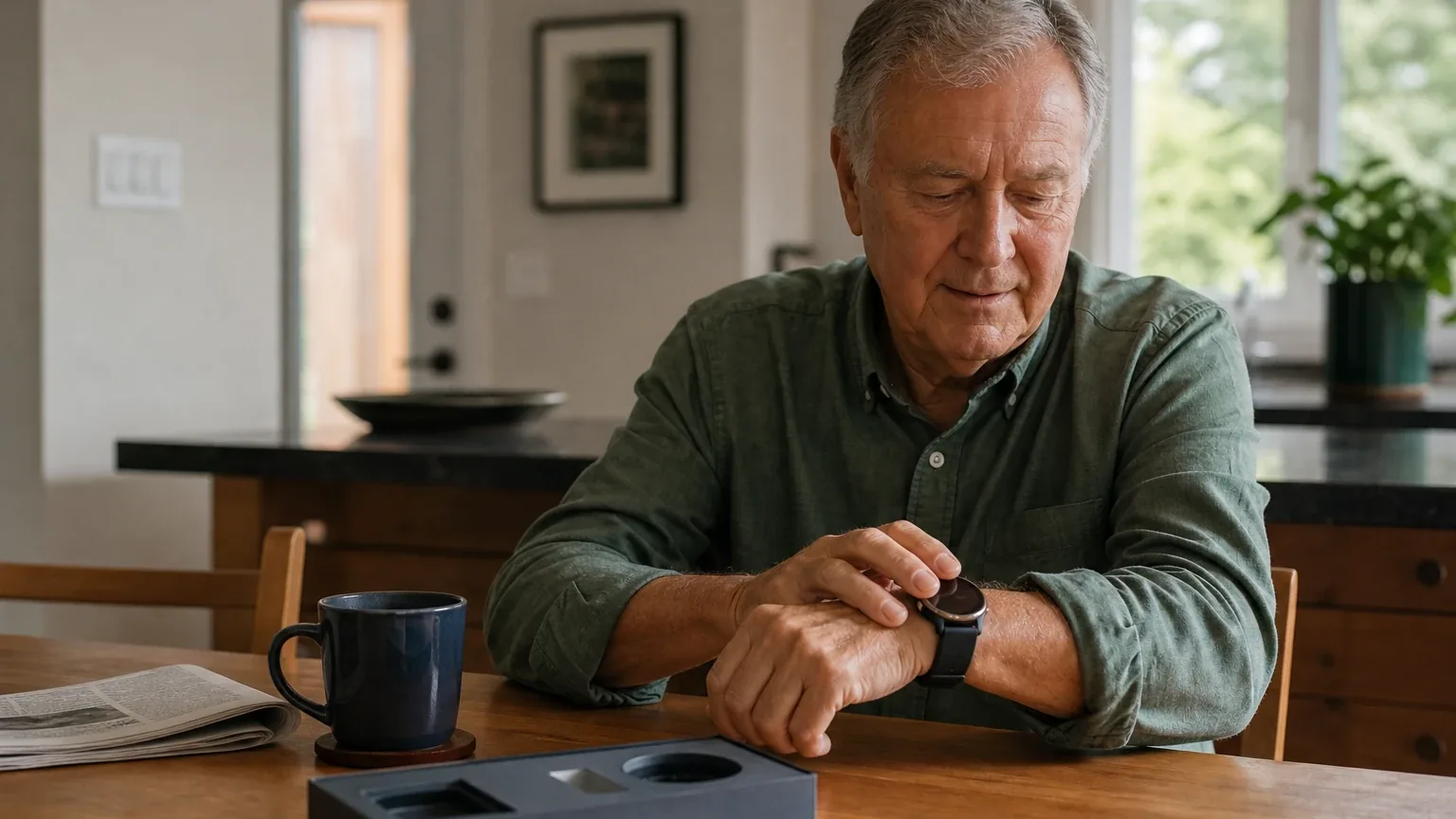
Answer Capsule
LifeStation's Sidekick Smart is a good but conditional fit for Watch-Style Emergency Response. Two of seven AI platforms named LifeStation during the ranking stage (Google ranked it 5th, Kimi ranked it 3rd), giving it a 28.6% platform share and an average listed rank of 4.0. The strongest reason to consider it: the Sidekick Smart is a standalone 4G LTE watch with GPS, two-way calling, and direct connection to a professional monitoring center—no smartphone pairing or home Wi-Fi required. The main limitation: independent testing found inconsistent fall detection (SafeWise detected 4 of 6 falls; Forbes found it did not consistently detect falls), approximately 24-hour battery life requiring daily charging, and weak GPS performance during monitoring-center calls in some tests. Pricing transparency is also poor, with conflicting published monthly rates ranging from $42.95 to $50.95.
Research Snapshot
| Metric | Value |
|---|---|
| Platform mentions in ranking stage | 2 of 7 (Google, Kimi) |
| Share of included platform responses | 28.6% |
| Average listed rank | 4.0 |
| Best listed rank | 3 (Kimi) |
| Relevant product/model/plan | Sidekick Smart with LifeStation 24/7 monitoring service |
| Overall use-case fit | Good, with significant caveats |
| Research date | 2026-08-07 |
Why LifeStation Qualified for This Study
LifeStation qualified because the Sidekick Smart is a dedicated medical alert watch with the core features this use case requires: an SOS activation mechanism, GPS location services, two-way voice communication, fall detection (claimed), a touchscreen display, and a subscription monitoring model [1]. The device operates independently over 4G LTE, meaning it does not require a paired smartphone or home internet connection—a key differentiator for older adults who want a self-contained wearable [1]. LifeStation is an established medical alert provider with U.S.-based monitoring centers, and the Sidekick Smart is its watch-form-factor offering [4].
The Product, Model, Plan, or Service Most Relevant to Watch-Style Emergency Response
The relevant product is the LifeStation Sidekick Smart watch paired with the LifeStation 24/7 monitoring service. The device is a round smartwatch with a 1.82-inch, 360-by-320 LCD capacitive touchscreen [6]. It includes a physical crown/button mechanism for emergency calls, built-in GPS and Wi-Fi radios, a cellular radio for standalone operation, a speaker and microphone for two-way communication, and water resistance suitable for shower wear [9]. LifeStation markets automatic fall detection as included with the Sidekick Smart [13], though independent sources conflict on this point (see below).
What the AI Platforms Agreed About
Standalone operation is a clear strength. Multiple platforms noted that the Sidekick Smart functions independently without a smartphone or home Wi-Fi, connecting directly to LifeStation's monitoring center over 4G LTE [15]. This makes it suitable for active seniors who need protection both at home and away.
The watch form factor is discreet and appealing. Reviewers described the Sidekick Smart as resembling a Garmin-style smartwatch rather than a traditional medical alert pendant, which reduces stigma and encourages daily wear [18]. The device includes fitness features like step counting and heart-rate monitoring, adding value beyond emergency response [15].
Battery life is approximately 24 hours. LifeStation's product page specifies about 24 hours of battery life with nightly charging recommended [15]. Independent NCOA testing confirmed approximately 24 hours [22]. This was consistently identified as a limitation requiring daily charging discipline.
Two-way calling quality is generally acceptable. The watch includes a built-in speaker and microphone for direct communication with the monitoring center [15]. SafeWise reported that conversations remained understandable, though the agent's voice was clipped near the end of most sentences [23]. Medical Alert Buyers Guide reported excellent audio quality with no dropped calls [24].
Emergency response times are competitive. LifeStation claims an average response time of under 15 seconds [25]. Independent testing by Medical Alert Buyers Guide found the call center responded in less than one minute [26], and NCOA rated it the second-fastest response time among tested LifeStation models [27].
No long-term contract and a 30-day trial. Forbes reports no long-term contract [28], and multiple sources confirm a 30-day money-back guarantee [28]. This reduces purchase risk, provided buyers actively test the device during the trial period.
Where the AI Platforms Disagreed or Were Uncertain
Fall detection is the most significant conflict. LifeStation's product page states automatic fall detection is standard with the Sidekick Smart [30]. However, Google's platform reported that the Sidekick Smart model does not support automatic fall detection at all, citing PCMag and Medical Alert Buyers Guide [32]. Grok similarly reported no fall detection on the Sidekick Smart, citing U.S. News and SeniorLiving.org [34]. Meanwhile, independent testing that did evaluate fall detection found inconsistent performance: Forbes reported it did not consistently detect tested falls [36], and SafeWise detected 4 of 6 falls, missing slow falls entirely [38]. This is a fundamental conflict that buyers must resolve directly with LifeStation before purchasing.
GPS accuracy is disputed. LifeStation markets GPS plus Wi-Fi-assisted location services as precise [30]. SafeWise testing found text-to-locate performance was accurate, but GPS performance during a monitoring-center call was poor, with the device knowing the exact location in only 1 of 3 tests [40]. This is a material concern for a device marketed for mobile emergency response.
Battery life claims vary. LifeStation specifies approximately 24 hours [30]. However, Medical Alert Buyers Guide reported that a sales representative claimed 3-5 days of battery life, while independent testing found the watch needed daily charging and went from full charge to 50% in approximately 7 hours of moderate use [43]. The company's own specification of 24 hours is the more conservative and likely more accurate figure.
Pricing is inconsistent across sources. LifeStation's product page states $42.95 per month [30]. Forbes lists $48.95 per month [36], NCOA lists approximately $49 per month [45], and other sources cite $43.95 to $50.95 [46]. DeepSeek could not confirm pricing at all, noting the exact Sidekick Smart price is not listed on the official website [47]. Activation fees of approximately $99.95 to $100 and shipping of about $12.50 are reported by independent sources [36], though some promotional plans waive these fees [49].
Whether fall detection is bundled or separately priced is unclear. NCOA reported a possible $8 monthly fall-detection charge for Sidekick Smart, while other sources describe fall detection as included [45]. LifeStation's current product page states fall detection is standard [30]. This must be confirmed in the written quote.
Use-Case-Specific Features and Capabilities
SOS Button Accessibility
The Sidekick Smart uses a physical crown/button mechanism that users press and hold to initiate an emergency call to the monitoring center [50]. The touchscreen home button also provides emergency activation [51]. A call cancellation feature prevents accidental false alarms [52]. However, no independent ergonomic testing establishes how easy the button is for users with limited dexterity or vision [53].
GPS Accuracy
The device uses GPS, Wi-Fi, and cellular signals for location tracking [55]. LifeStation claims precise location sharing with emergency operators [56]. Independent testing found text-to-locate performance accurate but GPS performance during monitoring-center calls poor in some tests [57]. GPS accuracy in rural, indoor, or urban environments is not independently established [54].
Two-Way Calling Clarity
The watch includes a built-in speaker, microphone, and 4G LTE connection for two-way communication with the monitoring center [53]. SafeWise reported clipped audio at sentence ends but generally understandable conversations [57]. Medical Alert Buyers Guide reported excellent audio quality with no dropped calls [60]. Call clarity in noisy environments is unverified [54].
Fall-Detection Capability
LifeStation states automatic fall detection is included [53]. Independent testing is inconsistent: Forbes found it did not consistently detect falls [62], SafeWise detected 4 of 6 falls and missed slow falls [64], and some sources report no fall detection on this model at all [65]. Fall detection should not be treated as detecting every fall [53].
Battery Life
LifeStation specifies approximately 24 hours with nightly charging recommended [53]. NCOA confirmed approximately 24 hours [69]. Medical Alert Buyers Guide found the watch needed daily charging and reached 50% in about 7 hours of moderate use [70]. This is materially shorter than some non-watch mobile alert devices.
Display Readability
The device has a 1.82-inch, 360-by-320 LCD capacitive touchscreen [71]. SafeWise described the screen as bright and crisp, easy for older adults to read at a glance [73]. However, no independent testing establishes readability for seniors with impaired vision, and font size, contrast, and brightness settings are not documented [53].
Subscription Pricing
Published monthly pricing ranges from $42.95 to $50.95 depending on the source [53]. Reported one-time activation fees are approximately $99.95 to $100, with shipping of about $12.50 [62]. Quarterly and annual plans may waive activation and shipping fees [52]. Fall detection and protection-plan treatment must be confirmed in the quote [69].
Pricing, Fees, Contracts, and Ongoing Costs
Pricing confidence is low due to conflicting public listings. The table below summarizes what different sources report:
| Cost Component | Reported Range | Source |
|---|---|---|
| Monthly monitoring | $42.95–$50.95 | [76] |
| Activation fee | $99.95–$100 | [77] |
| Shipping | ~$12.50 | [77] |
| Fall detection add-on | $0 (included) or ~$8/month | [76] |
| Protection plan | Included or ~$8/month | [78] |
| Family alert add-on | ~$4/month | [81] |
| EMS lockbox | ~$3/month | [81] |
Contract terms: No long-term contract is required; month-to-month service is available [77]. A 30-day money-back guarantee is offered [77]. Quarterly and annual plans offer discounted rates and may waive activation and shipping fees [81]. Exact cancellation methods, refund eligibility, equipment-return requirements, and prorated refunds were not verified [77].
DeepSeek noted that exact pricing is not clearly listed on the official website and that there may be initial equipment costs or activation fees [82]. Kimi could not verify any pricing for the Sidekick Smart [84].
Best Suited For
- Active seniors who want a discreet, standalone emergency watch that works without a smartphone or home Wi-Fi [85]
- Users who prioritize direct connection to a professional monitoring center rather than alerts only to family members [85]
- Mobile users who need GPS-enabled emergency response outside the home [85]
- Buyers who value a visible touchscreen, clock, step counter, and basic heart-rate functionality [85]
- Seniors who will reliably press the SOS button and have strong cellular coverage in their area [90]
- Buyers who want quick monitoring-center response times with no long-term contract commitment [92]
Probably Not Best Suited For
- Older adults who may forget or be unable to charge the device every day—the approximately 24-hour battery life creates a daily charging dependency [95]
- Buyers requiring highly dependable automatic fall detection—independent testing found inconsistent performance, and some sources report no fall detection on this model [97]
- Users needing especially strong GPS performance in all environments—SafeWise found poor GPS performance during monitoring-center calls in some tests [100]
- Seniors with dexterity issues or cognitive impairment who cannot press a button reliably [102]
- Buyers in weak or inconsistent cellular coverage areas—the device will not function in cellular dead zones [104]
- Users who require a caregiver portal or dedicated mobile app for family location tracking—the Sidekick Smart lacks a robust companion app [106]
- Buyers seeking the lowest total cost or fully transparent online pricing [97]
When Another Option May Be Better
- When fall detection is critical and must be highly reliable: Bay Alarm Medical's SOS Smartwatch offers more consistent automatic fall detection at a lower starting price of approximately $39.95 per month [109].
- When extended battery life is essential: Traditional pendants like LifeStation's own Sidekick offer up to 5 days of battery life versus the Sidekick Smart's 1 day [109].
- When a caregiver portal and real-time app tracking are required: Medical Guardian's MG Move offers a dedicated caregiver website [109].
- When cellular coverage is unreliable: In-home systems like LifeStation's Sidekick Home are better suited for limited coverage areas [109].
- When verified pricing and specifications are needed: Belle W (freebirdmedicalalerts.com) and Life Smartwatch (spacetalk.co) offer more transparent feature and pricing disclosure, with Belle W explicitly pricing fall detection at +$10/month [110].
- When a full smartwatch experience is desired: A mainstream cellular smartwatch like the Apple Watch with fall detection may be suitable for iPhone users who can manage smartphone, carrier, charging, and emergency-contact setup [113].
- When the user has limited vision, dexterity, or tolerance for touchscreen controls: A simpler pendant-style system may be more appropriate [113].
Questions to Verify Before Buying
- What is the exact current monthly price for Sidekick Smart in your state, and does it include automatic fall detection? Published prices range from $42.95 to $50.95, and fall-detection inclusion is disputed [115].
- Is the approximately $100 activation fee still charged, and is shipping additional? Independent sources report these fees, but promotional plans may waive them [116].
- Is the protection plan mandatory, included, or optional for your exact order? Sources conflict on whether it is bundled or separately billed [117].
- What are the current cancellation, refund, and equipment-return requirements? The 30-day trial is confirmed, but exact terms are not [116].
- What cellular network does the device use in your area, and what happens where cellular coverage is weak? The device requires cellular connectivity to function [120].
- Can you test the SOS button, speaker, microphone, and display during the trial period? The 30-day window is the only way to verify real-world performance [116].
- What is the real-world battery life with GPS, fall detection, and frequent calls enabled? Company claims and independent tests differ [115].
- How are false fall alarms canceled, and how quickly does the monitoring center respond? Response times under 1 minute are reported, but fall-detection reliability is inconsistent [123].
- Can the monitoring center provide location when GPS is unavailable or indoors? GPS performance was poor in some independent tests [125].
- What accessibility settings are available for font size, contrast, brightness, touch sensitivity, and button operation? No independent testing establishes senior-specific display readability [115].
Final AI Consensus Verdict
LifeStation's Sidekick Smart is a good, but not unequivocally strong, fit for watch-style emergency response. The device provides an independent cellular connection, SOS access, GPS/location services, two-way communication, and professional 24/7 monitoring in a discreet watch form factor. The strongest case for purchase is for active seniors who want a standalone device that works without a smartphone and connects directly to a professional monitoring center.
However, the consensus across platforms identifies three material weaknesses: (1) fall detection is inconsistent in independent testing and disputed as to whether it exists on this model at all; (2) battery life of approximately 24 hours requires daily charging; and (3) GPS performance was poor in some independent tests. Pricing transparency is also poor, with conflicting published rates and unclear add-on fees.
Purchase is most defensible after confirming the current quote, fall-detection terms, cellular coverage, and trial-period performance. The 30-day money-back guarantee is essential—buyers should actively test the SOS button, GPS, calling clarity, and battery life in their actual environment before committing [128].
For a broader comparison of watch-style options, see the Watch-Style Emergency Response consensus index. For other device categories, browse the full medical alert systems directory.
How This Review Was Produced
This review synthesizes fit assessments from seven AI platforms (OpenAI, Anthropic, DeepSeek, Grok, Perplexity, Kimi, and Google) that evaluated LifeStation's Sidekick Smart specifically for watch-style emergency response. Each platform was asked to assess the device against seven criteria: SOS button accessibility, GPS accuracy, two-way calling clarity, fall-detection capability, battery life, display readability, and subscription pricing. Platform responses were compiled on 2026-08-07, with one platform (DeepSeek) reporting an earlier research date of 2026-03-11.
The evidence base includes 20 deduplicated sources: 11 independent sources (including SafeWise, Forbes, NCOA, PCMag, U.S. News, SeniorLiving.org, and Medical Alert Buyers Guide) and 9 company-owned sources (LifeStation product pages, user guides, and pricing pages). Platform-reported research dates differ from the authoritative run date; this is a methodology limitation. The supplied URLs were collected from platform responses and were not independently validated by the writer stage.
Methodology Limitations
- Platform mentions vs. fit evaluations: All seven platforms evaluated fit, but only two (Google and Kimi) named LifeStation during the ranking discovery stage. The 28.6% platform share reflects ranking-stage mentions, not the proportion of platforms that assessed fit.
- Conflicting product information: Sources conflict on whether the Sidekick Smart includes fall detection, on monthly pricing, and on battery life. This review describes the conflicts rather than resolving them.
- Platform-reported dates: DeepSeek reported a research date of 2026-03-11, while all other platforms reported 2026-08-07. The authoritative run date is 2026-08-07.
- Unverified URLs: The supplied URLs were collected from platform responses and were not independently validated.
- No independent testing by this review: All performance claims are attributed to the cited sources; this review did not conduct hands-on testing.
- AI agreement does not prove product quality: Consensus among platforms reflects agreement on the available evidence, not independent verification of product performance.
- Missing evidence: Perplexity and Kimi reported that their search results contained no verifiable product-specific evidence for the Sidekick Smart, resulting in "uncertain" fit ratings from those platforms.
Sources
Company-Owned Sources
- Medical Alert Watch with Fall Detection - Belle W: https://freebirdmedicalalerts.com/products/belle-w-medical-alert-watch
- Life Smartwatch: https://spacetalk.co/pages/life-smartwatch
- Belle W 4G LTE Mobile Personal Emergency Response System: https://www.freeus.com/bellew
- LifeStation Official Website: https://www.lifestation.com/
- Sidekick Smart - LifeStation: https://www.lifestation.com/medical-alert-systems/sidekick-smart/
- Best Smartwatch Medical Alert System for Seniors: https://www.lifestation.com/pdp-sidekick-smart/
- LifeStation Pricing & Plans: https://www.lifestation.com/pricing/
- Sidekick Smart Best Medical Alert Watch for Seniors - LifeStation: https://www.lifestation.com/products/sidekick-smart/
- Sidekick Smartwatch User Guide: https://www.lifestation.com/wp-content/uploads/2022/01/SIDEKICK-SMARTWATCH.pdf
Additional AI research evidence129 records
- AI research evidence record openai:c1
- AI research evidence record google:1.2.2
- AI research evidence record google:1.2.9
- AI research evidence record deepseek:c1
- AI research evidence record kimi:c1
- AI research evidence record openai:c6
- AI research evidence record anthropic:c13
- AI research evidence record google:1.1.4
- AI research evidence record google:1.2.6
- AI research evidence record google:1.2.9
- AI research evidence record anthropic:c20
- AI research evidence record anthropic:c21
- AI research evidence record openai:c1
- AI research evidence record anthropic:c7
- AI research evidence record openai:c1
- AI research evidence record google:1.2.9
- AI research evidence record anthropic:c5
- AI research evidence record anthropic:c18
- AI research evidence record anthropic:c19
- AI research evidence record grok:c1
- AI research evidence record anthropic:c12
- AI research evidence record openai:c5
- AI research evidence record openai:c3
- AI research evidence record anthropic:c6
- AI research evidence record anthropic:c15
- AI research evidence record anthropic:c16
- AI research evidence record anthropic:c17
- AI research evidence record openai:c4
- AI research evidence record anthropic:c2
- AI research evidence record openai:c1
- AI research evidence record anthropic:c7
- AI research evidence record google:1.1.4
- AI research evidence record google:1.2.5
- AI research evidence record grok:c1
- AI research evidence record grok:c2
- AI research evidence record openai:c4
- AI research evidence record anthropic:c8
- AI research evidence record anthropic:c9
- AI research evidence record google:1.2.2
- AI research evidence record openai:c3
- AI research evidence record anthropic:c4
- AI research evidence record anthropic:c12
- AI research evidence record anthropic:c10
- AI research evidence record anthropic:c11
- AI research evidence record openai:c5
- AI research evidence record google:1.1.5
- AI research evidence record deepseek:c1
- AI research evidence record deepseek:c2
- AI research evidence record anthropic:c2
- AI research evidence record google:1.2.6
- AI research evidence record anthropic:c1
- AI research evidence record anthropic:c2
- AI research evidence record openai:c1
- AI research evidence record deepseek:c1
- AI research evidence record anthropic:c3
- AI research evidence record google:1.2.2
- AI research evidence record openai:c3
- AI research evidence record anthropic:c4
- AI research evidence record anthropic:c5
- AI research evidence record anthropic:c6
- AI research evidence record anthropic:c7
- AI research evidence record openai:c4
- AI research evidence record anthropic:c8
- AI research evidence record anthropic:c9
- AI research evidence record google:1.1.4
- AI research evidence record google:1.2.5
- AI research evidence record grok:c2
- AI research evidence record anthropic:c12
- AI research evidence record openai:c5
- AI research evidence record anthropic:c11
- AI research evidence record openai:c6
- AI research evidence record anthropic:c13
- AI research evidence record anthropic:c14
- AI research evidence record google:1.1.5
- AI research evidence record grok:c1
- AI research evidence record openai:c1
- AI research evidence record openai:c4
- AI research evidence record openai:c5
- AI research evidence record google:1.1.5
- AI research evidence record grok:c1
- AI research evidence record anthropic:c2
- AI research evidence record deepseek:c1
- AI research evidence record deepseek:c2
- AI research evidence record kimi:c1
- AI research evidence record openai:c1
- AI research evidence record google:1.2.9
- AI research evidence record google:1.2.4
- AI research evidence record google:1.2.2
- AI research evidence record grok:c1
- AI research evidence record anthropic:c1
- AI research evidence record anthropic:c2
- AI research evidence record anthropic:c15
- AI research evidence record anthropic:c16
- AI research evidence record openai:c4
- AI research evidence record openai:c1
- AI research evidence record openai:c5
- AI research evidence record openai:c4
- AI research evidence record anthropic:c9
- AI research evidence record google:1.1.4
- AI research evidence record openai:c3
- AI research evidence record anthropic:c4
- AI research evidence record anthropic:c1
- AI research evidence record anthropic:c2
- AI research evidence record anthropic:c3
- AI research evidence record deepseek:c1
- AI research evidence record anthropic:c5
- AI research evidence record google:1.2.5
- AI research evidence record deepseek:c2
- AI research evidence record anthropic:c2
- AI research evidence record kimi:c2
- AI research evidence record kimi:c3
- AI research evidence record kimi:c4
- AI research evidence record openai:c1
- AI research evidence record deepseek:c1
- AI research evidence record openai:c1
- AI research evidence record openai:c4
- AI research evidence record openai:c5
- AI research evidence record google:1.1.5
- AI research evidence record anthropic:c2
- AI research evidence record anthropic:c3
- AI research evidence record deepseek:c1
- AI research evidence record anthropic:c11
- AI research evidence record anthropic:c16
- AI research evidence record anthropic:c9
- AI research evidence record openai:c3
- AI research evidence record anthropic:c4
- AI research evidence record openai:c6
- AI research evidence record openai:c4
- AI research evidence record anthropic:c2
Independent Sources
- LifeStation Medical Alert System Review 2026 | U.S. News: https://realestate.usnews.com/home-services/medical-alert-system/lifestation
- Decision‐making of product‐service system solution selection based on integrated weight and technique for order preference by similarity to an ideal solution: https://www.diva-portal.org/smash/get/diva2:1541607/FULLTEXT01.pdf
- LifeStation Medical Alert System Review: https://www.forbes.com/health/medical-alert-systems/lifestation-review/
- LifeStation Sidekick Smart Medical Alert Watch Review: https://www.medicalalertbuyersguide.com/reviews/lifestation-sidekick-smart/
- LifeStation Sidekick Smart Medical Alert Watch Review: https://www.medicalalertbuyersguide.org/smartwatch-medical-alert-system/lifestation-sidekick-smart-medical-alert-watch-review/
- LifeStation Review 2026: Testing the Medical Alert System: https://www.ncoa.org/product-resources/medical-alert-systems/lifestation-review/
- LifeStation Sidekick Smart Review - PCMag: https://www.pcmag.com/reviews/lifestation-sidekick-smart
- LifeStation Review: Hands-On Test Results: https://www.safewise.com/senior-safety/medical-alerts/life-station/
- Top 4 Best Medical Alert Watches for Seniors (2026 Edition) | SafeWise: https://www.safewise.com/senior-safety/medical-alerts/watches/
- LifeStation Medical Alert System Review 2026: https://www.seniorliving.org/medical-alert-systems/lifestation/reviews/
- LifeStation Medical Alert System Review 2026 - SeniorLiving.org: https://www.seniorliving.org/medical-alert/lifestation/
Additional AI research evidence129 records
- AI research evidence record openai:c1
- AI research evidence record google:1.2.2
- AI research evidence record google:1.2.9
- AI research evidence record deepseek:c1
- AI research evidence record kimi:c1
- AI research evidence record openai:c6
- AI research evidence record anthropic:c13
- AI research evidence record google:1.1.4
- AI research evidence record google:1.2.6
- AI research evidence record google:1.2.9
- AI research evidence record anthropic:c20
- AI research evidence record anthropic:c21
- AI research evidence record openai:c1
- AI research evidence record anthropic:c7
- AI research evidence record openai:c1
- AI research evidence record google:1.2.9
- AI research evidence record anthropic:c5
- AI research evidence record anthropic:c18
- AI research evidence record anthropic:c19
- AI research evidence record grok:c1
- AI research evidence record anthropic:c12
- AI research evidence record openai:c5
- AI research evidence record openai:c3
- AI research evidence record anthropic:c6
- AI research evidence record anthropic:c15
- AI research evidence record anthropic:c16
- AI research evidence record anthropic:c17
- AI research evidence record openai:c4
- AI research evidence record anthropic:c2
- AI research evidence record openai:c1
- AI research evidence record anthropic:c7
- AI research evidence record google:1.1.4
- AI research evidence record google:1.2.5
- AI research evidence record grok:c1
- AI research evidence record grok:c2
- AI research evidence record openai:c4
- AI research evidence record anthropic:c8
- AI research evidence record anthropic:c9
- AI research evidence record google:1.2.2
- AI research evidence record openai:c3
- AI research evidence record anthropic:c4
- AI research evidence record anthropic:c12
- AI research evidence record anthropic:c10
- AI research evidence record anthropic:c11
- AI research evidence record openai:c5
- AI research evidence record google:1.1.5
- AI research evidence record deepseek:c1
- AI research evidence record deepseek:c2
- AI research evidence record anthropic:c2
- AI research evidence record google:1.2.6
- AI research evidence record anthropic:c1
- AI research evidence record anthropic:c2
- AI research evidence record openai:c1
- AI research evidence record deepseek:c1
- AI research evidence record anthropic:c3
- AI research evidence record google:1.2.2
- AI research evidence record openai:c3
- AI research evidence record anthropic:c4
- AI research evidence record anthropic:c5
- AI research evidence record anthropic:c6
- AI research evidence record anthropic:c7
- AI research evidence record openai:c4
- AI research evidence record anthropic:c8
- AI research evidence record anthropic:c9
- AI research evidence record google:1.1.4
- AI research evidence record google:1.2.5
- AI research evidence record grok:c2
- AI research evidence record anthropic:c12
- AI research evidence record openai:c5
- AI research evidence record anthropic:c11
- AI research evidence record openai:c6
- AI research evidence record anthropic:c13
- AI research evidence record anthropic:c14
- AI research evidence record google:1.1.5
- AI research evidence record grok:c1
- AI research evidence record openai:c1
- AI research evidence record openai:c4
- AI research evidence record openai:c5
- AI research evidence record google:1.1.5
- AI research evidence record grok:c1
- AI research evidence record anthropic:c2
- AI research evidence record deepseek:c1
- AI research evidence record deepseek:c2
- AI research evidence record kimi:c1
- AI research evidence record openai:c1
- AI research evidence record google:1.2.9
- AI research evidence record google:1.2.4
- AI research evidence record google:1.2.2
- AI research evidence record grok:c1
- AI research evidence record anthropic:c1
- AI research evidence record anthropic:c2
- AI research evidence record anthropic:c15
- AI research evidence record anthropic:c16
- AI research evidence record openai:c4
- AI research evidence record openai:c1
- AI research evidence record openai:c5
- AI research evidence record openai:c4
- AI research evidence record anthropic:c9
- AI research evidence record google:1.1.4
- AI research evidence record openai:c3
- AI research evidence record anthropic:c4
- AI research evidence record anthropic:c1
- AI research evidence record anthropic:c2
- AI research evidence record anthropic:c3
- AI research evidence record deepseek:c1
- AI research evidence record anthropic:c5
- AI research evidence record google:1.2.5
- AI research evidence record deepseek:c2
- AI research evidence record anthropic:c2
- AI research evidence record kimi:c2
- AI research evidence record kimi:c3
- AI research evidence record kimi:c4
- AI research evidence record openai:c1
- AI research evidence record deepseek:c1
- AI research evidence record openai:c1
- AI research evidence record openai:c4
- AI research evidence record openai:c5
- AI research evidence record google:1.1.5
- AI research evidence record anthropic:c2
- AI research evidence record anthropic:c3
- AI research evidence record deepseek:c1
- AI research evidence record anthropic:c11
- AI research evidence record anthropic:c16
- AI research evidence record anthropic:c9
- AI research evidence record openai:c3
- AI research evidence record anthropic:c4
- AI research evidence record openai:c6
- AI research evidence record openai:c4
- AI research evidence record anthropic:c2
Verify this research
Review the study details behind this page or download the public machine-readable verification record.
- Study date
- Aug 7, 2026
- Platforms analyzed
- 7
- Source records
- 20
- Ranking mentions
- 2 of 7
- Platform share
- 29%
- Final consensus rank
- #6
Research trail and source mix
Platforms
openai, anthropic, deepseek, grok, perplexity, kimi, google
Source mix
11 independent · 9 company-owned
Evidence support
11 direct · 4 partial
Important limitation
Use the run research_date as the study date. Platform-reported dates are provenance metadata and do not independently prove freshness.
Source snapshot SHA-256 40c729b3046d28bb9931350628897a1c00862a1652dd0717c0447f04c2e29d64