
Answer Capsule
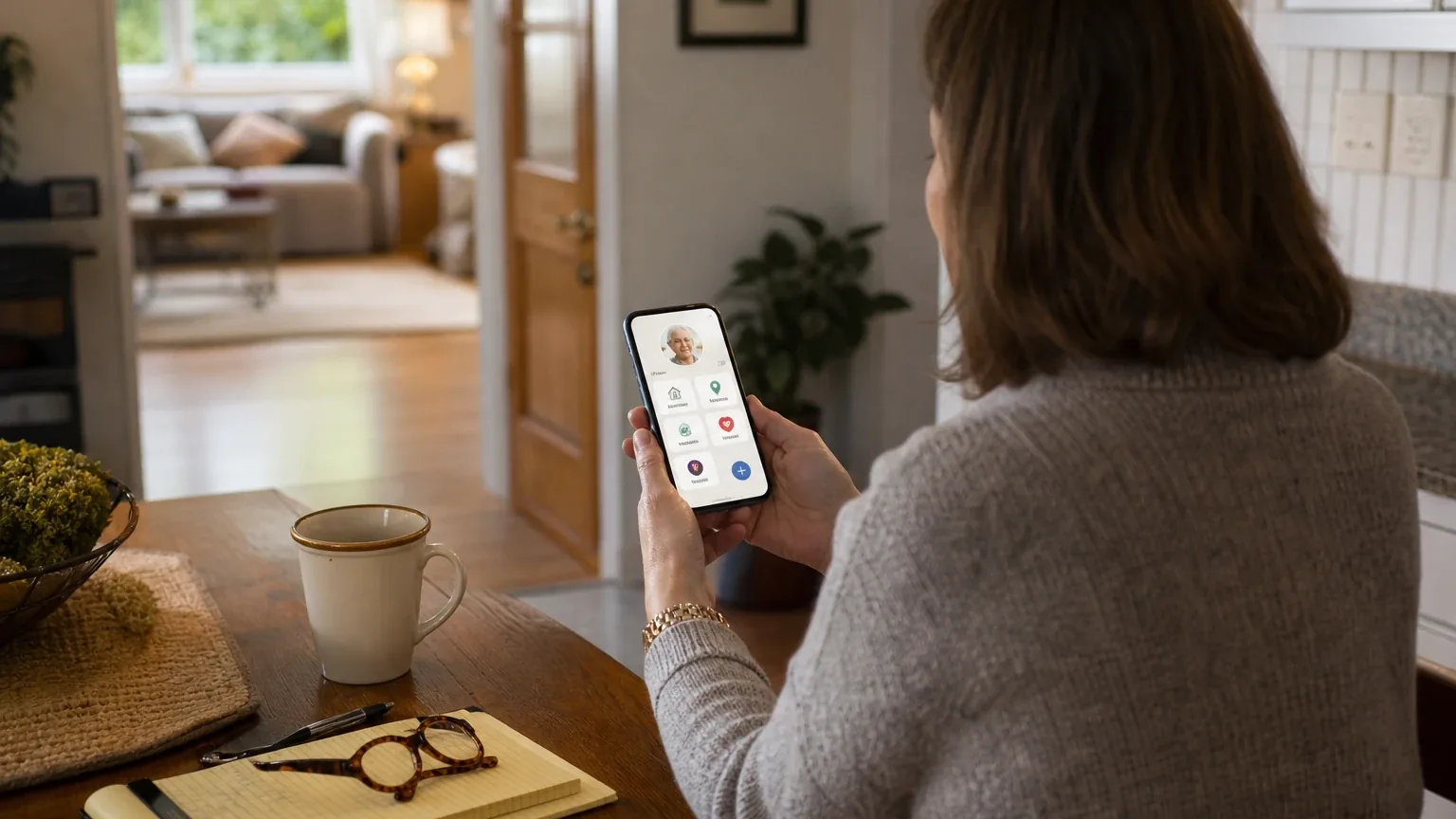
Aloe Care Health is a strong fit for most adult children and family caregivers who want a shared caregiver app, real-time status updates, and professional emergency escalation in one system. Five of the seven included platforms named Aloe Care Health during ranking discovery, and all seven evaluated it for this use case. The strongest reason to consider it is the combination of unlimited caregiver app users, app-to-hub calling, in-home sensors, and optional GPS location through Mobile Companion 2. The main limitation is documentation: granular caregiver permissions, push-alert timing, and location-data retention are not fully specified publicly, and fall detection is explicitly not guaranteed to detect all falls.
Research Snapshot
| Field | Finding |
|---|---|
| Platform mentions in ranking stage | 5 of 7 included platforms (anthropic, deepseek, google, kimi, openai) |
| Share of included platform responses | 71.4% |
| Average listed rank | 3.0 |
| Best listed rank | 1 (openai) |
| Relevant product/model/plan | Essentials Plus with Mobile Companion 2, Smart Hub, Care Button, 24/7 monitoring, and the Aloe Care caregiver app |
| Overall use-case fit | Strong (four platforms), good (two), uncertain (one) |
| Research date | 2026-09-27 |
What Changed Since August 2026
Aloe Care Health moved up from No. 5 to No. 4, and platform mentions increased from 2 to 5. The September 2026 review of Aloe Care Health is a substantial rewrite rather than a minor refresh. The buyer-facing framing now centers more firmly on the caregiver app as the differentiator, with clearer guidance that Essentials Plus is the configuration to choose for shared monitoring plus location coverage, while the limitations described are similar: fall detection is not guaranteed, granular permissions and privacy controls remain undocumented, and Mobile Companion 2 depends on AT&T coverage. Differences between the two editions reflect what each article reports; they do not by themselves prove that the product, service, or price changed.
The August 2026 review preserves the earlier article for reference.
Why Aloe Care Health Qualified for This Study
Questions This Section Answers
- Is Aloe Care Health a good choice for Caregiver App & Family Alerts?
- How many AI platforms named Aloe Care Health for caregiver app and family alert systems?
Aloe Care Health qualified because it was named by five of the seven included platforms during ranking discovery, and every included platform evaluated it against the caregiver app and family alerts criteria. Its listed ranks ranged from 1 to 5, with an average of 3.0 [1].
The entity is a company-level medical alert ecosystem rather than a single device. Aloe Care markets a hub, a wearable, environmental sensors, and a caregiver app as one coordinated system, which is why platforms treated it as a caregiver-app candidate rather than a pendant-only product [1].
Fit ratings were not unanimous. Four platforms rated the fit strong, two rated it good, and one rated it uncertain because its search returned no Aloe Care-specific material at all (kimi:A1). That uncertainty reflects a retrieval failure, not a negative finding about the product.
The Product, Model, Plan, or Service Most Relevant to Caregiver App & Family Alerts
Questions This Section Answers
- Which Aloe Care Health plan should a buyer choose for shared caregiver monitoring with location tracking?
- Does Aloe Care Health Essentials Plus include the caregiver app and Mobile Companion 2?
Essentials Plus is the configuration most platforms tied to this use case. It bundles the 4G Smart Hub, the Mobile Companion 2 wearable, the Care Button, caregiver app access, and professional monitoring, covering both in-home and on-the-go situations [4].
The caregiver app is the shared layer across plans. Aloe Care describes a secure app built for caregiving teams, with real-time updates, app-to-hub calling, check-in logs, and the ability to add multiple people to a Care Circle [6]. The company states the app supports an unlimited number of caregivers while recommending roughly five people per Care Circle for optimal use [7].
Mobile Companion 2 adds GPS-enabled location updates and a Live Locator for emergency situations, and it is the component that makes Essentials Plus relevant to families who want location sharing rather than in-home monitoring alone [8].
Plan naming is not fully consistent across sources. Some pages describe Essentials, Essentials Plus, and Total Care, while a late-2026 review states Total Care was discontinued [10]. Buyers should confirm which tiers are currently sold before choosing.
What the AI Platforms Agreed About
Questions This Section Answers
- What do AI platforms agree on about Aloe Care Health's caregiver app and family alerts?
- Is Aloe Care Health's caregiver app considered easy to use by independent reviewers?
The clearest agreement is that the caregiver app is the product's differentiator for family coordination. Platforms consistently described shared caregiver access, real-time status updates, and app-to-hub communication as core strengths [11].
Independent review coverage supports the app's usability. SafeWise rated Aloe Care as a top medical alert system for caregivers and described the app as high quality and easy to navigate, with indoor temperature, motion activity, and last check-in time visible, plus play-by-play notification when the monitoring center is contacted [14]. Caring.com and SeniorLiving.org similarly treated the caregiver app as a clear differentiator for family visibility (grok:2, grok:5).
Platforms also agreed on the emergency escalation model: a professional response center that can coordinate family or emergency services, with caregivers able to reach the hub directly from the app [15].
A further point of agreement is that fall detection is not guaranteed. Aloe Care states this directly, and platforms repeated the caveat rather than treating fall detection as a complete safety solution [17].
Where the AI Platforms Disagreed or Were Uncertain
Questions This Section Answers
- Why do AI platforms disagree about Aloe Care Health's pricing and plan names?
- What is unclear about Aloe Care Health's caregiver permission levels and privacy controls?
Pricing is the largest conflict. Most sources list Essentials at $39.99/month with $199.99 hardware, Mobile Companion 2 at $44.99/month with $149.99 hardware, and Essentials Plus at $59.99/month with $349.99 hardware [19]. But a mutual insurance partner page shows a different plan structure at $39.99/month, and third-party review pages list older or lower figures [22]. One platform reported a Mobile Companion 2 launch price of $34.99/month with $99.99 hardware, which conflicts with current listings (anthropic:src8). These differences likely reflect plan generations, partner offers, or promotions, but the supplied evidence does not resolve them.
Permission granularity is unresolved across platforms. Aloe Care states caregivers can add multiple people and describes unlimited app users, but public pages checked do not specify administrator roles, per-contact permissions, contact priority rules, or whether access can be restricted by feature [23]. One platform described the app as having authorized credentials and access levels for Care Circle members, but did not document the tiers (grok:5).
Privacy documentation is thin. Platforms noted that data retention, encryption practices, location-history handling, consent controls, and account deletion are not fully explained in the public materials reviewed [25].
One platform found no Aloe Care-specific evidence at all and rated fit uncertain, with all retrieved results pertaining to a different company (kimi:A1). That is a retrieval limitation rather than a contradiction of the other platforms.
Use-Case-Specific Features and Capabilities
Questions This Section Answers
- Does Aloe Care Health provide real-time push alerts and location sharing for family caregivers?
- How many caregivers can use the Aloe Care Health app at the same time?
Caregiver app usability is the strongest supported factor. The app is available on iOS and Android and provides a centralized dashboard with check-in logs, caregiver notes, emergency alerts, motion and environmental data, and direct app-to-hub calling [27].
Real-time push alerts are advertised but not fully documented. Aloe Care describes real-time updates during emergency events, device status and battery checks, and alerts tied to motion, temperature, air quality, and unusual activity [28]. What public materials do not clearly establish is the exact push-notification behavior, alert latency, acknowledgement workflow, or whether every event generates a phone notification [30].
Location sharing runs through Mobile Companion 2, which uses GPS and nationwide AT&T LTE coverage for on-the-go safety, with a Live Locator for emergencies and a find-lost-device function [32]. Public materials do not establish that the product is intended for unrestricted continuous tracking, and detailed location-sharing permissions are not documented [32].
Emergency escalation combines a professional response center with caregiver notification. Aloe Care states its response team can coordinate the right level of support, whether family or emergency services, and caregivers can call into the hub from the app [34]. One platform cited a company statement that 46% of Smart Hub users choose to contact personal caregivers rather than dispatch an ambulance (anthropic:src8).
Multi-contact access is supported but under-specified. The app is described as supporting unlimited caregivers, with family speed dial on the hub and caregiver speed dial on Mobile Companion 2 [35]. Role-based permissions are not documented.
In-home monitoring includes motion sensing, temperature and air-quality monitoring, voice-activated help, and two-way calling, with no household Wi-Fi required because the system uses cellular connectivity [30]. One independent review noted the wearable help button has a range of about 200 feet from the hub, which is shorter than many traditional systems [37].
Pricing, Fees, Contracts, and Ongoing Costs
Questions This Section Answers
- How much does Aloe Care Health cost per month, and what hardware fees apply?
- Does Aloe Care Health require a long-term contract or charge cancellation fees?
Standard listed pricing is consistent across most sources: Essentials at $39.99/month with $199.99 hardware, Mobile Companion 2 at $44.99/month with $149.99 hardware, and Essentials Plus at $59.99/month with $349.99 hardware [39]. Total Care has been listed at $79.99/month with $449.99 hardware, though one late-2026 review states that package was discontinued [42].
Service is required for the hardware to operate, so the monthly fee is not optional [44]. Aloe Care product pages state service can be cancelled at any time, and a 30-day money-back guarantee is advertised [45]. One platform reported no activation or shipping fees and free shipping on reviewed checkout pages [39].
Several cost details remain unverified. Detailed return conditions, refund treatment for opened hardware, return-shipping responsibility, replacement or damage charges, and any restocking or early-cancellation fees are not clearly stated in the reviewed materials [39]. Promotional and partner pages show discounted hardware and other offer language, including a $1 device promotion, so eligibility and expiration should be confirmed before purchase (anthropic:src7, official:C1).
Pricing confidence varied by platform, from high to low, which reflects the conflicts described above rather than a single reliable figure [46].
Best Suited For
Questions This Section Answers
- Who gets the most value from Aloe Care Health for caregiver app and family alerts?
- Is Aloe Care Health worth it for families coordinating care across several people?
Aloe Care Health best suits adult children coordinating care among multiple family members or professional caregivers, because the app is built around shared access rather than a single account holder [48].
It also fits families who want both in-home monitoring and on-the-go location capability, since Essentials Plus pairs the hub and sensors with the Mobile Companion 2 [50].
Buyers who want professional emergency response layered on top of family alerts are a strong match, because the response center can escalate to family or emergency services rather than replacing caregiver involvement [52].
Care recipients who benefit from voice activation, a wearable button, motion monitoring, and two-way communication are also well served by the ecosystem [48].
Probably Not Best Suited For
Questions This Section Answers
- Who should not choose Aloe Care Health for caregiver app and family alerts?
- Is Aloe Care Health a poor fit for buyers who need guaranteed fall detection?
Buyers wanting a low-cost app-only family location or check-in service should look elsewhere, because Aloe Care requires hardware purchase plus a monthly monitoring fee [54].
Families requiring fully documented, granular role-based permissions or highly configurable notification rules are not well served by the current public documentation [54].
Users in areas with unreliable AT&T cellular coverage face a real constraint, since Mobile Companion 2 depends on that network [55].
Buyers seeking guaranteed fall detection should not treat this system as a complete safety solution, because Aloe Care explicitly states fall detection is not guaranteed to detect all falls [55].
Buyers who want a general-purpose continuous location-sharing platform, rather than an emergency and care-coordination product, will find the fit mixed [55].
When Another Option May Be Better
Questions This Section Answers
- What is a better alternative to Aloe Care Health for a buyer who needs the lowest monthly cost?
- When should a buyer choose a different system instead of Aloe Care Health?
Another option may be better when the main requirement is inexpensive family check-ins or location sharing without professional monitoring, since Aloe Care is priced as a monitored system [58].
Buyers who need documented role-based permissions, extensive notification customization, or transparent location-data controls should compare systems that publish those details, because Aloe Care's public materials do not [58].
Families whose care recipient spends time outside AT&T coverage areas should consider a different carrier footprint, since Mobile Companion 2 relies on that network [59].
Buyers prioritizing the lowest total cost, and who do not need a Smart Hub, sensors, or professional response, will likely find simpler wearable-only systems cheaper [58].
Buyers who need integration with electronic health records, medication management, or clinical workflows should look at systems built for those requirements, because no such integration is documented here (anthropic:src1).
Questions to Verify Before Buying
Questions This Section Answers
- What should a buyer confirm with Aloe Care Health before signing up?
- Which Aloe Care Health details are undocumented and need direct confirmation?
Before purchase, confirm which events generate phone push notifications, SMS, email, or in-app alerts, and what the typical alert delay is [61].
Ask whether the account owner can assign different permissions to family members, neighbors, and professional caregivers, and whether location sharing can be limited to emergencies [61].
Confirm the exact emergency escalation rules and caregiver-contact priorities, including when caregivers are contacted versus emergency services [63].
Verify that Mobile Companion 2 works reliably at the care recipient's home, travel locations, and usual outdoor destinations on AT&T coverage [64].
Ask what happens when the device loses cellular service, has a low battery, or is not worn (anthropic:src1).
Confirm return, refund, cancellation, replacement-device, and damaged-equipment terms, plus any activation, restocking, shipping, or early-cancellation charges [66].
Ask what personal, motion, environmental, voice, and location data are collected, how long they are retained, and how the account can be deleted [64].
Confirm whether Total Care is still sold, given conflicting reports about its availability [68].
Final AI Consensus Verdict
Aloe Care Health is a strong fit for Caregiver App & Family Alerts, with four of seven platforms rating the fit strong, two rating it good, and one uncertain due to a retrieval failure rather than a negative finding. The consensus centers on the caregiver app as the differentiator: shared access, real-time updates, app-to-hub calling, and professional escalation in one ecosystem, with Essentials Plus as the most complete configuration for families wanting both in-home and on-the-go coverage.
The consensus also consistently flags the same limitations: fall detection is not guaranteed, granular permissions and privacy controls are not fully documented, Mobile Companion 2 depends on AT&T coverage, and pricing conflicts across sources mean buyers should confirm current figures directly. AI-platform agreement here reflects consistent reporting across models, not independent proof of product quality.
How This Review Was Produced
This review evaluates Aloe Care Health only for the Caregiver App & Family Alerts use case, using platform fit-research responses and the citations those platforms supplied. Seven platforms were included in the study; five named Aloe Care Health during ranking discovery. Fit ratings, strengths, limitations, and pricing details were taken from the supplied platform outputs and their cited sources. No hands-on testing, customer interviews, or independent verification were performed. The consensus index for this category is available at Caregiver App & Family Alerts, and the broader directory is at medical alert systems.
Methodology Limitations
Platform-reported research dates differ from the authoritative run date of 2026-09-27. Anthropic reported 2026-01-10 and deepseek reported 2026-06-08; the remaining platforms reported 2026-09-27. Platform-reported dates are provenance metadata and do not independently prove freshness.
One platform ran without search enabled, so its pricing and feature findings are platform-reported rather than retrieved [70]. One platform retrieved no Aloe Care-specific material and rated fit uncertain on that basis (kimi:A1). Citations are platform-reported evidence, not independently verified facts, and the supplied URLs were not independently validated at the writing stage. Conflicting plan names, pricing, and capabilities were left unresolved rather than guessed. Missing research was not treated as disagreement.
Sources
Company-Owned Sources
- Digital Assistant for Elder Care – Aloe Care mutual insurance provider page: https://get.aloecare.com/mutual/
- Blue Cross: https://members.aloecare.com/bluecross/
- Search Results Contain No Aloe Care Health Data: https://myconnectedcaregiver.com/
- How It Works | Aloe Care Health: https://solutions.aloecare.com/how-it-works
- Aloe Care Mobile Companion 2 Checkout: https://store.aloecare.com/shop/products/212%2C213
- Aloe Care Essentials Plus Checkout: https://store.aloecare.com/shop/products/217%2C218
- Aloe Care Health: Medical Alert for Seniors, Caregivers. Fall detection options: https://vertexaisearch.cloud.google.com/grounding-api-redirect/AUZIYQGY5D-c4-ULtAxePml_s5qCTKS-4JFXATBWQ2dno1pa1_OBK4SRD10okWOLa3Cgb8RCsBGaknbOUMPoB7tjN5rT-sBCZx8JvZf7vRo4o2CP
- Products | Aloe Care Health | Medical alert system for Seniors with options for fall detection: https://vertexaisearch.cloud.google.com/grounding-api-redirect/AUZIYQHeZmn_1021dc_TQNqhBibXF3BNnoDgkxhL_l6HFaH4JesQL2tfTazHuAFaOb26H3Oe1BT0Tg_kBe9ytljDa_b6omtAD0vqFmbPs6KdHgTJj_nX3cdGD3Q=
- Aloe Care Health | Official Site: https://www.aloecare.com/
- ALOE CARE LAUNCHES MOBILE MEDICAL ALERT DEVICE WITH GROUNDBREAKING FEATURES: https://www.aloecare.com/post/aloe-care-launches-mobile-medical-alert-device-with-groundbreaking-features
- Aloe Care Health plans and pricing: https://www.aloecare.com/pricing
- Products | Aloe Care Health: https://www.aloecare.com/products
- Essentials | Aloe Care Health: https://www.aloecare.com/products/essentials
- Essentials Plus | Aloe Care Health: https://www.aloecare.com/products/essentials-plus
- Mobile Companion 2 | Aloe Care Health: https://www.aloecare.com/products/mobile-companion-2
- Official pricing and terms source: https://www.aloecare.com#ach-plans
Additional AI research evidence70 records
- AI research evidence record openai:c1
- AI research evidence record google:1.1.1
- AI research evidence record perplexity:c3
- AI research evidence record openai:c4
- AI research evidence record perplexity:c4
- AI research evidence record openai:c1
- AI research evidence record perplexity:c3
- AI research evidence record openai:c2
- AI research evidence record perplexity:c1
- AI research evidence record google:2.1.2
- AI research evidence record openai:c1
- AI research evidence record google:1.3.1
- AI research evidence record perplexity:c2
- AI research evidence record perplexity:c5
- AI research evidence record openai:c5
- AI research evidence record google:1.1.1
- AI research evidence record openai:c2
- AI research evidence record perplexity:c1
- AI research evidence record openai:c6
- AI research evidence record openai:c7
- AI research evidence record google:1.1.1
- AI research evidence record perplexity:c5
- AI research evidence record openai:c1
- AI research evidence record perplexity:c3
- AI research evidence record openai:c2
- AI research evidence record deepseek:c1
- AI research evidence record google:1.3.4
- AI research evidence record openai:c3
- AI research evidence record perplexity:c2
- AI research evidence record openai:c1
- AI research evidence record deepseek:c1
- AI research evidence record openai:c2
- AI research evidence record perplexity:c1
- AI research evidence record openai:c5
- AI research evidence record perplexity:c3
- AI research evidence record openai:c4
- AI research evidence record google:1.3.7
- AI research evidence record google:2.2.7
- AI research evidence record openai:c6
- AI research evidence record openai:c7
- AI research evidence record google:1.1.1
- AI research evidence record perplexity:c4
- AI research evidence record google:2.1.2
- AI research evidence record perplexity:c1
- AI research evidence record openai:c5
- AI research evidence record deepseek:c2
- AI research evidence record perplexity:c5
- AI research evidence record openai:c1
- AI research evidence record google:1.1.6
- AI research evidence record openai:c4
- AI research evidence record perplexity:c4
- AI research evidence record openai:c5
- AI research evidence record google:1.1.1
- AI research evidence record openai:c1
- AI research evidence record openai:c2
- AI research evidence record perplexity:c3
- AI research evidence record perplexity:c1
- AI research evidence record openai:c1
- AI research evidence record openai:c2
- AI research evidence record perplexity:c3
- AI research evidence record openai:c1
- AI research evidence record deepseek:c1
- AI research evidence record openai:c5
- AI research evidence record openai:c2
- AI research evidence record perplexity:c3
- AI research evidence record openai:c6
- AI research evidence record perplexity:c1
- AI research evidence record google:2.1.2
- AI research evidence record perplexity:c4
- AI research evidence record deepseek:c2
Independent Sources
- Aloe Care Health app – Apple App Store: https://apps.apple.com/us/app/aloe-care-health/id1467385415
- Aloe Care Health Essentials Plus – MedGrade: https://medgrade.org/devices/aloe-care-health-essentials-plus/
- Aloe Care Health – Apps on Google Play: https://play.google.com/store/apps/details?hl=en_US&id=com.htec.aloecare
- Aloe Care Health vs Shelvas Halo: Which Medical Alert System Is Worth Your Money?: https://vertexaisearch.cloud.google.com/grounding-api-redirect/AUZIYQEo8_kxh6djQ_C7sZ6ksYErz101B8fIiwi0AlkN-dP2s8bmblnUtQQ0O4JAii9TvyAFwYCwnz9WC3QgUzD9qIvIDlfuJdl41KVT3zVKaqHvVM6OYrDfiGS6c8g4xoM8UaGbFDXdVEC03DXummJ1D7-2dUdJa7g=
- Aloe Care Health Medical Alert System Review 2026 - SeniorLiving.org: https://vertexaisearch.cloud.google.com/grounding-api-redirect/AUZIYQFxw4yAAzBAQcYeg4nVn7D5j6P4Xx-o_RCm6rQtIFX6w_oFO_32abVkOoK81I4uBLjbkToAYRGtnBcTOQaUQCxseTW-uvvILbZmOoQgvCi4iUVR6m3u7R7ifjQia9V2xzZHFroA4xHb6hYufTa28dKv7ZeyzZXG79HxbkHZFn5_ZEw=
- Aloe Care Health vs Shelvas Halo: Which Medical Alert System Is Worth Your Money?: https://vertexaisearch.cloud.google.com/grounding-api-redirect/AUZIYQGF7P18RV9Oa8eG6SIHA_7jfg0CTznBb0V681msO_wbaO4yKjKIwVanL4CuK4PCVOfvAnNEYEmCvx3rtTiMTs2txQZQfYfSO595R835PnsZA0FcWiz1sfChw9-xDs-ysRNMCuYGxyJBs_A1ywlxsP1ejrsj7nsj
- Aloe Care Health Medical Alert System Review 2026 - Caring.com: https://vertexaisearch.cloud.google.com/grounding-api-redirect/AUZIYQGiNlfvG6Dyw6B_NcW_YDqpFwUXwgBs7A-ckUOPhNLmMMyD1tXv0USZ2VRIhapdqGZv2g7QtJ3yY7geBk39OlJNybRon1M2nqusvK0Io0C_DphB0kmjQHST06cmNPYYTJ9IzpbrapTtu3IdgwB8iRD0PLaVI6r1QrGiYCkzYPIArkJAEnYEf8im
- The Best Medical Alert Systems of 2024 | AssistedLiving.org: https://vertexaisearch.cloud.google.com/grounding-api-redirect/AUZIYQH1awu2Kwcn-TBctGkVnDnPYQca9Isd3oxqD0TfYERjAB8lq9_QsHN_exSsuUzqVQUDx0wlQYmTI4OFsWoYf4NgSziGaWgWQC18aJhhrMA_goMXolI9fspj4kB9LI8fu55CU2f05VpWAFSJOKwQpiA=
- Aloe Care Health Medical Alert System Review 2026 - Caring.com: https://www.caring.com/senior-products/best-medical-alert-systems/aloe-care-health
- Aloe Care Health - Hands-On Expert Review: https://www.safewise.com/senior-safety/medical-alerts/aloe-care-health/
- Aloe Care Health Medical Alert System Review 2026 | seniorliving.org: https://www.seniorliving.org/medical-alert-systems/aloe-care-health/reviews/
Additional AI research evidence70 records
- AI research evidence record openai:c1
- AI research evidence record google:1.1.1
- AI research evidence record perplexity:c3
- AI research evidence record openai:c4
- AI research evidence record perplexity:c4
- AI research evidence record openai:c1
- AI research evidence record perplexity:c3
- AI research evidence record openai:c2
- AI research evidence record perplexity:c1
- AI research evidence record google:2.1.2
- AI research evidence record openai:c1
- AI research evidence record google:1.3.1
- AI research evidence record perplexity:c2
- AI research evidence record perplexity:c5
- AI research evidence record openai:c5
- AI research evidence record google:1.1.1
- AI research evidence record openai:c2
- AI research evidence record perplexity:c1
- AI research evidence record openai:c6
- AI research evidence record openai:c7
- AI research evidence record google:1.1.1
- AI research evidence record perplexity:c5
- AI research evidence record openai:c1
- AI research evidence record perplexity:c3
- AI research evidence record openai:c2
- AI research evidence record deepseek:c1
- AI research evidence record google:1.3.4
- AI research evidence record openai:c3
- AI research evidence record perplexity:c2
- AI research evidence record openai:c1
- AI research evidence record deepseek:c1
- AI research evidence record openai:c2
- AI research evidence record perplexity:c1
- AI research evidence record openai:c5
- AI research evidence record perplexity:c3
- AI research evidence record openai:c4
- AI research evidence record google:1.3.7
- AI research evidence record google:2.2.7
- AI research evidence record openai:c6
- AI research evidence record openai:c7
- AI research evidence record google:1.1.1
- AI research evidence record perplexity:c4
- AI research evidence record google:2.1.2
- AI research evidence record perplexity:c1
- AI research evidence record openai:c5
- AI research evidence record deepseek:c2
- AI research evidence record perplexity:c5
- AI research evidence record openai:c1
- AI research evidence record google:1.1.6
- AI research evidence record openai:c4
- AI research evidence record perplexity:c4
- AI research evidence record openai:c5
- AI research evidence record google:1.1.1
- AI research evidence record openai:c1
- AI research evidence record openai:c2
- AI research evidence record perplexity:c3
- AI research evidence record perplexity:c1
- AI research evidence record openai:c1
- AI research evidence record openai:c2
- AI research evidence record perplexity:c3
- AI research evidence record openai:c1
- AI research evidence record deepseek:c1
- AI research evidence record openai:c5
- AI research evidence record openai:c2
- AI research evidence record perplexity:c3
- AI research evidence record openai:c6
- AI research evidence record perplexity:c1
- AI research evidence record google:2.1.2
- AI research evidence record perplexity:c4
- AI research evidence record deepseek:c2
Verify This Research
Review the study details behind this page or download the public machine-readable verification record.
- Study date
- September 27, 2026
- Platforms analyzed
- 7
- Source records
- 33
- Ranking mentions
- 5 of 7
- Platform share
- 71%
- Final consensus rank
- #4
Research trail and source mix
Configured platforms
openai, anthropic, deepseek, grok, perplexity, kimi, google
Source mix
16 independent · 17 company-owned
Evidence support
26 direct · 6 partial
Important limitation
Use the run research_date as the study date. Platform-reported dates are provenance metadata and do not independently prove freshness.
Source snapshot SHA-256 d3099710f5be4f1eb80341e3daa58cc775bbe83da6ef763207373e8a8c3587dd
Archived editions
Browse earlier published research snapshots for this article. The latest edition remains at the current URL.