
Answer Capsule
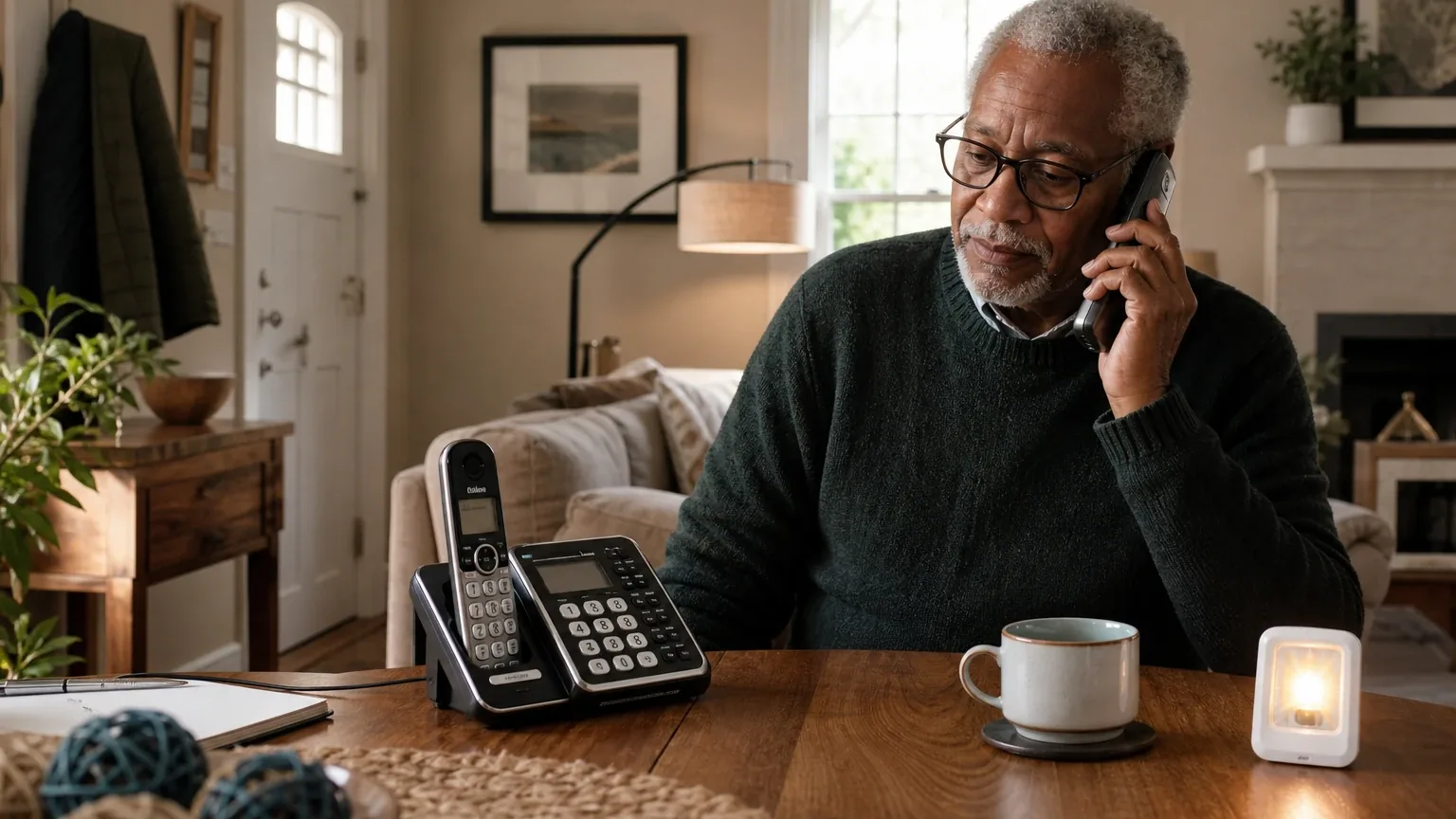
Clarity is a strong fit for seniors with mild-to-severe hearing loss who need amplified landline or cordless phones with hearing aid compatibility, visual ringer alerts, and tone adjustment. Three of seven platforms named Clarity during the ranking stage (deepseek, grok, openai), with an average listed rank of 4.3 and a best rank of 2. The strongest reason to consider Clarity is its amplification range—from 26 dB on the P300 photo phone to 50+ dB on the XLC3.4+ cordless—which covers mild through severe hearing loss. The main limitation is that real-time text captioning is not built into standard models; captioning requires a separate bundle (ClearWord) or service, and the Clarity Ensemble captioning phone appears discontinued. Pricing transparency is low across platforms, and specific HAC M/T ratings are not publicly published for most models.
Research Snapshot
| Metric | Value |
|---|---|
| Platform mentions in ranking stage | 3 of 7 (deepseek, grok, openai) |
| Share of included platform responses | 42.9% (3 of 7) |
| Average listed rank | 4.33 |
| Best listed rank | 2 (deepseek) |
| Final rank | 4 |
| Relevant product/model/plan | Clarity XLC3.4+ (50 dB cordless); Clarity P300 (26 dB corded photo phone); Clarity XLC3.4 (50 dB corded); Clarity ClearWord bundle (captioning) |
| Overall use-case fit | Strong (5 of 7 platforms rated strong or good; 1 uncertain; 1 did not name entity in ranking) |
| Research date | 2026-08-11 |
Why Clarity Qualified for This Study
Clarity qualified because three platforms (deepseek, grok, openai) named the company during the ranking stage for best phones for seniors with hearing loss. The entity met the minimum mention threshold of 2 platforms. Seven platforms total provided fit-research responses evaluating Clarity against the category criteria: decibel amplification level, Hearing Aid Compatibility (HAC) rating, real-time captioning support, visual ringer alerts, and audio clarity enhancement [1].
The Product, Model, Plan, or Service Most Relevant to Amplified & Hearing-Accessible Phones
The most relevant product is the Clarity XLC3.4+ amplified cordless phone, which provides up to 50 dB of incoming amplification, four tone settings, 15 dB outgoing speech amplification, an extra-loud flashing ringer, talking Caller ID, and expandability to three handsets [8]. For mild-to-moderate hearing loss, the Clarity P300 corded photo phone offers up to 26 dB amplification with nine programmable photo-memory buttons [12]. For real-time captioning, Clarity offers the ClearWord bundle—a Samsung smartphone paired with a Clarity XLCgo amplified handset and Snapfōn service with CaptionMate—which requires a data plan [16]. The Clarity Ensemble captioning phone (50 dB with ClearCaptions service) was referenced by two platforms but appears discontinued [17].
What the AI Platforms Agreed About
Amplification range is a core strength. Five platforms (openai, anthropic, deepseek, kimi, google) documented Clarity's tiered amplification: P300 at 26 dB for mild-to-moderate loss, E814CC at 40 dB for moderate loss, and XLC3.4+ at 50+ dB for severe loss [19]. The XLC3.4+ also amplifies outgoing speech by 15 dB [20]. Industry recommendations call for 40-50 dB amplification for moderate-to-severe hearing loss [26].
Hearing aid compatibility is stated but not fully documented. All platforms noted that Clarity phones are described as hearing aid compatible, with TIA-1083 compliance cited for the XLC3.4+ [19]. However, no platform found published M/T HAC ratings (M1-M4, T1-T4) for the XLC3.4+ or P300 on official product pages [28]. FCC records show Clarity received HAC waivers for some older models (Alto Plus, Alto, XL40D, XL45), but not for the current recommended models [28].
Visual ringer alerts are standard. The XLC3.4+ has an extra-loud flashing ringer with adjustable tones and a voicemail indicator; the P300 has a bright visual ring indicator [19]. Ringer volumes range from 75 dB to 100 dB depending on model [31].
Audio clarity enhancement is a differentiator. Clarity's proprietary Clarity Power and Digital Clarity Power (DCP) technologies are designed to reduce background noise, feedback, and distortion while emphasizing incoming speech [19]. The XLC3.4+ offers four tone settings (600-2400 Hz adjustable) for customized listening [20].
Real-time captioning is not built into standard models. This was the most consistent limitation cited across platforms. The P300, XLC3.4, and XLC3.4+ do not include native real-time captioning [19]. Captioning requires either the ClearWord smartphone bundle [37] or a separate captioning service like ClearCaptions [34].
Where the AI Platforms Disagreed or Were Uncertain
Fit ratings varied from strong to uncertain. Five platforms rated Clarity as "strong" (openai, deepseek, grok, kimi) or "good" (anthropic, google), while perplexity rated the fit "uncertain" because its only supplied source was a general product-market-fit article that did not verify any Clarity-specific claims [39]. This uncertainty reflects a lack of independent verification rather than negative evidence.
The E714CC model status is unclear. The requested E714CC model was not found on Clarity's current amplified-phone page [40]. Anthropic noted the E814CC appears in eBay and Amazon listings and combines usability with 40 dB amplification, but the E714CC may be discontinued, renamed, or retailer-specific [41]. Grok referenced the E714CC/D714 series at up to 40 dB with tone settings [42].
The XLC3.4 model identity is conflicting. OpenAI reported that the XLC3.4 is described in independent listings as a cordless model, while the XLC3.4+ is the current official cordless product page result [40]. Deepseek's citation describes the XLC3.4 as an amplified corded phone [44]. Buyers should verify which form factor they are purchasing.
The Clarity Ensemble captioning phone may be discontinued. Kimi cited the Ensemble as an active product with 50 dB amplification and an 8-inch touchscreen using ClearCaptions service [45]. Google's source states the Ensemble is no longer available [46]. This conflict should be resolved with the vendor before purchase.
Pricing estimates varied widely. Deepseek estimated the XLC3.4+ at $100-$120 (deepseek pricing), while anthropic cited approximately $169.95 [47], kimi cited $124-$160 [48], and google cited $150-$279.95 depending on bundle [49]. The P300 ranged from approximately $48.95 [47] to $69.99 at Target [50] to $74.95 [51].
Use-Case-Specific Features and Capabilities
Decibel Amplification Level
Clarity offers a tiered amplification lineup: the P300 provides up to 26 dB for mild-to-moderate loss [52]; the E814CC provides up to 40 dB for moderate loss [56]; and the XLC3.4+ provides 50+ dB for severe loss [57]. The Alto Plus provides 53 dB and is TIA-4953 certified for mild, moderate, and severe hearing loss [60]. The XLC3.4+ also amplifies outgoing speech by 15 dB [57].
Hearing Aid Compatibility (HAC)
Clarity states that the P300 is hearing aid compatible and the XLC3.4+ is hearing aid compatible and TIA-1083 compliant [52]. TIA-1083 compliance reduces interference with hearing aids in telecoil mode [61]. However, specific M/T HAC ratings are not published on official product pages [62]. The Alto Plus carries TIA-4953 certification [60]. Buyers who need documented M4/T4 ratings should request certification documentation before purchase [62].
Real-Time Captioning Support
Standard Clarity amplified phones do not include built-in real-time captioning [52]. The ClearWord bundle combines a Samsung smartphone, Clarity XLCgo amplified handset, and Snapfōn service with CaptionMate; captioning requires a data plan and eligibility is stated as applicable [66]. The Clarity Ensemble (50 dB with ClearCaptions) was an FCC-certified captioning option but appears discontinued [67]. The XLC8-GLT uses an external captioning tablet bundle [68].
Visual Ringer Alerts
The XLC3.4+ has a "super bright visual ringer with voicemail indicator" and an extra-loud 95+ dB ringer [61]. The P300 has a bright visual ring indicator [52]. The Alto Plus has an oversized bright visual ringer [60]. Ringer volumes range from 75 dB to 100 dB depending on model [69].
Audio Clarity Enhancement
Clarity Power and Digital Clarity Power (DCP) technologies reduce background noise, feedback, and distortion while emphasizing incoming speech [52]. The XLC3.4+ offers four tone settings (600-2400 Hz adjustable) for customized listening [57]. These claims are company-reported and were not independently verified in published testing [70].
Additional Accessibility Features
The P300 includes nine programmable photo-memory buttons, a large dial pad, and corded operation that works without household power [52]. Several models include large high-contrast buttons, talking Caller ID, talking keypads, illuminated dial pads, and high-contrast displays [57]. The JV35 includes a Braille dial pad [61].
Pricing, Fees, Contracts, and Ongoing Costs
Pricing confidence across platforms was low to moderate. Observed U.S. retail prices include:
| Model | Price Range | Source |
|---|---|---|
| Clarity P300 | $48.95 - $74.95 | [73] |
| Clarity XLC3.4+ | $124 - $279.95 | [76] |
| Clarity E814CC | $119.95 - $169.95 | [73] |
| Clarity XLC3.4 (corded) | $60 - $80 | (deepseek pricing) |
No subscription is required for standalone amplified models (deepseek, google). The ClearWord captioning bundle requires a Snapfōn monthly voice/data plan; Clarity states plans may be available as low as $20 per month, but the exact applicable plan must be verified [79]. ClearCaptions service for the Ensemble was described as free to the user with eligibility [80], but the Ensemble appears discontinued [81].
A one-year limited warranty is standard across multiple models (openai, anthropic, kimi, google). Some retailers offer a 30-day return policy for qualifying products (anthropic). Additional handsets for expandable systems are sold separately (openai, kimi, google). Replacement batteries (NiMH AAA or 9V backup) may add cost (google).
Best Suited For
Clarity is best suited for seniors with mild-to-severe hearing loss who primarily use landline or cordless phones and need high amplification without smartphone dependency (openai, anthropic, deepseek, grok, kimi, google). Specific best-fit scenarios include:
- Seniors with moderate-to-severe hearing loss needing 40-50+ dB amplification [82]
- Users of hearing aids or assistive listening devices needing HAC and T-coil compatibility [85]
- Seniors with combined hearing and vision impairment who benefit from large buttons, talking keypads, photo dialing, and high-contrast displays [82]
- Households needing multi-room coverage via expandable cordless systems (XLC3.4+ expandable to three handsets) [82]
- Users who benefit from flashing or visual ring indicators and adjustable tone controls [85]
Probably Not Best Suited For
Clarity is probably not best suited for:
- Buyers requiring real-time text captioning directly on a conventional landline phone (openai, anthropic, deepseek, grok, google)
- Seniors with profound hearing loss who rely primarily on ASL or video relay services (kimi)
- Users seeking smartphone-based or mobile-first solutions (openai, anthropic, grok, kimi)
- Buyers who need documented M4/T4 HAC ratings confirmed in writing before purchase (anthropic, kimi)
- Budget-constrained buyers seeking free or subsidized captioned phones from state programs (kimi)
- Users without internet access who want captioning (the Ensemble requires internet/ClearCaptions service) (kimi)
When Another Option May Be Better
Choose a dedicated captioning phone service (CapTel, ClearCaptions, or Hamilton CapTel) when reading live call text is essential [88]. These services may offer free or subsidized captioned telephones through state telecommunications access programs (kimi, anthropic). For smartphone users, a hearing-aid-compatible smartphone with captioned calling apps like InnoCaption may be more suitable (deepseek, anthropic). For buyers needing guaranteed HAC ratings in writing, research competitors with published FCC certifications or request Clarity certification documentation [91].
Questions to Verify Before Buying
- Is the exact model (E714CC, XLC3.4, or XLC3.4+) still manufactured, supported, and covered by warranty? (openai, anthropic)
- What exact HAC rating or T-coil performance does the model provide? Can Clarity provide written certification? (openai, anthropic, kimi)
- Is the phone compatible with the buyer's specific landline, VoIP adapter, or home telephone service? (openai, google)
- Does the buyer need amplification above 26 dB, or would the P300 be sufficient? (openai)
- Does the visual ringer flash on both the base and handset, and can brightness and volume be adjusted? (openai)
- Can the buyer connect a neckloop, headset, or other assistive listening device, and which connector is required? (openai)
- Does ClearWord currently include CaptionMate access, what eligibility proof is required, and what monthly data-plan costs apply? (openai)
- Is the Clarity Ensemble still actively manufactured and supported, or has it been replaced? (kimi, google)
- What is the return policy if amplification level proves insufficient? (kimi)
- Does the user's state telecommunications access program offer free or discounted amplified/captioned phones? (kimi)
Final AI Consensus Verdict
Clarity is a strong fit for seniors needing amplified, hearing-aid-compatible, visually alerted home phones. The XLC3.4+ (50 dB) is the standout product for severe hearing loss, meeting industry recommendations of 40-50 dB amplification [92]. The P300 (26 dB) serves mild-to-moderate loss with photo dialing and corded simplicity [96]. The fit becomes mixed when real-time captioning is mandatory, because captioning requires the separate ClearWord/Snapfōn smartphone bundle with additional service eligibility and recurring-plan considerations [99], and the Ensemble captioning phone appears discontinued [100]. Buyers should verify model availability, HAC documentation, and current pricing before purchase. For a broader comparison of options, see the Amplified & Hearing-Accessible Phones consensus index. Clarity is one of several brands evaluated within senior technology for this use case.
How This Review Was Produced
This review was produced by aggregating fit-research responses from seven AI platforms (openai, anthropic, deepseek, grok, kimi, google, perplexity) that evaluated Clarity against five category criteria: decibel amplification level, Hearing Aid Compatibility (HAC) rating, real-time captioning support, visual ringer alerts, and audio clarity enhancement. The authoritative research date is 2026-08-11. Platform-reported research dates differ: deepseek reported 2026-04-07, while all other platforms reported 2026-08-11. This date discrepancy is a methodology limitation.
The evidence base includes 29 deduplicated sources: 21 independent sources (retailers, directories, reviews, government pages) and 8 company-owned sources (primarily clarityproducts.com, plus captel.com, fcc.gov, and salesforce.com). Company-owned sources include Clarity's official product pages and the FCC's HAC page. Independent sources include retailers (Target, Walmart, Staples, DIGLO, RehabMart, LSS Products), specialty hearing product directories (HearCentral, HearMore, HearWI, FTRI, Affordable Video Magnifiers), and review sites (SeniorLiving.org, BudgetSeniors, HearFit).
Methodology Limitations
- Platform mention counts differ from fit-response counts. Three platforms (deepseek, grok, openai) named Clarity during ranking discovery, but seven platforms provided fit-research responses. The platform_share of 42.9% reflects ranking-stage mentions only.
- Platform-reported research dates differ. Deepseek reported a research date of 2026-04-07, while the authoritative run date is 2026-08-11. This does not independently prove freshness.
- Supplied URLs were not independently validated by the writer stage; they were collected from platform responses.
- Pricing confidence is low. No manufacturer MSRP is published on Clarity's official website, and observed prices varied significantly across retailers [101].
- HAC ratings are not fully documented. Clarity states hearing aid compatibility but does not publish M/T ratings for most models [105].
- Product availability conflicts were not resolved. The E714CC model status, XLC3.4 form factor, and Ensemble availability remain unclear and require vendor confirmation (openai, anthropic, google).
- Independent performance testing was not found. Company claims about DCP noise reduction and audio clarity are unverified by external reviewers [107].
- Perplexity's response was based on a general product-market-fit article rather than Clarity-specific evidence, resulting in an "uncertain" fit rating [108].
Explore more senior technology guidance in the category directory.
Sources
Company-Owned Sources
- Easy-to-Use Phones for Hard of Hearing Seniors - CapTel Captioned Telephone: https://www.captel.com/2026/04/easy-to-use-phones-for-hard-of-hearing-seniors/
- Smart Communication Solutions for Seniors - Clarity: https://www.clarityproducts.com/
- About Clarity: https://www.clarityproducts.com/about
- Amplified and Low Vision Phones: https://www.clarityproducts.com/amplified-and-low-vision-phones
- Clarity ClearWord: Read and hear your phone calls: https://www.clarityproducts.com/clarity-clearword-bundle
- Clarity XLC3.4 Amplified Corded Phone: https://www.clarityproducts.com/product/xlc3-4-amplified-corded-phone
- Hearing Aid Compatibility (HAC) for Wireline Telephones: https://www.fcc.gov/hearing-aid-compatibility-wireline-telephones
- What Is Product-Market Fit? Examples, Tips, and How to Measure: https://www.salesforce.com/blog/sales/product-market-fit/
Additional AI research evidence108 records
- AI research evidence record openai:c1
- AI research evidence record anthropic:c1
- AI research evidence record deepseek:c1
- AI research evidence record grok:c1
- AI research evidence record kimi:c1
- AI research evidence record google:c1
- AI research evidence record perplexity:c1
- AI research evidence record anthropic:c1
- AI research evidence record anthropic:c7
- AI research evidence record kimi:c3
- AI research evidence record google:c4
- AI research evidence record openai:c1
- AI research evidence record openai:c2
- AI research evidence record anthropic:c8
- AI research evidence record google:c3
- AI research evidence record openai:c3
- AI research evidence record kimi:c4
- AI research evidence record google:c5
- AI research evidence record openai:c1
- AI research evidence record anthropic:c1
- AI research evidence record google:c2
- AI research evidence record google:c3
- AI research evidence record google:c4
- AI research evidence record kimi:c1
- AI research evidence record kimi:c3
- AI research evidence record anthropic:c6
- AI research evidence record anthropic:c13
- AI research evidence record anthropic:c3
- AI research evidence record anthropic:c5
- AI research evidence record anthropic:c7
- AI research evidence record google:c1
- AI research evidence record anthropic:c14
- AI research evidence record deepseek:c1
- AI research evidence record deepseek:c3
- AI research evidence record grok:c1
- AI research evidence record google:c5
- AI research evidence record openai:c3
- AI research evidence record kimi:c4
- AI research evidence record perplexity:c1
- AI research evidence record openai:c1
- AI research evidence record anthropic:c11
- AI research evidence record grok:c1
- AI research evidence record openai:c4
- AI research evidence record deepseek:c2
- AI research evidence record kimi:c4
- AI research evidence record google:c5
- AI research evidence record anthropic:c12
- AI research evidence record kimi:c3
- AI research evidence record google:c4
- AI research evidence record openai:c2
- AI research evidence record google:c3
- AI research evidence record openai:c1
- AI research evidence record openai:c2
- AI research evidence record anthropic:c8
- AI research evidence record google:c3
- AI research evidence record google:c2
- AI research evidence record anthropic:c1
- AI research evidence record kimi:c3
- AI research evidence record google:c4
- AI research evidence record kimi:c2
- AI research evidence record kimi:c1
- AI research evidence record anthropic:c3
- AI research evidence record deepseek:c3
- AI research evidence record grok:c1
- AI research evidence record google:c5
- AI research evidence record openai:c3
- AI research evidence record kimi:c4
- AI research evidence record google:c6
- AI research evidence record google:c1
- AI research evidence record anthropic:c14
- AI research evidence record deepseek:c1
- AI research evidence record anthropic:c2
- AI research evidence record anthropic:c12
- AI research evidence record openai:c2
- AI research evidence record google:c3
- AI research evidence record kimi:c3
- AI research evidence record google:c4
- AI research evidence record google:c2
- AI research evidence record openai:c3
- AI research evidence record kimi:c4
- AI research evidence record google:c5
- AI research evidence record anthropic:c1
- AI research evidence record kimi:c1
- AI research evidence record google:c4
- AI research evidence record openai:c1
- AI research evidence record google:c3
- AI research evidence record kimi:c3
- AI research evidence record anthropic:c10
- AI research evidence record deepseek:c3
- AI research evidence record google:c5
- AI research evidence record anthropic:c3
- AI research evidence record anthropic:c1
- AI research evidence record anthropic:c6
- AI research evidence record kimi:c3
- AI research evidence record google:c4
- AI research evidence record openai:c1
- AI research evidence record openai:c2
- AI research evidence record anthropic:c8
- AI research evidence record openai:c3
- AI research evidence record google:c5
- AI research evidence record anthropic:c12
- AI research evidence record openai:c2
- AI research evidence record google:c3
- AI research evidence record kimi:c3
- AI research evidence record anthropic:c3
- AI research evidence record kimi:c1
- AI research evidence record anthropic:c14
- AI research evidence record perplexity:c1
Independent Sources
- Clarity Ensemble Amplified Captioning Telephone: https://askjan.org/products/Clarity-Ensemble-Amplified-Captioning-Telephone.cfm
- Clarity XLC3.4 50 DB DECT Telephone With CID: https://lssproducts.com/clarity-xlc3-4-50-db-dect-telephone-with-cid/
- Ameriphone / Clarity Cordless Phones: https://twacomm.com/collections/ameriphone-clarity-cordless-phones
- Clarity Professional XLC3.4+ Amplified Phone with Expansion Handset: https://www.affordablevideomagnifiers.com/clarity-professional-xlc3-4-amplified-phone-with-expansion-handset/
- 10 Best Clear Caption Phones for Seniors - Budget Seniors: https://www.budgetseniors.com/blog/clear-caption-phones-for-seniors/
- ClearCaptions - How it Works: https://www.clearcaptions.com/how-it-works/
- Clarity Products: https://www.diglo.com/shop-by-brand/clarity
- Clarity E814 Single Line Corded Phone: https://www.ebay.com/p/136062622
- Alto Plus Amplified Telephone: https://www.ftri.org/products/alto-plus
- Clarity Professional XLC3.4+ Amplified Phone: https://www.hearcentral.com/amplified-phones/clarity-professional-xlc34-amplified-phone
- Clarity vs. VTech: Best Amplified Phone Brands Compared: https://www.hearfit.com/blog/clarity-vs-vtech-best-amplified-phone-brands-compared
- Clarity E814 Amplified Phone with Expansion Handset: https://www.hearmore.com/store/prodview.asp?idproduct=908814
- Clarity XLC3.4+ Cordless Amplified Phone for Severe Hearing Loss: https://www.hearwi.org/store/p12/Clarity_XLC3.4%2B.html
- Clarity Ensemble Amplified Captioning Telephone: https://www.libertyhealthsupply.com/Clarity-Ensemble-Amplified-Captioning-Telephone-p/ensemble.htm
- User manual Clarity Professional XLC3.4 (English - 133 pages): https://www.manua.ls/clarity/professional-xlc34/manual
- Clarity Professional XLC3.4+ Amplified Cordless Phone: https://www.rehabmart.com/product/clarity-professional-amplified-phone-with-expansion-handset-47254.html
- Best Cell Phones for Hearing Impaired Seniors in 2026: https://www.seniorliving.org/cell-phone/best/hearing-impaired/
- Clarity P300 26-dB Amplified Big Button Corded Photo Phone: https://www.staples.ca/products/2855737-en-clarity-p300-26-db-amplified-big-button-corded-photo-phone
- Clarity P300 Amplified Corded Photo Phone: https://www.target.com/p/-/A-87920609
- Clarity XLC8 Combo: https://www.teltex.com/clarity-xlc8-combo
- Clarity XLC3.4 DECT 6.0 Cordless Phone: https://www.walmart.com/ip/17786789
Additional AI research evidence108 records
- AI research evidence record openai:c1
- AI research evidence record anthropic:c1
- AI research evidence record deepseek:c1
- AI research evidence record grok:c1
- AI research evidence record kimi:c1
- AI research evidence record google:c1
- AI research evidence record perplexity:c1
- AI research evidence record anthropic:c1
- AI research evidence record anthropic:c7
- AI research evidence record kimi:c3
- AI research evidence record google:c4
- AI research evidence record openai:c1
- AI research evidence record openai:c2
- AI research evidence record anthropic:c8
- AI research evidence record google:c3
- AI research evidence record openai:c3
- AI research evidence record kimi:c4
- AI research evidence record google:c5
- AI research evidence record openai:c1
- AI research evidence record anthropic:c1
- AI research evidence record google:c2
- AI research evidence record google:c3
- AI research evidence record google:c4
- AI research evidence record kimi:c1
- AI research evidence record kimi:c3
- AI research evidence record anthropic:c6
- AI research evidence record anthropic:c13
- AI research evidence record anthropic:c3
- AI research evidence record anthropic:c5
- AI research evidence record anthropic:c7
- AI research evidence record google:c1
- AI research evidence record anthropic:c14
- AI research evidence record deepseek:c1
- AI research evidence record deepseek:c3
- AI research evidence record grok:c1
- AI research evidence record google:c5
- AI research evidence record openai:c3
- AI research evidence record kimi:c4
- AI research evidence record perplexity:c1
- AI research evidence record openai:c1
- AI research evidence record anthropic:c11
- AI research evidence record grok:c1
- AI research evidence record openai:c4
- AI research evidence record deepseek:c2
- AI research evidence record kimi:c4
- AI research evidence record google:c5
- AI research evidence record anthropic:c12
- AI research evidence record kimi:c3
- AI research evidence record google:c4
- AI research evidence record openai:c2
- AI research evidence record google:c3
- AI research evidence record openai:c1
- AI research evidence record openai:c2
- AI research evidence record anthropic:c8
- AI research evidence record google:c3
- AI research evidence record google:c2
- AI research evidence record anthropic:c1
- AI research evidence record kimi:c3
- AI research evidence record google:c4
- AI research evidence record kimi:c2
- AI research evidence record kimi:c1
- AI research evidence record anthropic:c3
- AI research evidence record deepseek:c3
- AI research evidence record grok:c1
- AI research evidence record google:c5
- AI research evidence record openai:c3
- AI research evidence record kimi:c4
- AI research evidence record google:c6
- AI research evidence record google:c1
- AI research evidence record anthropic:c14
- AI research evidence record deepseek:c1
- AI research evidence record anthropic:c2
- AI research evidence record anthropic:c12
- AI research evidence record openai:c2
- AI research evidence record google:c3
- AI research evidence record kimi:c3
- AI research evidence record google:c4
- AI research evidence record google:c2
- AI research evidence record openai:c3
- AI research evidence record kimi:c4
- AI research evidence record google:c5
- AI research evidence record anthropic:c1
- AI research evidence record kimi:c1
- AI research evidence record google:c4
- AI research evidence record openai:c1
- AI research evidence record google:c3
- AI research evidence record kimi:c3
- AI research evidence record anthropic:c10
- AI research evidence record deepseek:c3
- AI research evidence record google:c5
- AI research evidence record anthropic:c3
- AI research evidence record anthropic:c1
- AI research evidence record anthropic:c6
- AI research evidence record kimi:c3
- AI research evidence record google:c4
- AI research evidence record openai:c1
- AI research evidence record openai:c2
- AI research evidence record anthropic:c8
- AI research evidence record openai:c3
- AI research evidence record google:c5
- AI research evidence record anthropic:c12
- AI research evidence record openai:c2
- AI research evidence record google:c3
- AI research evidence record kimi:c3
- AI research evidence record anthropic:c3
- AI research evidence record kimi:c1
- AI research evidence record anthropic:c14
- AI research evidence record perplexity:c1
Verify this research
Review the study details behind this page or download the public machine-readable verification record.
- Study date
- Aug 11, 2026
- Platforms analyzed
- 7
- Source records
- 29
- Ranking mentions
- 3 of 7
- Platform share
- 43%
- Final consensus rank
- #4
Research trail and source mix
Platforms
openai, anthropic, deepseek, grok, perplexity, kimi, google
Source mix
21 independent · 8 company-owned
Evidence support
21 direct · 8 partial
Important limitation
Use the run research_date as the study date. Platform-reported dates are provenance metadata and do not independently prove freshness.
Source snapshot SHA-256 1bad9a61facc8468f5dcff6105c864520c494d379094b14c455b3689b369e648